European gas storage is facing a growing market paradox as weakening seasonal spreads reduce the commercial incentive to inject gas ahead of winter. In the following market commentary, Greg Molnár examines why deteriorating market economics could undermine Europe’s storage preparedness despite rising geopolitical risks.
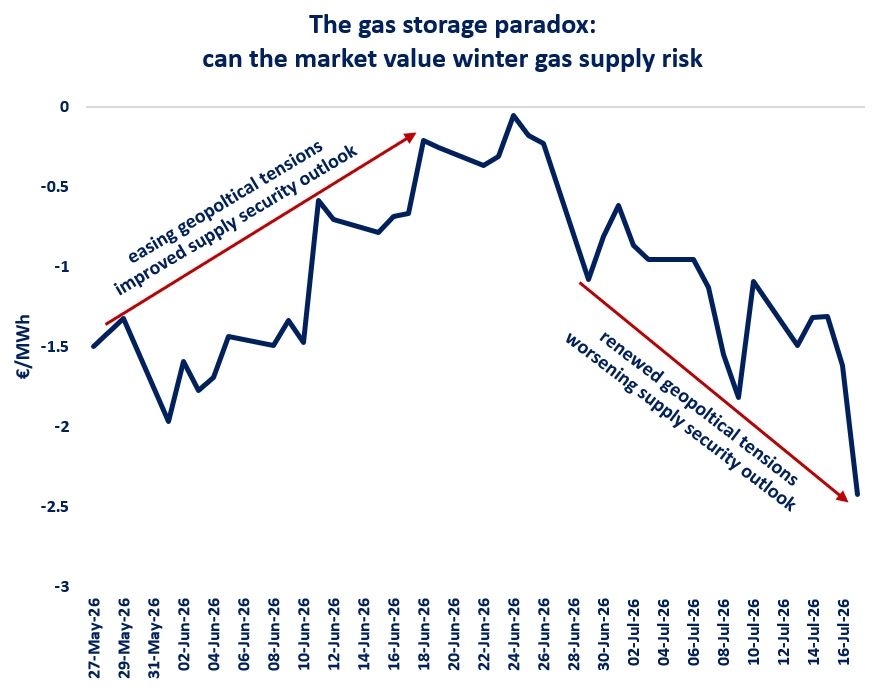
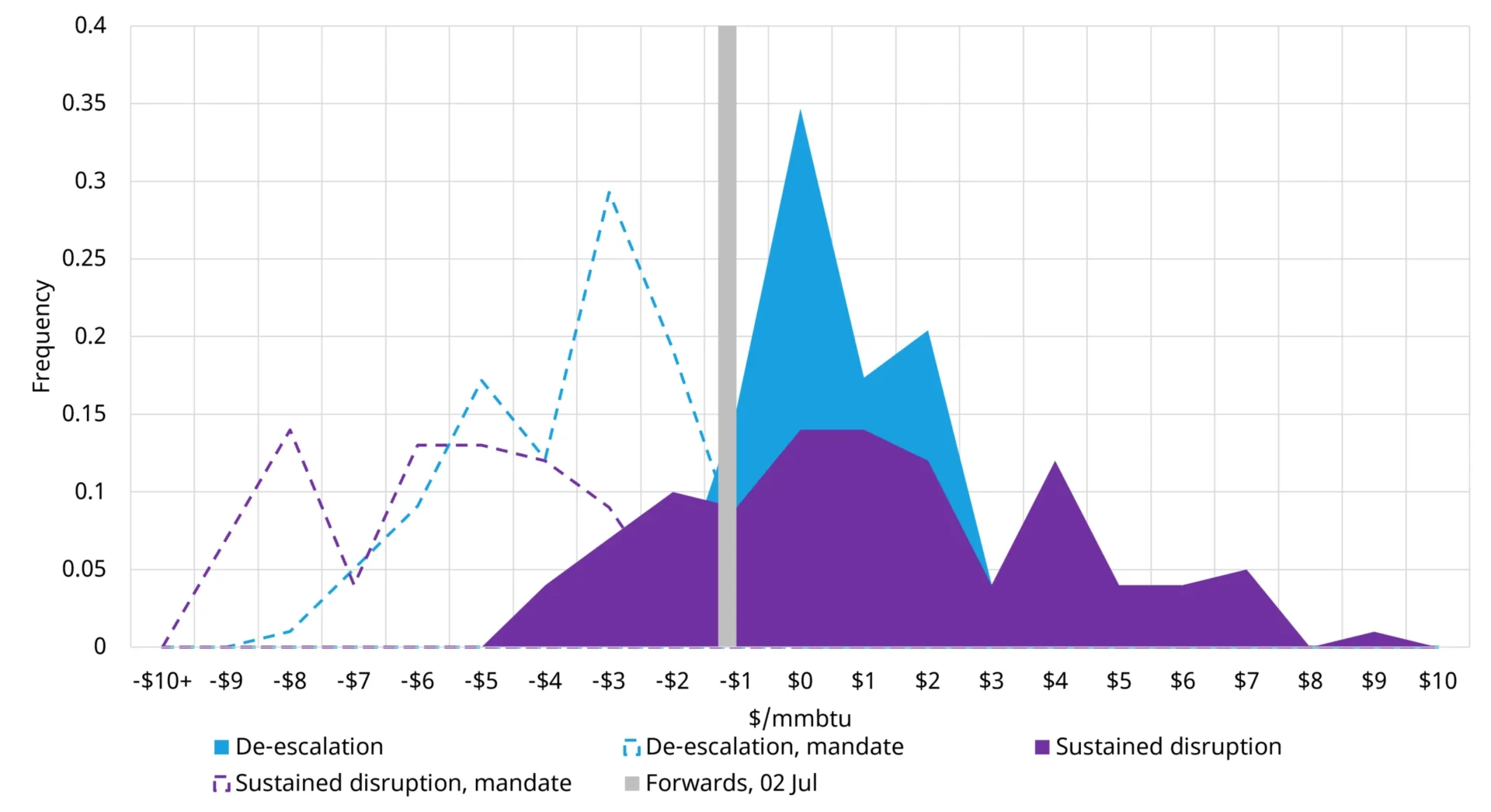
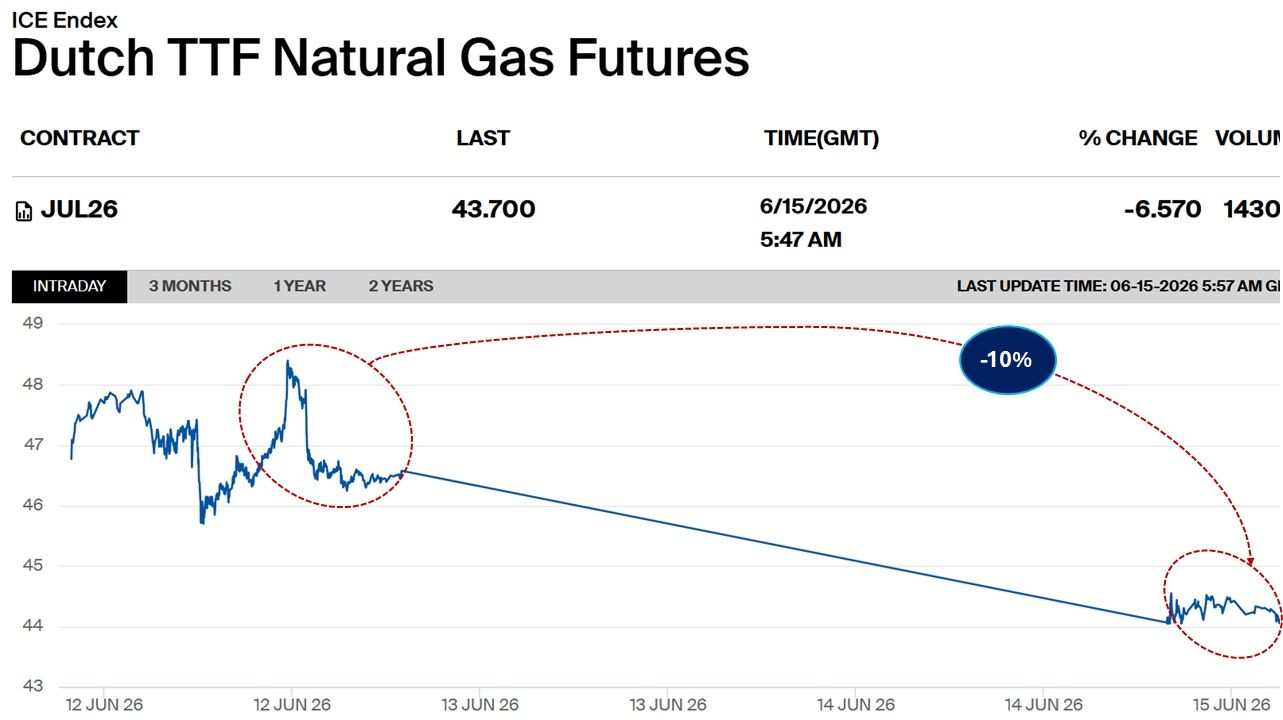
The European gas storage paradox: seasonal spreads on TTF collapsed to minus €2.4/MWh last Friday, their second-lowest point since the start of the Hormuz crisis. This once again highlights why the gas storage paradox is a key issue for ensuring gas supply security.
Intra-annual seasonal spreads are essentially the difference between winter contract prices and summer spot prices. A positive seasonal spread provides a commercial incentive for market players to put more gas into storage during the summer and prepare for winter, when gas demand is naturally higher.
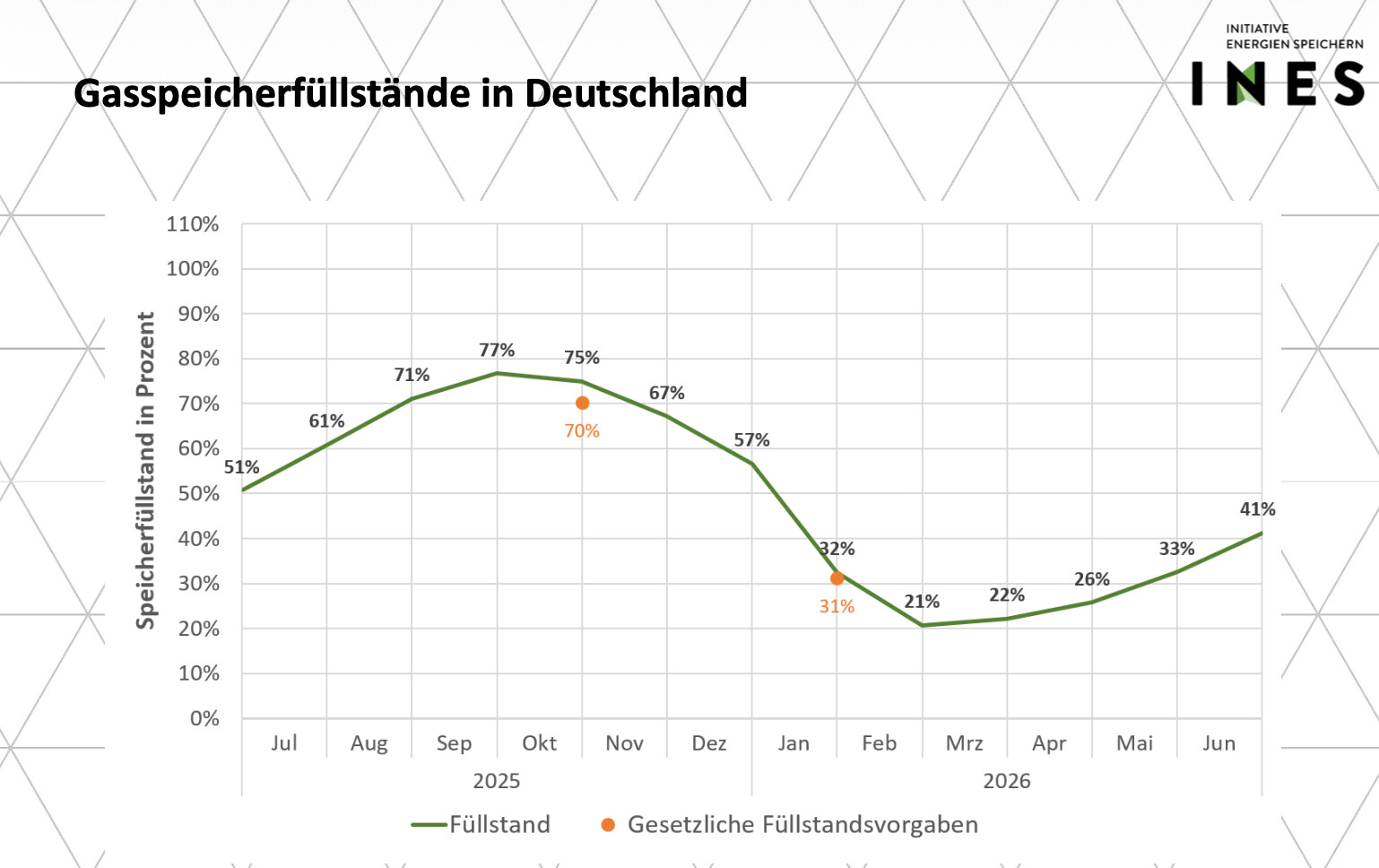
European seasonal spreads have been negative since the start of the injection season, trading at minus €1.3/MWh since the start of April. This is, of course, reducing the commercial incentive for storage injections, which are down by 17% year on year, and further exacerbating the EU’s five-year storage deficit.
So, what is driving these negative seasonal spreads?
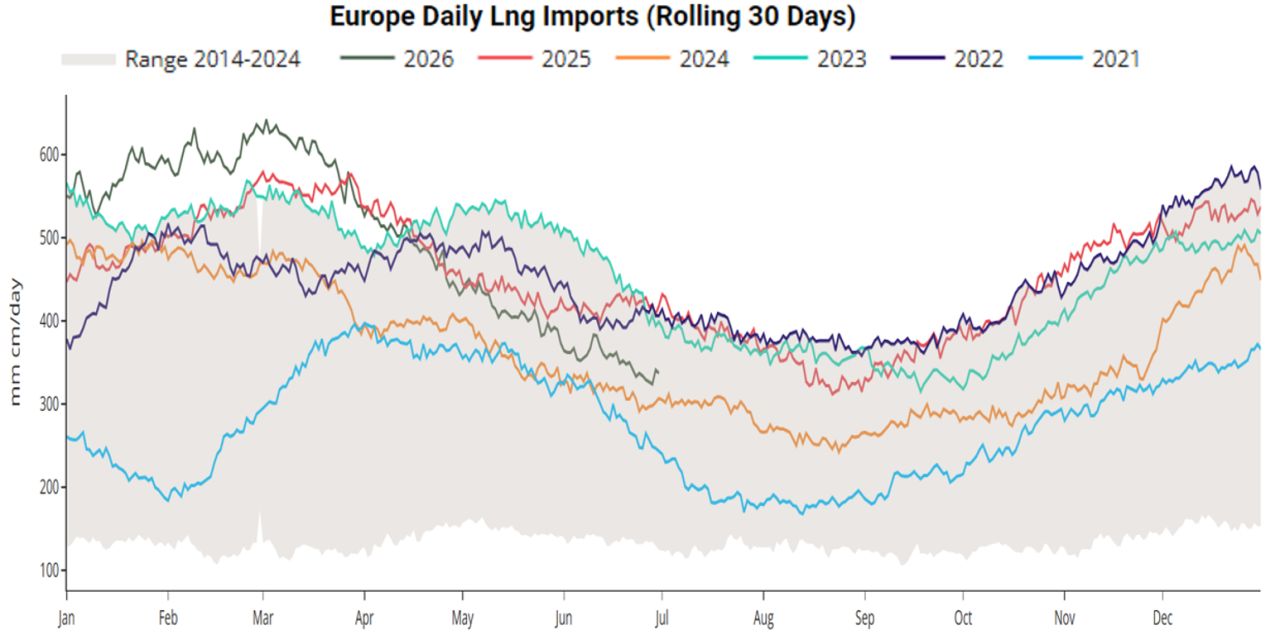
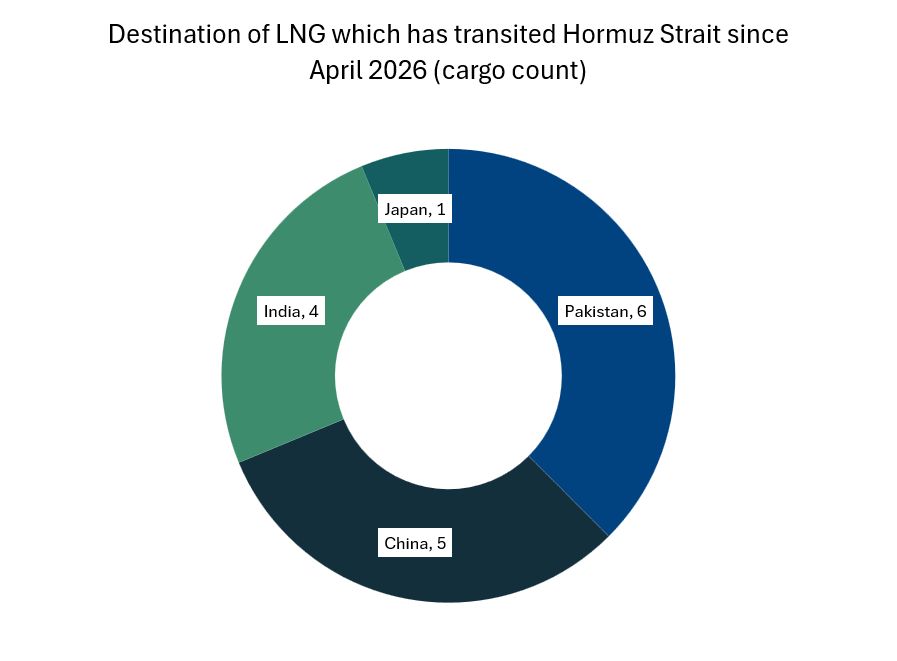
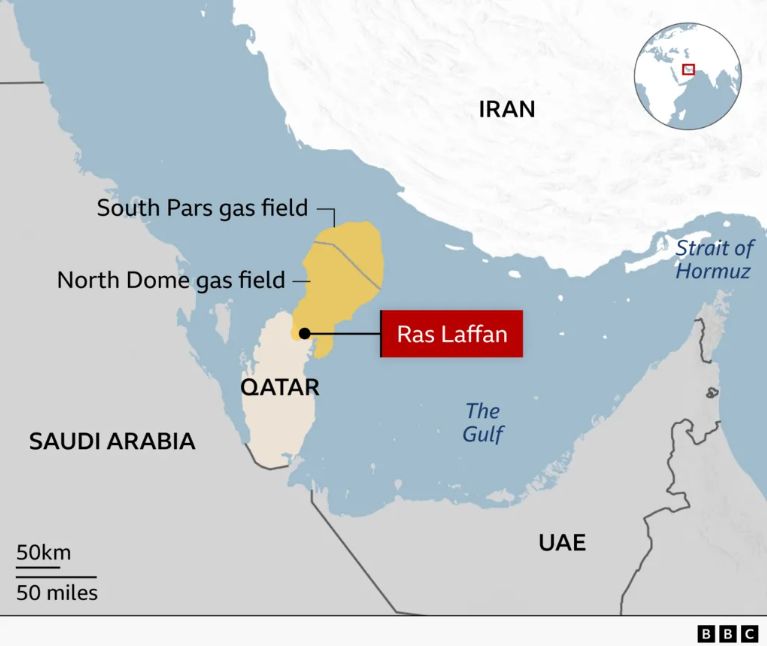
The Hormuz LNG supply disruption tightened the summer market and is having a more direct impact on summer and spot contracts. The less liquid winter contracts are naturally less responsive to near-term market conditions.
Second, a large majority of market players might still expect the Hormuz disruption to be resolved ahead of the winter season, which would naturally ease market conditions.
The real paradox lies in the movement of seasonal spreads.
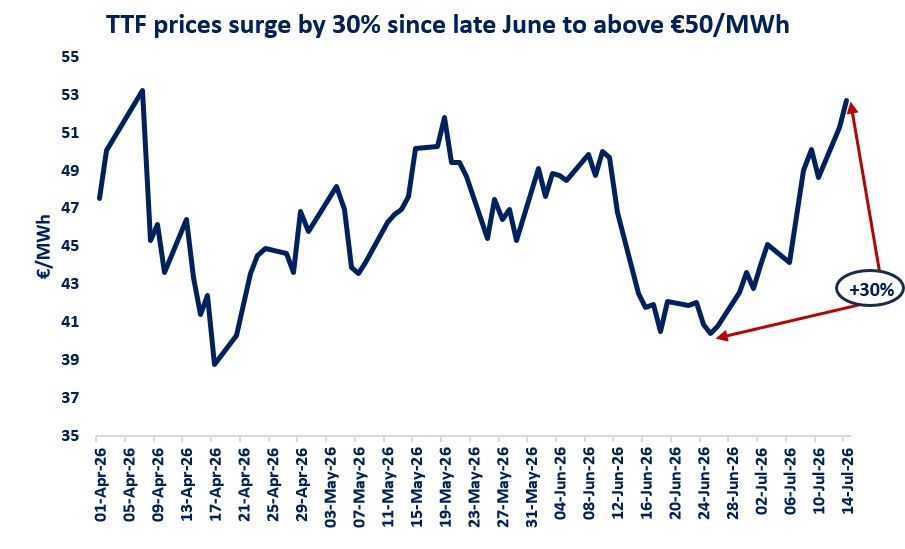
The seasonal spread on TTF was recovering throughout June, when geopolitical tensions eased in the Middle East, and actually reached almost positive territory after the signing of the Islamabad Memorandum. Easing geopolitical tensions were weighing on summer gas prices amid expectations that LNG supply would improve.
This supported a temporary recovery in seasonal spreads at a time when the winter supply security outlook was improving and, hence, there was actually less reason to inject more gas into storage.
In contrast, seasonal spreads started to collapse into deeply negative territory at the end of June.
And this is happening at a time when renewed geopolitical tensions in the Middle East are deteriorating the gas supply security outlook for this winter. Despite this, the market is essentially reducing the commercial incentive to inject gas into storage and prepare for winter.
In the short term, the storage paradox can lead to suboptimal fill levels. In the longer term, it can lead to the closure of underground storage facilities in Europe. This is why the issue should not be overlooked.
What is your view? How will Europe prepare for this winter? How can the gas storage paradox be solved in the long term?
Source: Greg Molnár, LinkedIn, July 2026