Despite the war and disruption, LNG cargoes have continued to move through Hormuz, Asian buyers have continued receiving cargoes, and the market is increasingly expecting a return to normal LNG production and export levels from Qatar.
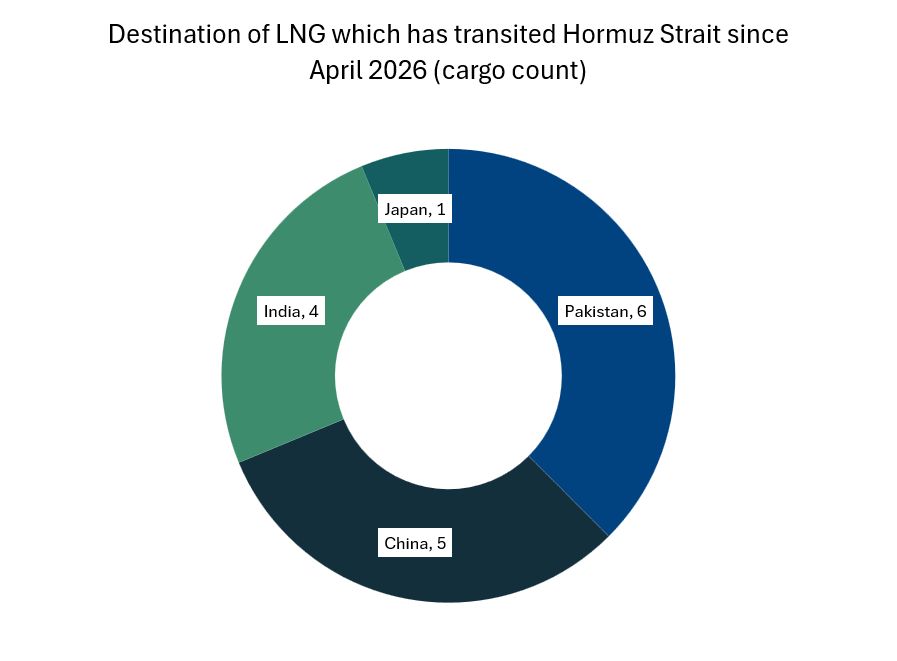
Since the start of the war, 16 laden LNG transits have been observed through the Strait of Hormuz (all but two with AIS switched off). These cargoes have gone to Pakistan, China, India and Japan.
These volumes draw from Ras Laffan storage, alongside limited output from trains operating at reduced capacity, and ADNOC’s Das Island LNG.
The first empty QatarEnergy vessel transited the strait towards Ras Laffan last week, with several more following over the weekend, indicating a perception that normalisation is imminent.
QatarEnergy has indicated that once safe passage through Hormuz is restored, output could ramp to approximately 50% within one month and approximately 80% within two months. The remaining capacity (the two trains damaged in March) is expected to take years to fully recover.
At 50% and 80%, this corresponds to roughly 39 MTPA and 62 MTPA respectively. Even after two months, more than 3% of global liquefaction capacity would still remain offline.
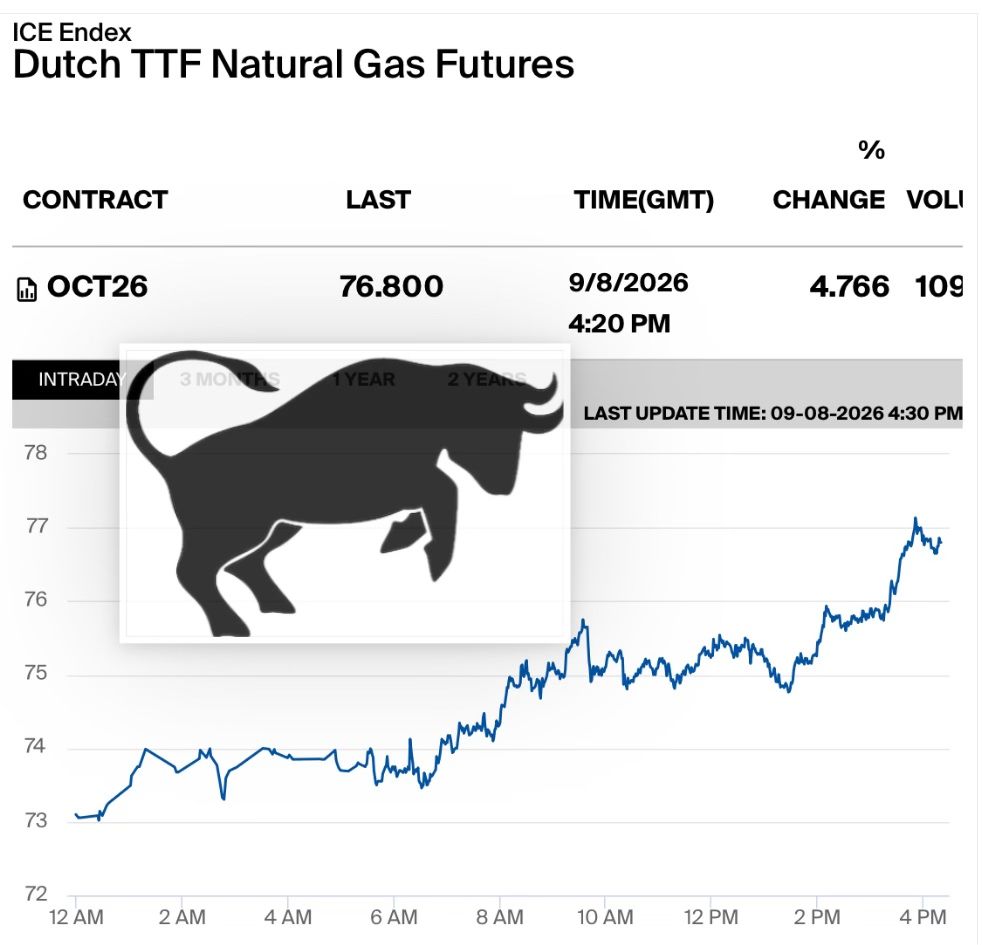
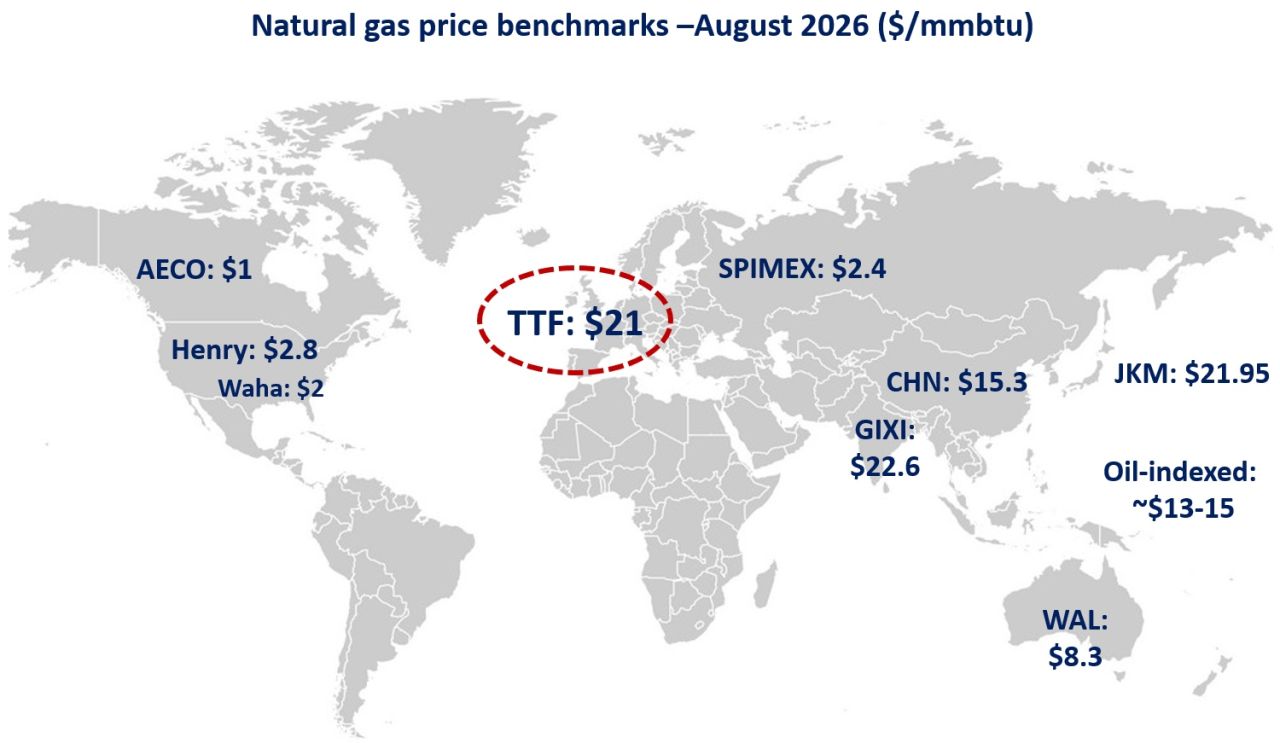
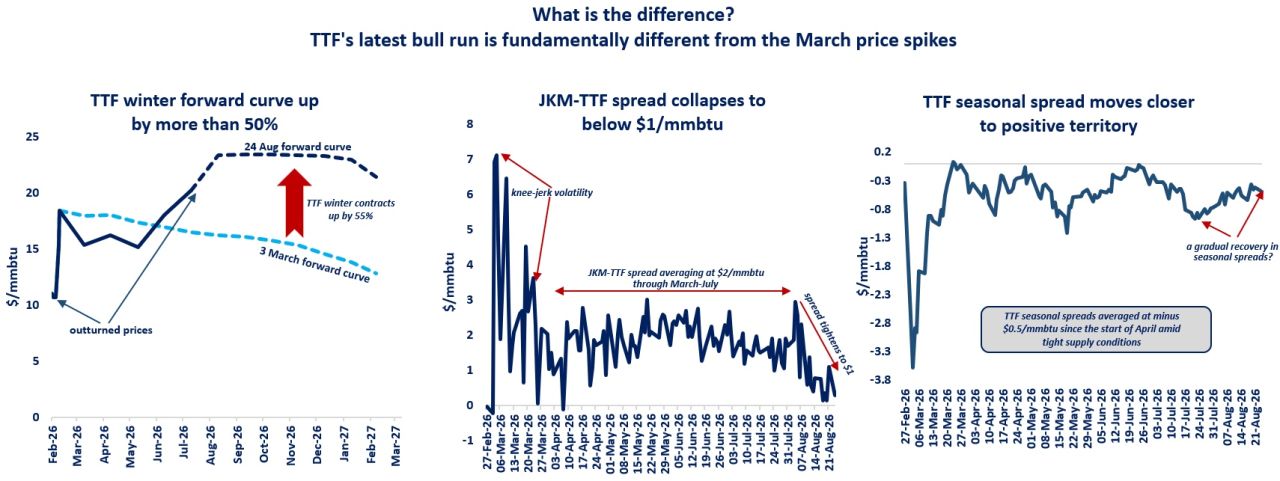
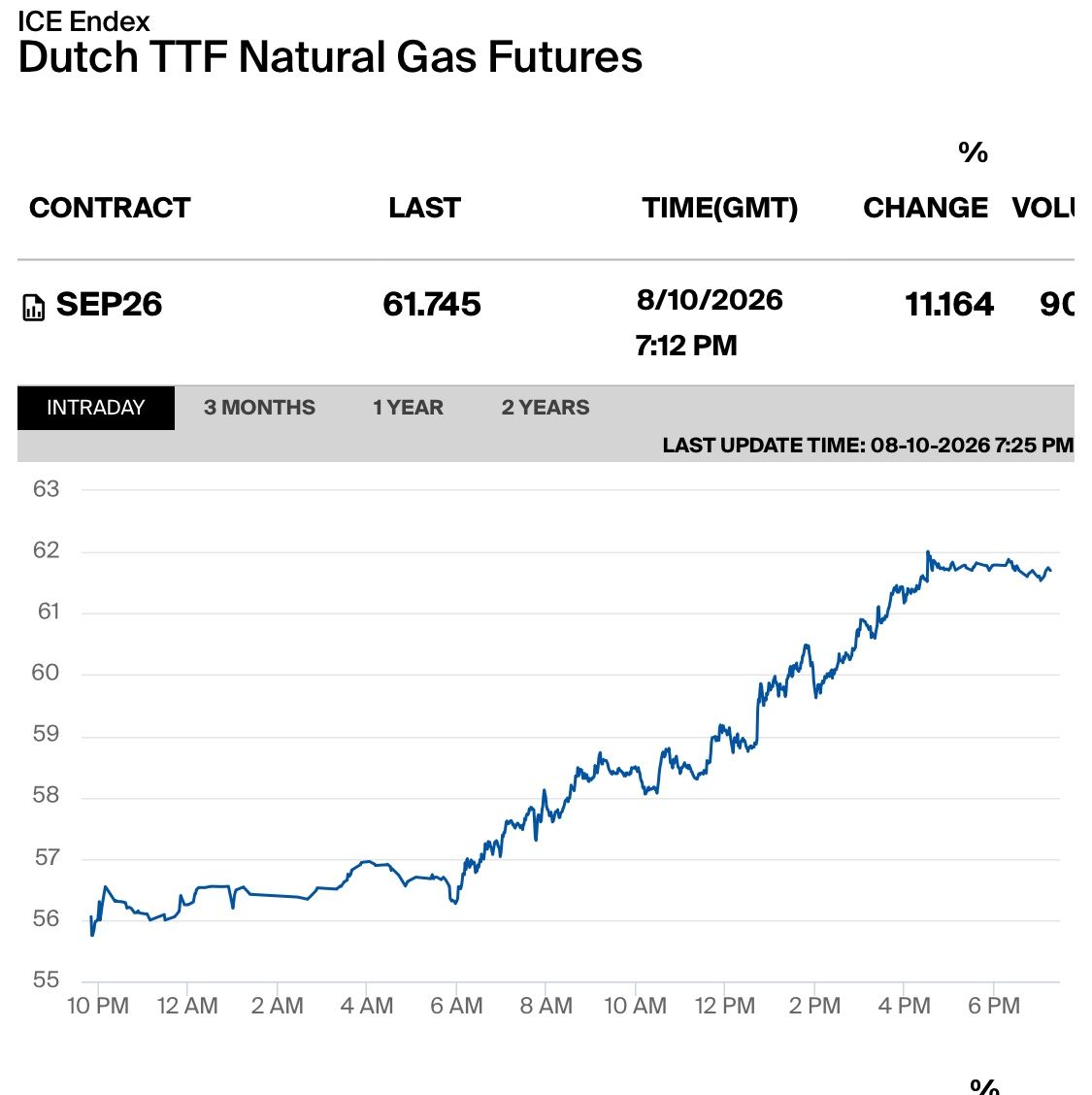
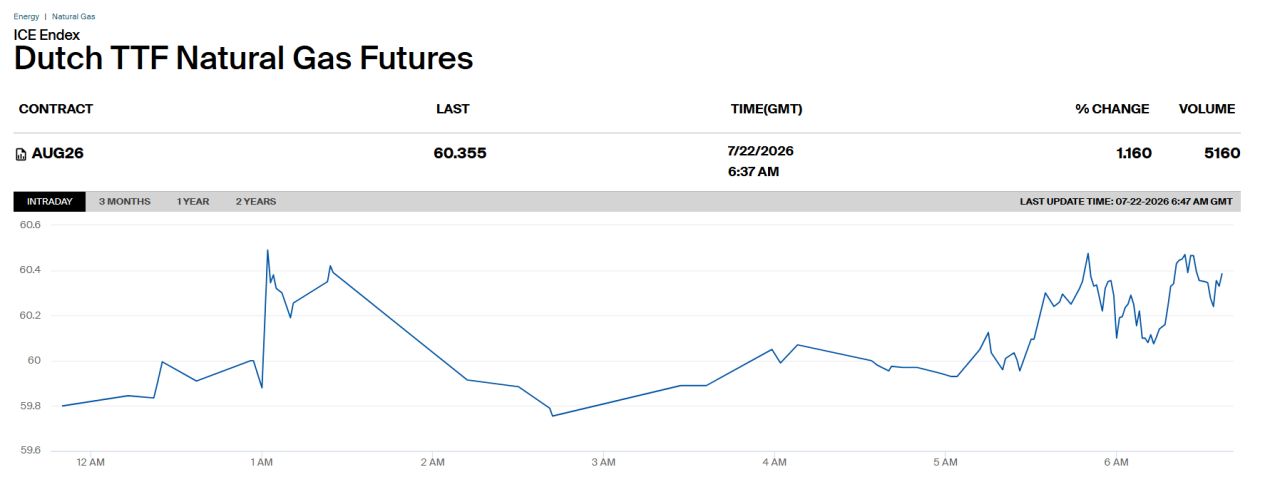
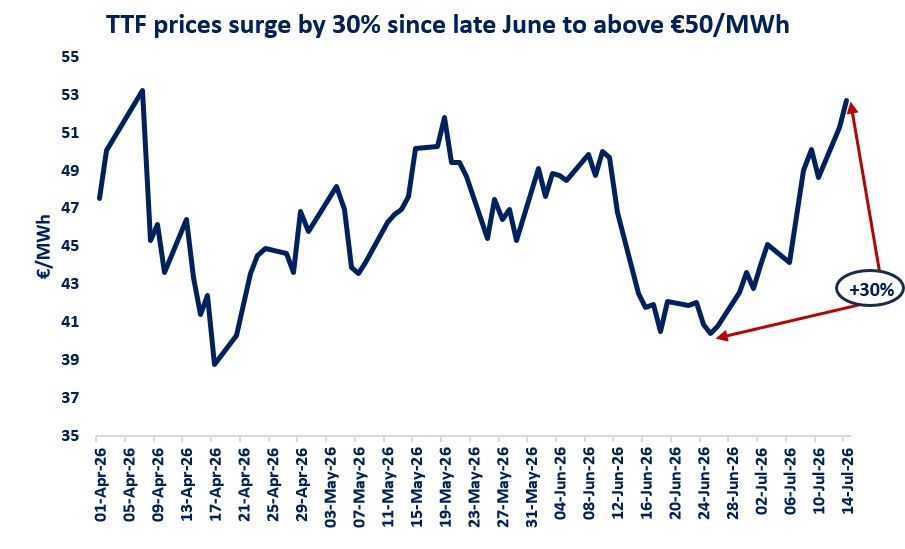
With a peace MoA reportedly signed last Thursday, gas prices have eased from recent highs. The inter-basin arbitrage has narrowed, and vessels are gradually repositioning towards the Middle East.
The key question now is how peace talks evolve over the next 60 days, and whether transit conditions are seen as sufficiently safe and predictable to support a restart in production.
Normalised flows, lower gas prices and a narrower inter-basin arbitrage would likely return the LNG shipping market to the oversupplied conditions seen prior to the war, further amplified by delays to the next wave of Qatari capacity.
Source: Ina Bjørkum Arneson & Fearnley LNG (LinkedIn)
Data sources: Vortexa and Bloomberg