Qatar LNG exports could begin recovering in the coming weeks as shipping activity through the Strait of Hormuz resumes. Writing on recent developments in the Gulf, Francesco Sassi notes that Qatar is seeking to restore production and exports at Ras Laffan, although significant uncertainties remain regarding the pace and extent of any recovery.
During the war, Iran halted attacks on Qatar’s Ras Laffan complex in exchange for Doha stopping LNG production and exports.
Now, Qatar wants to swiftly resume production.
The tentative framework agreement between the US and Iran to end the war in which the two countries have been entangled for the last four months is keeping all energy producers in the Persian Gulf remarkably busy.
Qatar, one of the world’s largest LNG exporters, is reportedly seeking to swiftly bring at least half of Ras Laffan’s current operational capacity back online within a month of the reopening of the Strait of Hormuz.
In the subsequent month, QatarEnergy intends to ramp up production to nearly 80% of the nominal capacity of the plant.
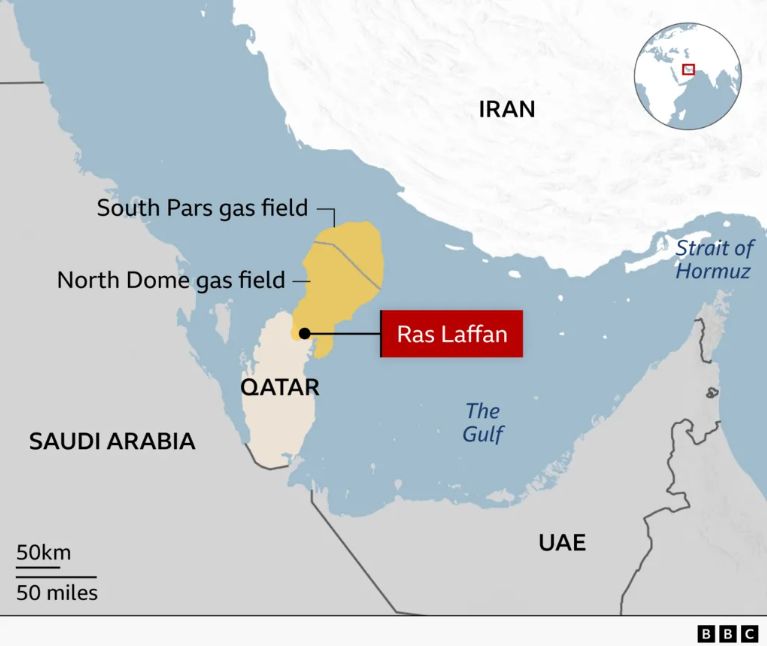
Ras Laffan is an enormous complex—the largest of its kind in the world—boasting the capacity to produce 77 mt/y. This means that 80% of the plant’s production equals slightly above 60mt/y of LNG capacity exportable by the mid-to-late part of August.
The plant relies on gas reserves held in the North Dome gas field that Qatar shares with Iran, which calls the same asset South Pars.
In the first weeks of the war, the plant was struck twice by Iranian missiles, critically damaging two LNG trains. The repairs to this pivotal infrastructure will take years, preventing Qatar from fully resuming its pre-war LNG production and export volumes.
However, another highly compelling variable emerges regarding the scenario of Qatar fully resuming LNG production. According to an article published by The Washington Post, regional security officers have reported a secret pact struck between Iran and Qatar to protect Doha’s crown jewel, Ras Laffan, from further strikes.
According to the newspaper, Iran refrained from launching subsequent strikes against Ras Laffan or damaging other production trains and critical infrastructure, on the condition that Qatar would halt its total gas production.
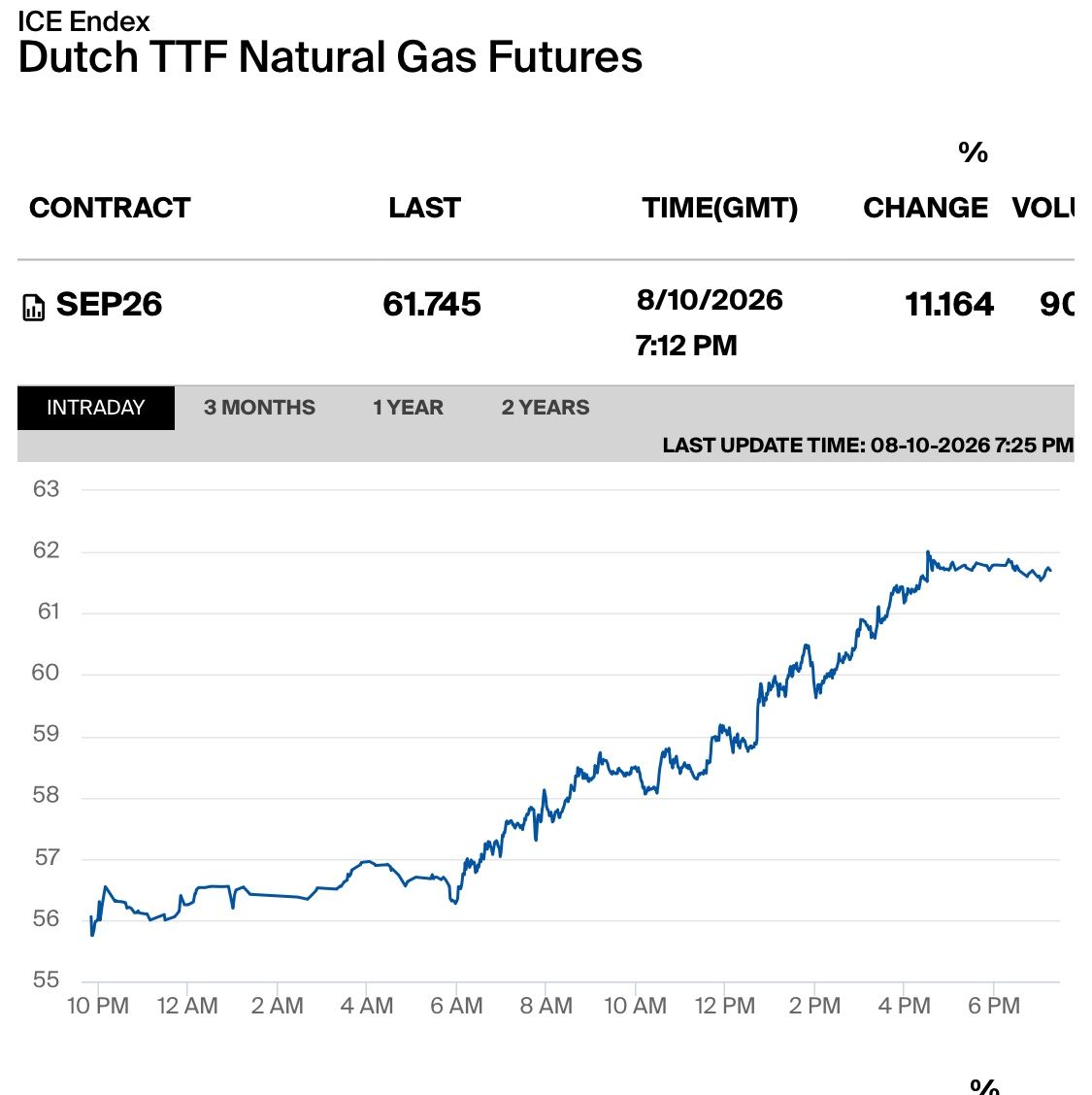
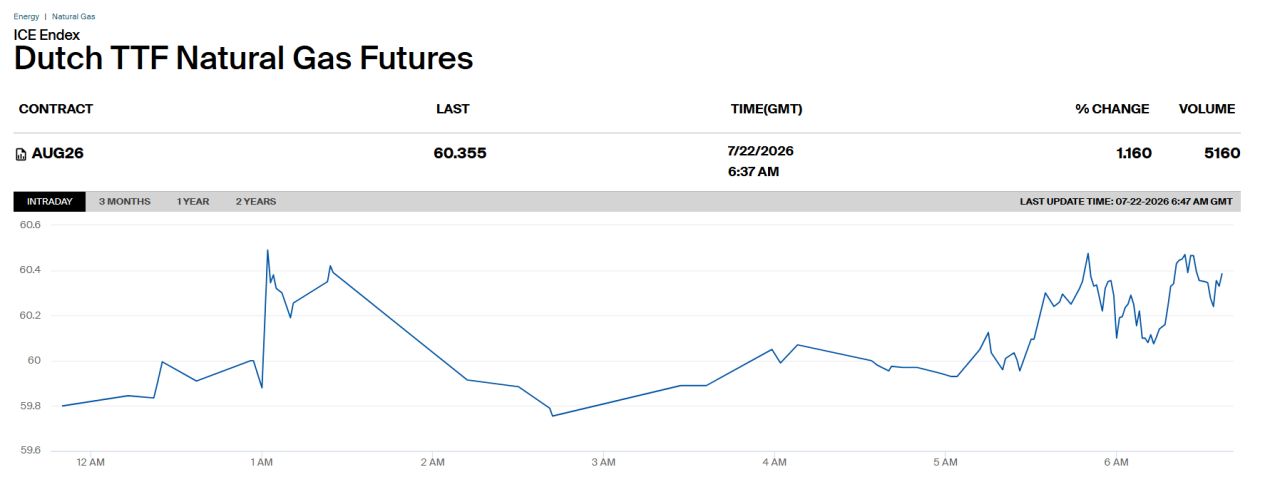
This orchestrated shutdown successfully sent energy prices soaring—the primary strategic objective of Tehran—thereby applying immense economic pressure on the United States and Israel to shorten the war.
Ultimately, Iran’s objective was achieved, prompting the Trump administration to rush into an agreement that apparently releases frozen Iranian funds held by the US for years—capital that could now help restore the country’s economy.
Qatar has publicly denied entering into an agreement with Iran to halt gas production in exchange for immunity from missile strikes, describing the leaks as a calculated attempt to damage its international reputation.
However, what remains indisputable is that the latest war has demonstrated the unprecedented leverage Iran now holds over all Gulf nations, including their energy production and exports through Hormuz and through its drone and missile capabilities.
Source: Commentary by Francesco Sassi, originally published on LinkedIn, June 16, 2026.