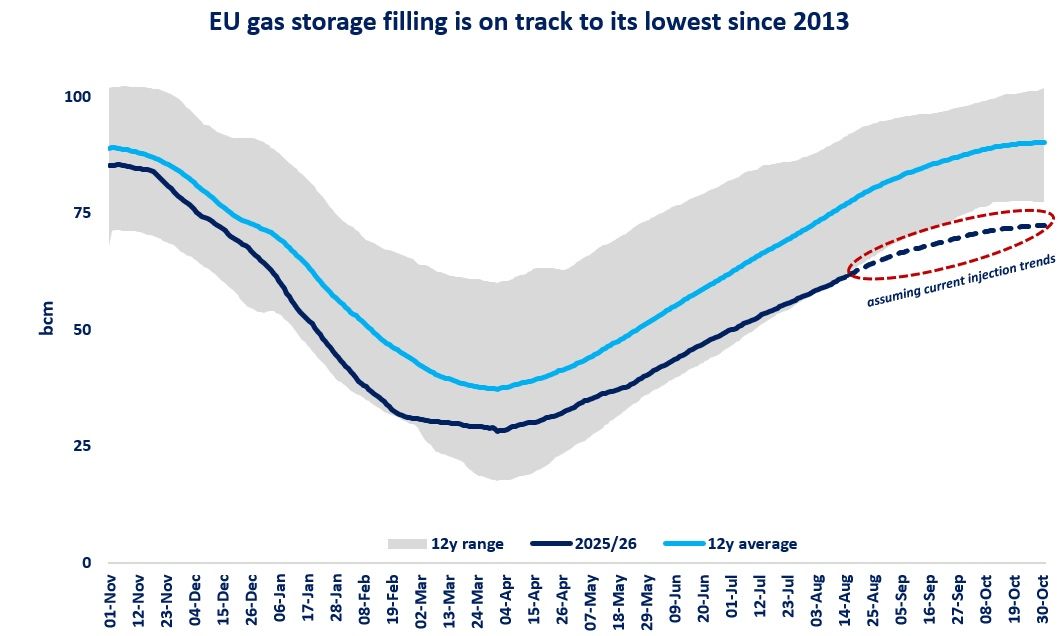
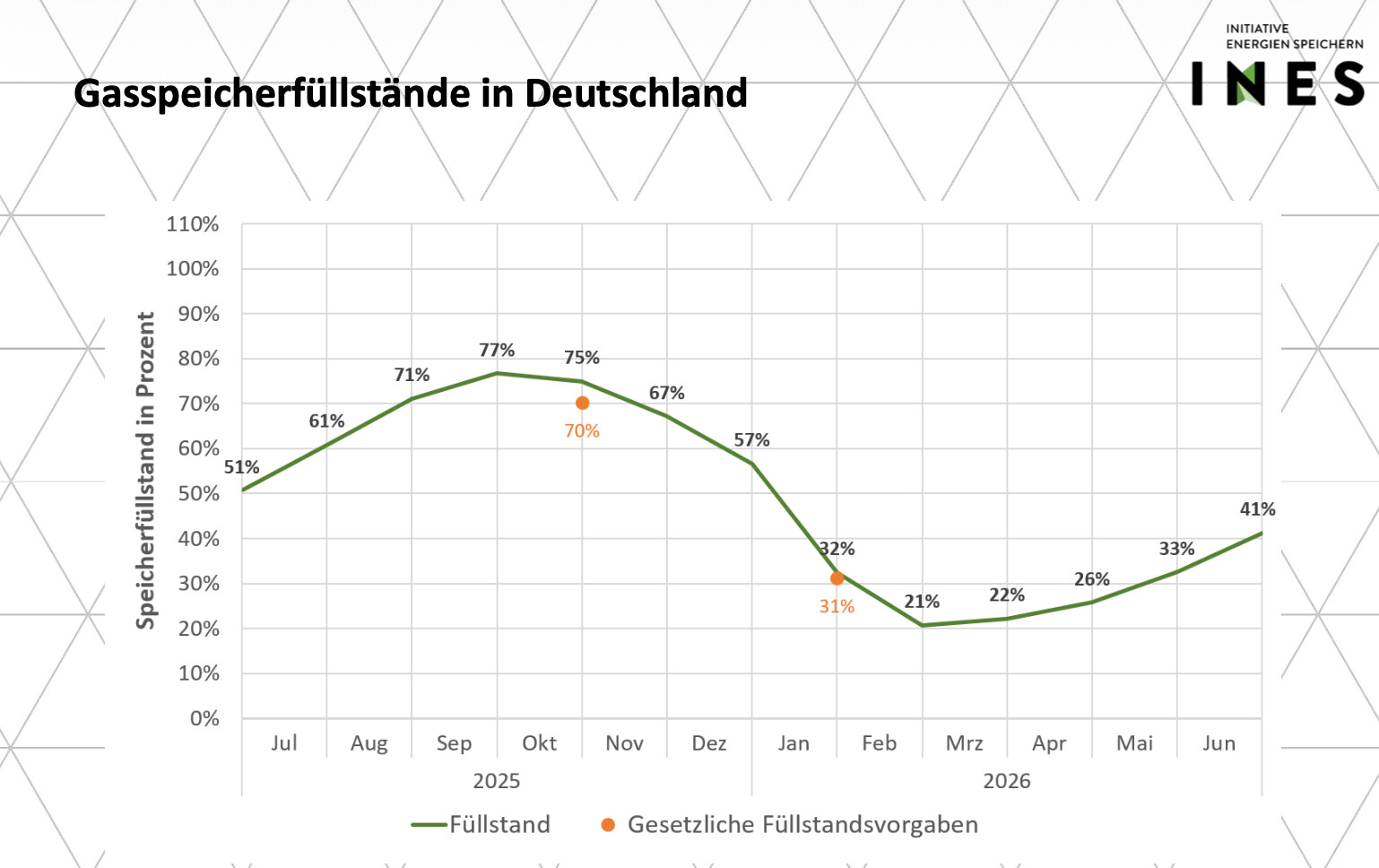
European gas storage is coming under increasing pressure as weak market incentives discourage injections despite the region’s ambitious storage targets ahead of winter. According to analysis by Timera Energy, storage filling rates are lagging behind both last year’s pace and the five-year average, raising concerns that inventories could reach only 70–75% by the start of winter, below the EU’s 80% storage objective.
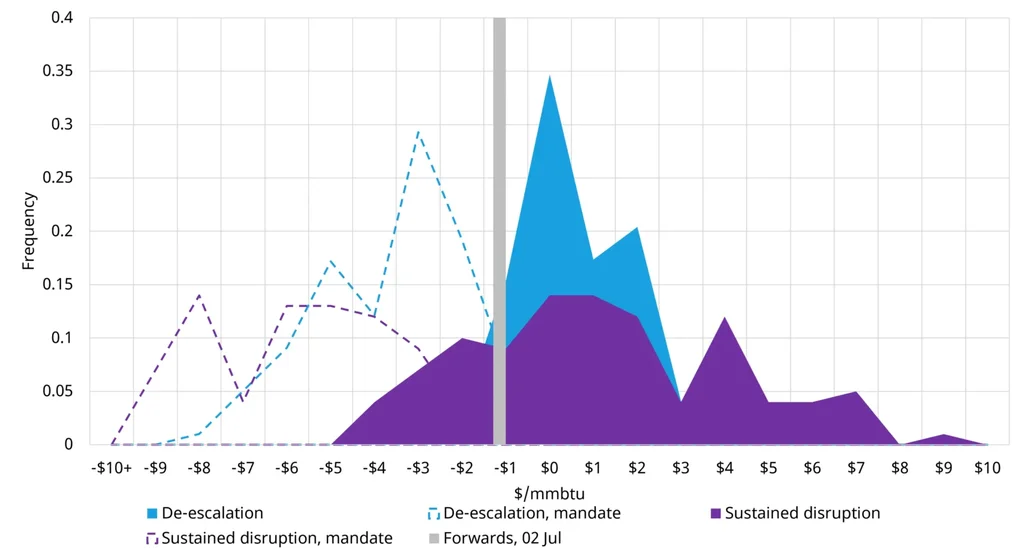
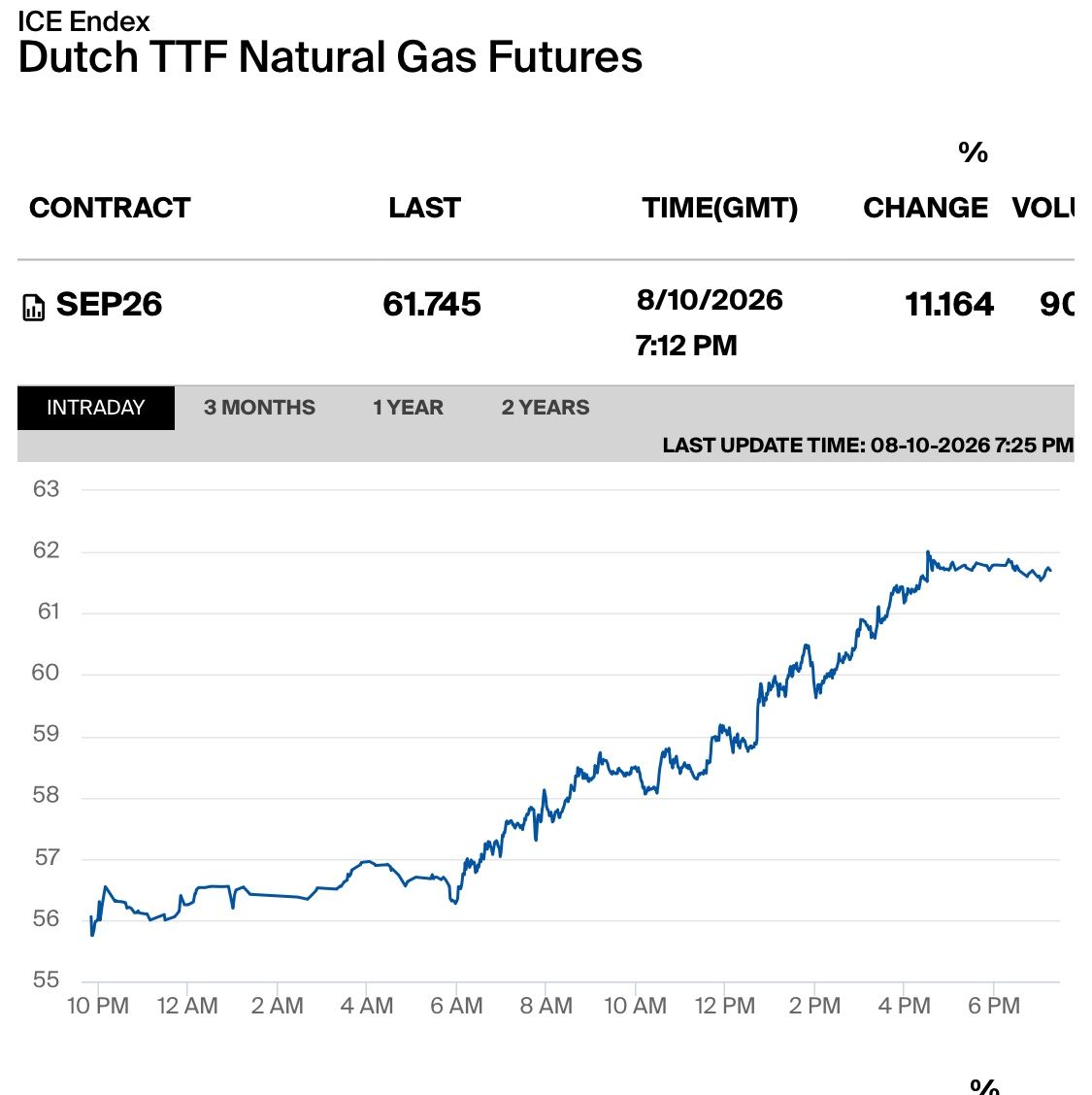
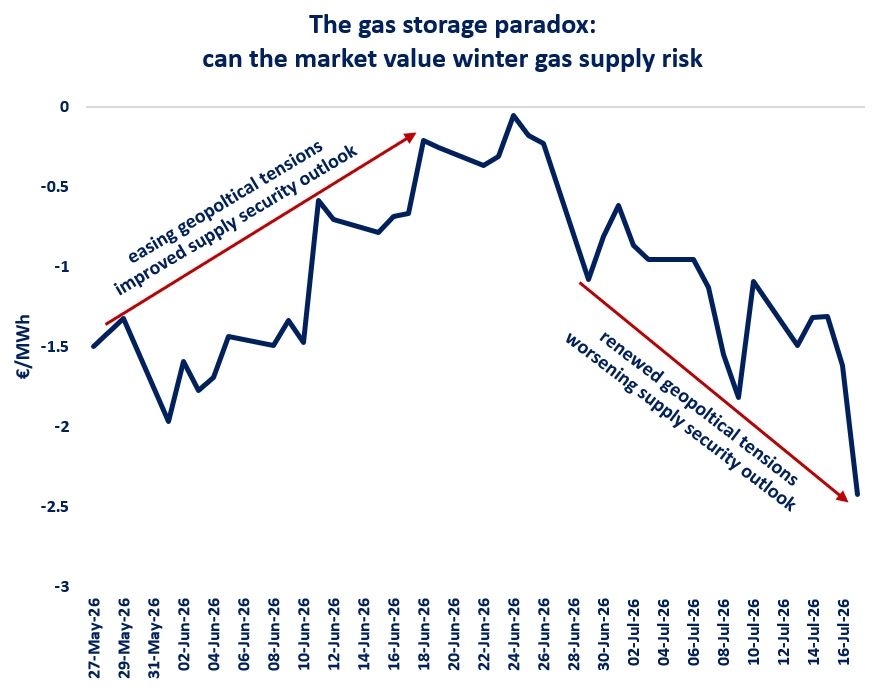
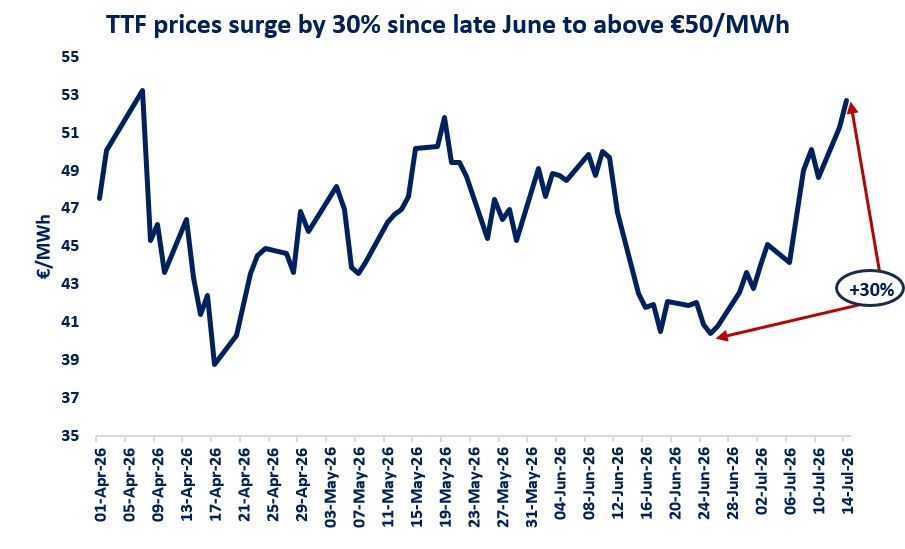
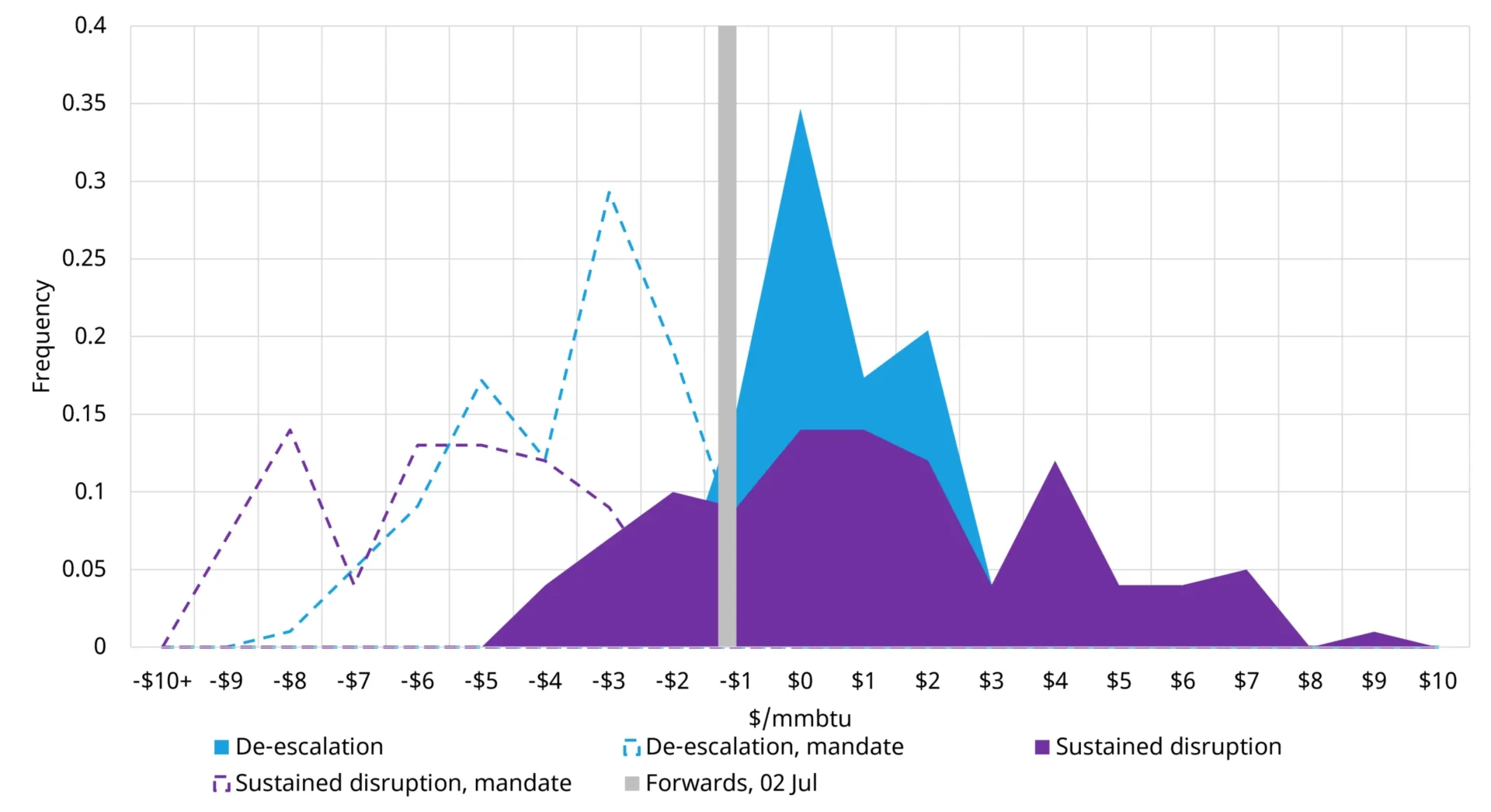
At the heart of the issue is the current shape of the TTF forward curve. Storage operators typically inject gas during the summer and withdraw it during the winter when prices are higher. However, the market is currently in backwardation, with winter prices trading below summer prices. Without a positive seasonal price spread, there is little commercial incentive to inject gas into storage, even as European policymakers continue to prioritise security of supply.
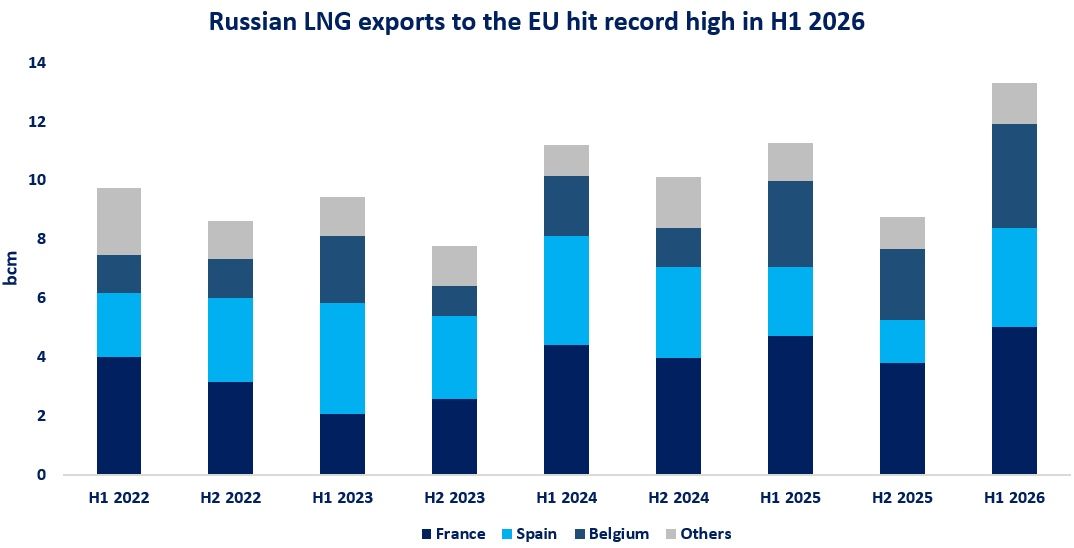
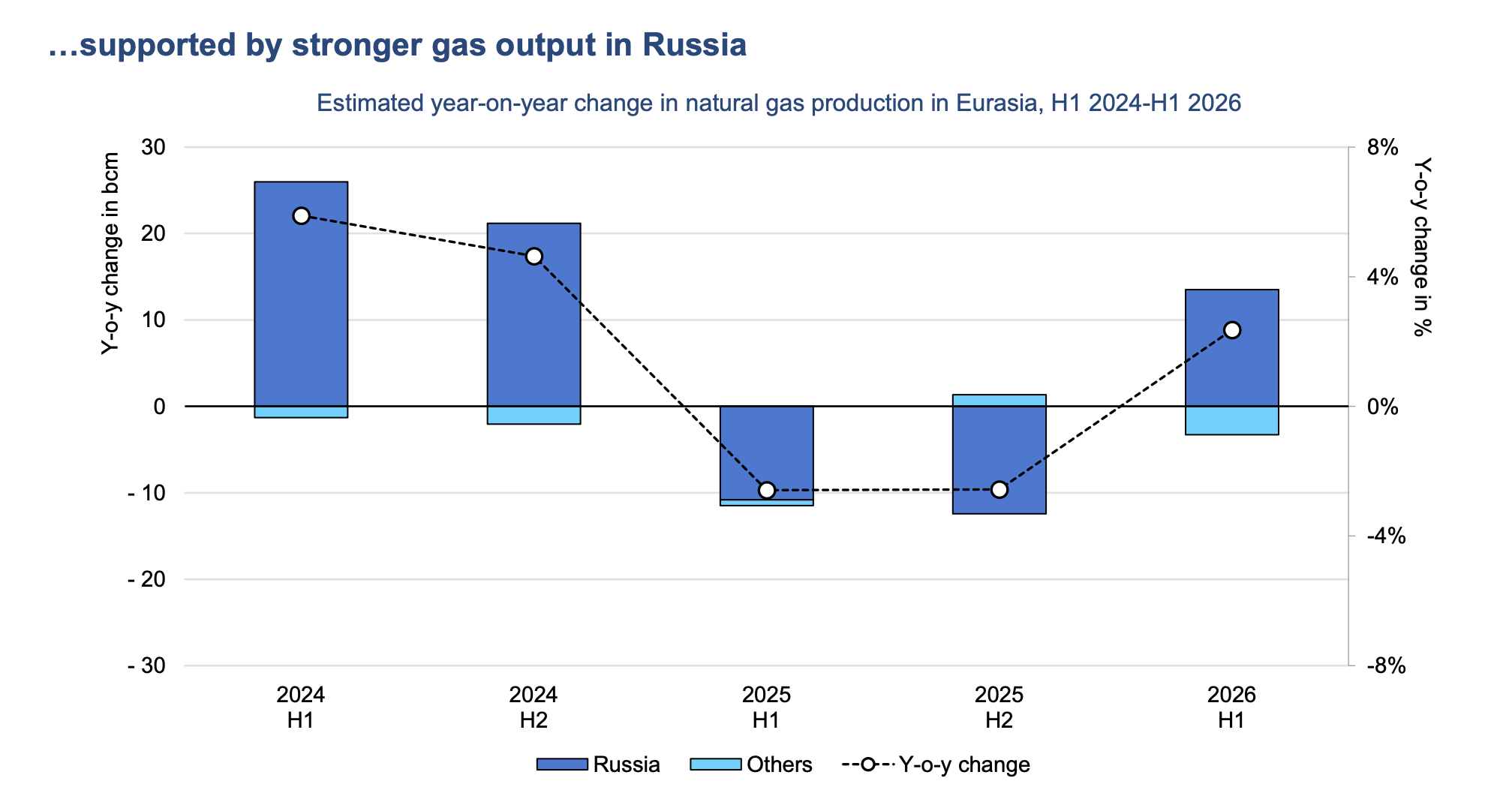
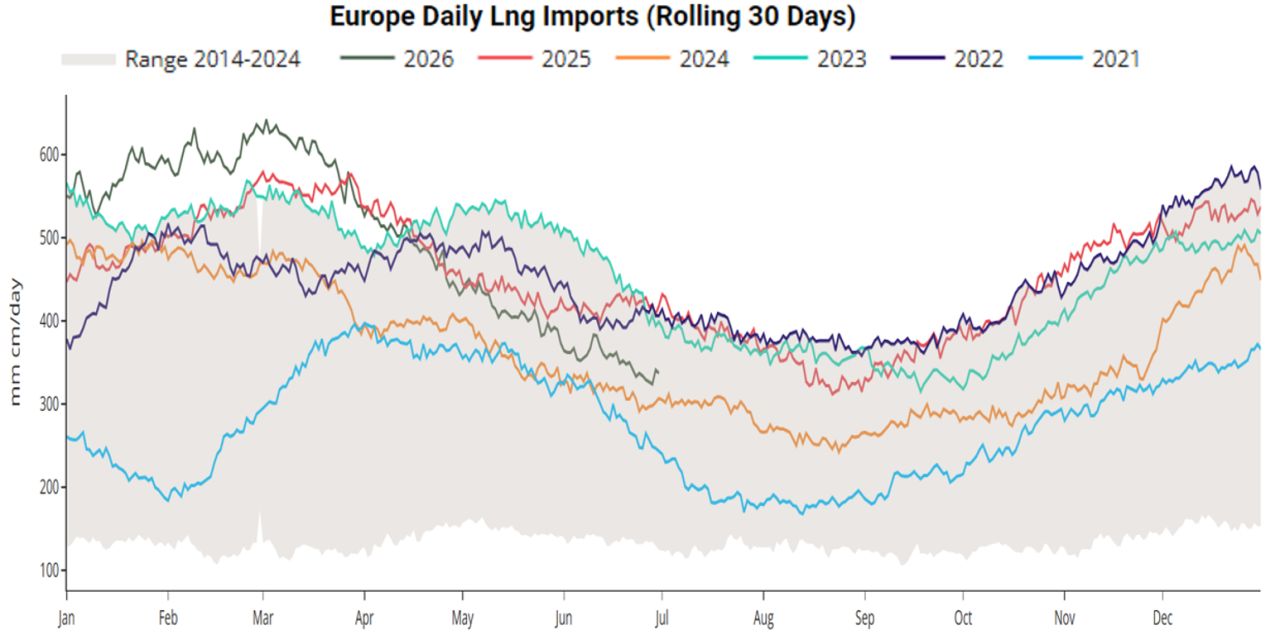
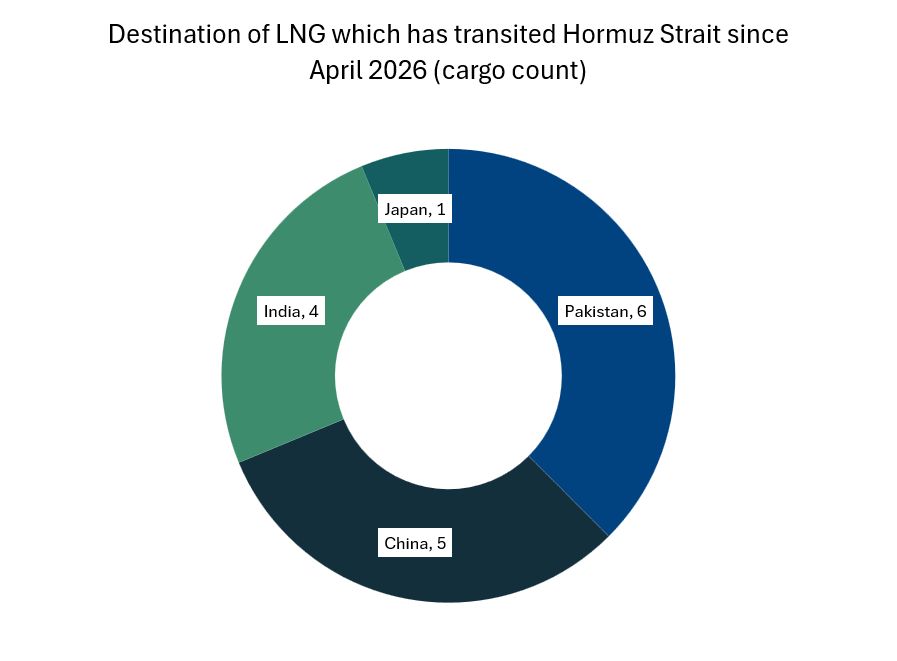
The analysis also identifies reduced Qatari LNG exports following recent disruption in the Middle East as another factor tightening the summer market. While expectations of additional LNG supply later this year have helped cap winter prices, the combination of weaker LNG availability and unfavourable storage economics is limiting injections across Europe. Under both a de-escalation scenario and a more prolonged disruption scenario, storage levels are projected to remain below the 80% target by the start of winter.
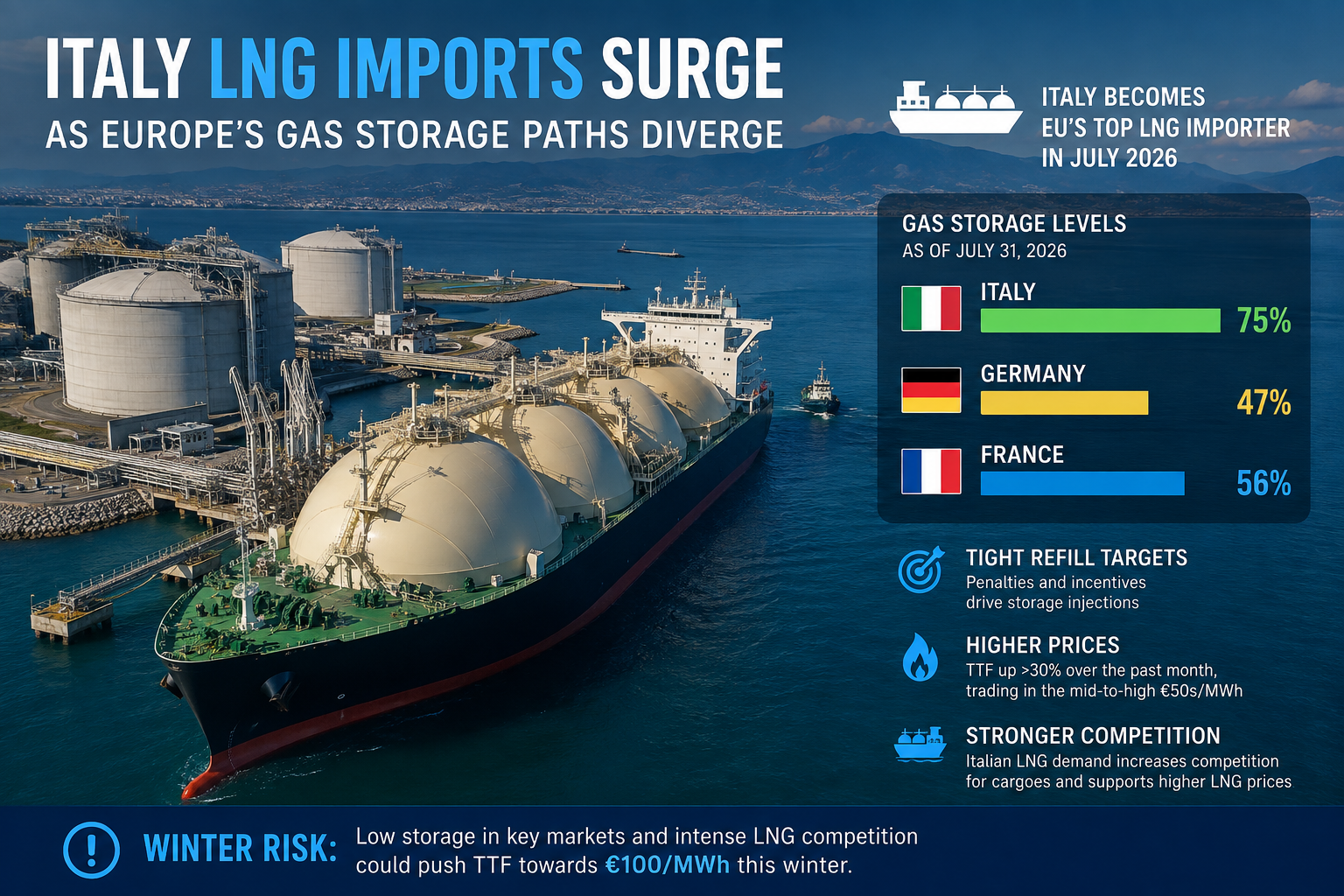
Should disruption persist into early 2027, the market implications could become more significant. Lower storage inventories combined with colder-than-normal weather would force Europe to compete more aggressively for flexible LNG cargoes, placing upward pressure on both European gas prices and global LNG benchmarks. The timing of any recovery in Qatari exports therefore remains a critical variable for traders, utilities and other market participants.
The analysis also highlights how the commercial value of gas storage is evolving. As backwardation reduces the attractiveness of traditional seasonal storage strategies, portfolio managers are placing greater emphasis on operational flexibility, destination optionality and the ability to respond quickly to changing market conditions. Should European authorities enforce storage targets more aggressively, mandated injections could increase summer LNG demand and support higher seasonal gas prices, even where market fundamentals alone would not justify additional storage activity.
Source: Timera Energy, European storage driving gas price curve (Briefing note, July 2026).