German energy policy decisions have repeatedly produced consequences extending far beyond the country’s borders, writes Geoffroy Hureau, Cedigaz
The title may sound provocative. But the underlying question deserves to be asked.
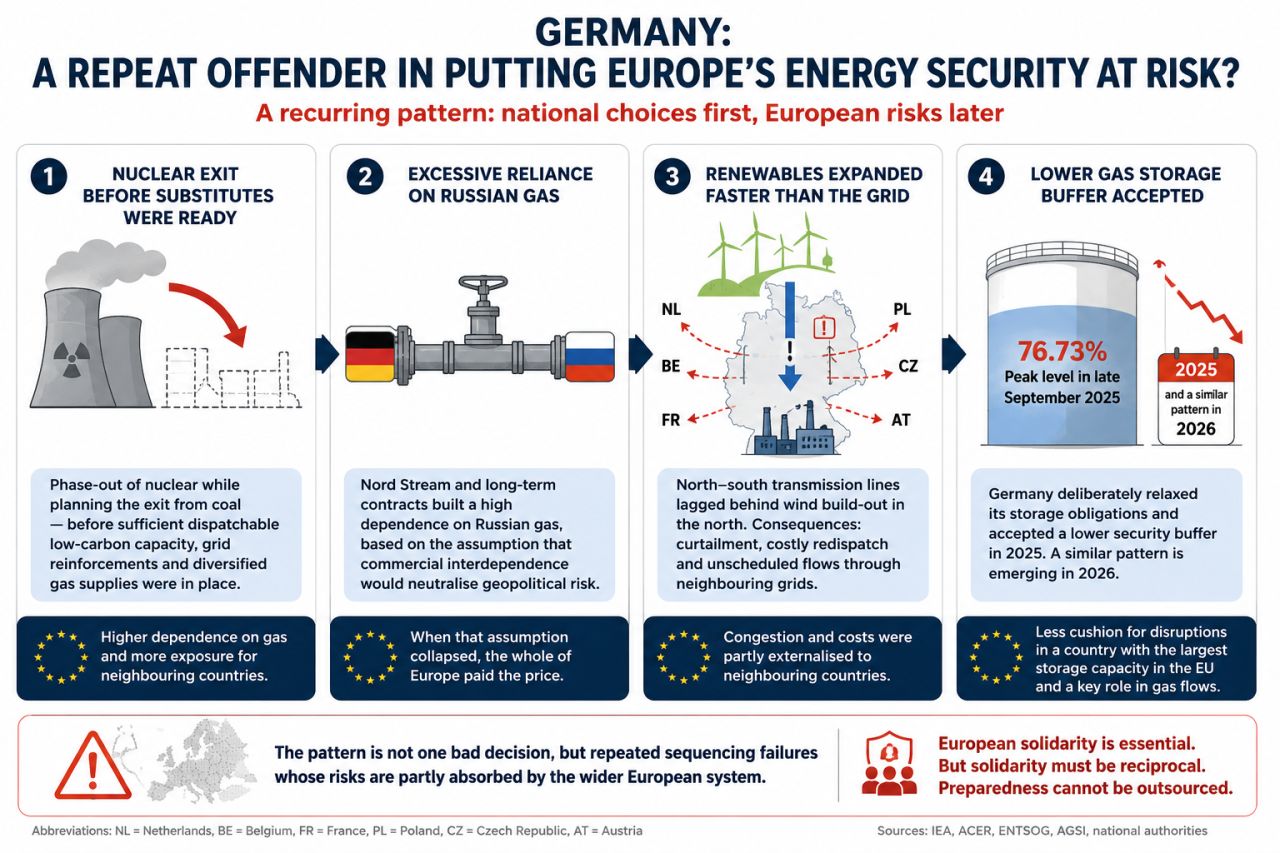
Over the past two decades, Germany has repeatedly made major national energy choices before putting in place the infrastructure and safeguards needed to absorb their consequences. In several cases, part of the resulting costs, constraints and security risks was then transferred to the wider European system.
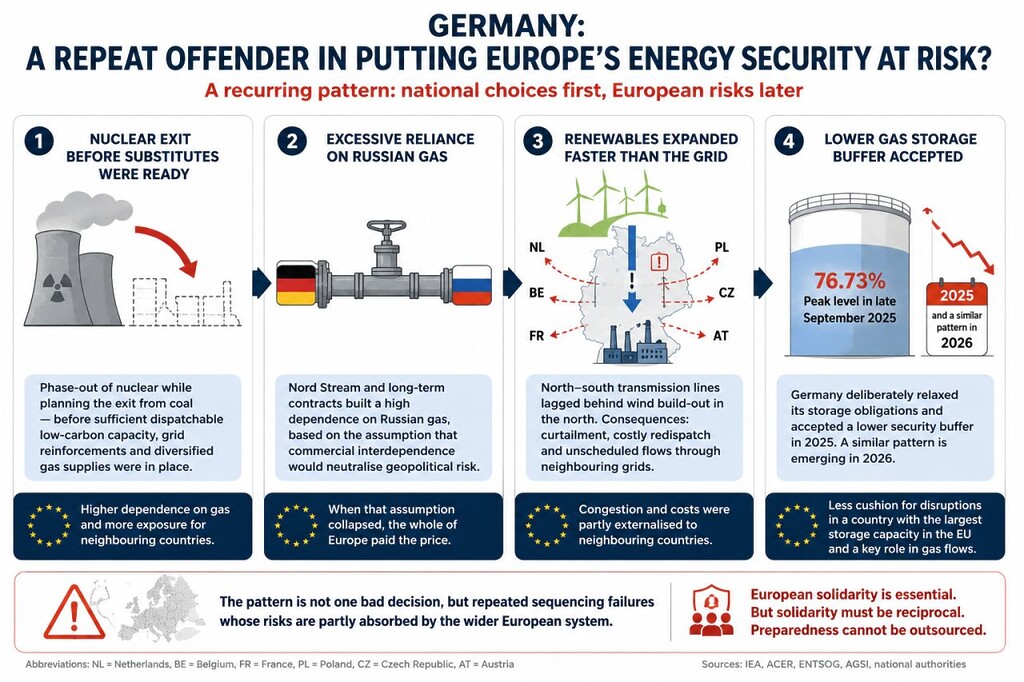
First came the decision to phase out nuclear power while simultaneously planning an exit from coal — before sufficient dispatchable low-carbon alternatives, grid capacity and diversified gas supplies were available.
Germany then built an excessive dependence on Russian gas, supported by Nord Stream and the assumption that commercial interdependence would neutralise geopolitical risk. When that assumption collapsed, the resulting energy shock was not confined to Germany. The whole of Europe paid the price.
The expansion of renewables followed a similar pattern. Large volumes of wind generation were developed in northern Germany while the north–south transmission lines required to deliver that electricity to industrial demand centres remained years behind schedule.
The consequences included renewable curtailment, costly redispatch and the displacement of part of Germany’s internal north–south congestion onto neighbouring grids — eastwards through Poland and the Czech Republic, and westwards through the Netherlands, Belgium and France.
Then came gas storage.
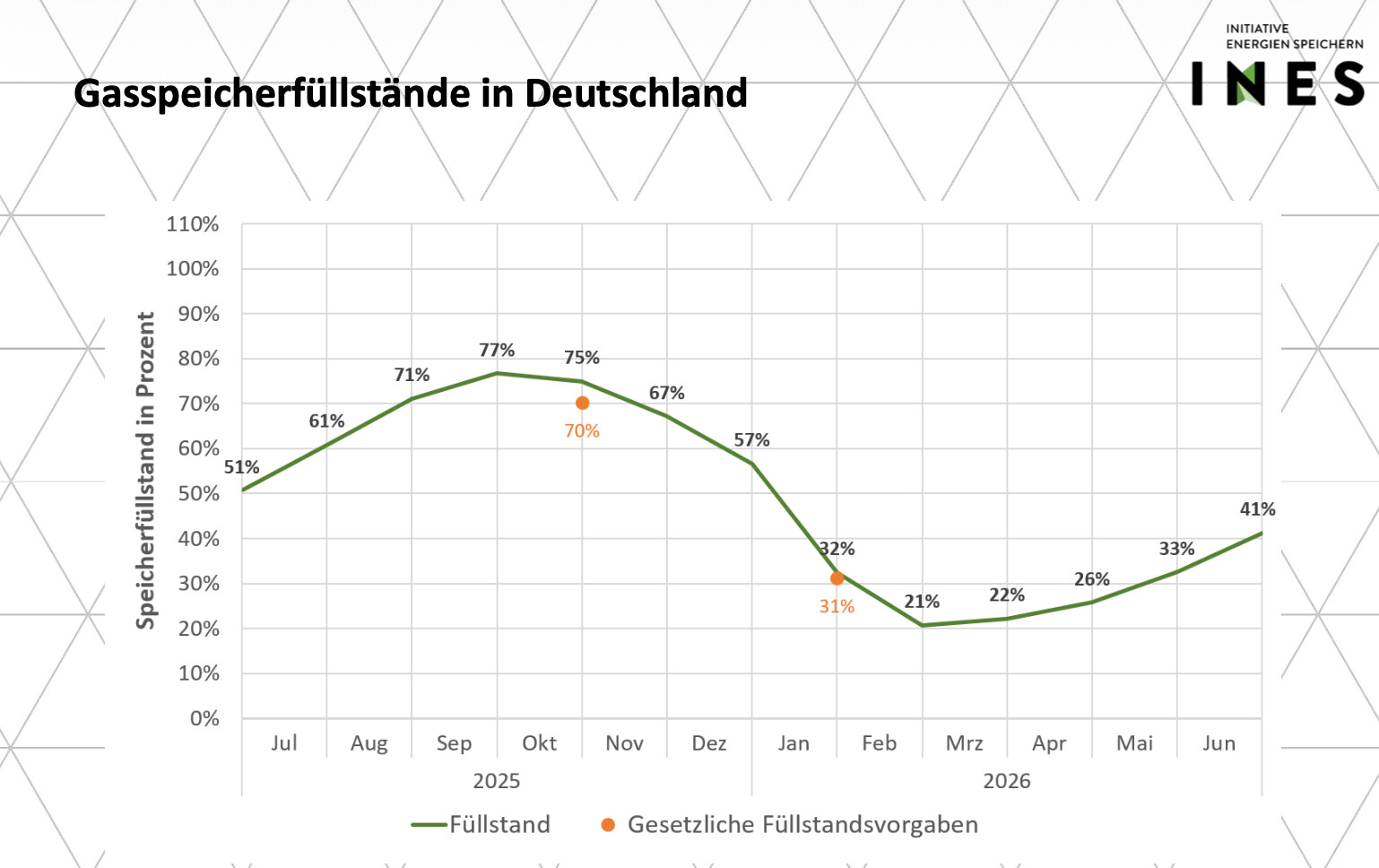
In 2025, Germany deliberately relaxed its storage obligations and accepted a lower security buffer. Its national storage level peaked at only 76.73% in late September.
This was not simply an unintended market outcome. It was a conscious policy choice made by the country with the largest storage capacity in the European Union and a central role in regional gas flows. A similar pattern is now emerging in 2026.
Germany is not solely responsible for Europe’s energy vulnerabilities.
But the recurring pattern is difficult to ignore:
National energy choices are implemented before the necessary infrastructure and safeguards are ready, while European integration is expected to absorb part of the resulting risk.
European solidarity is essential. But solidarity must be reciprocal. It cannot become a substitute for adequate national preparation — particularly when neighbouring countries had no influence over the decisions that created the vulnerability.
So, is Germany a repeat offender in putting Europe’s energy security at risk?
The evidence is difficult to dismiss.
Source: Geoffroy Hureau, LinkedIn, “Germany: a repeat offender in putting Europe’s energy security at risk?” (July 2026).