German gas storage facilities remain technically capable of being refilled ahead of winter, but the latest scenario analysis suggests that market conditions – not infrastructure – have become the decisive factor.
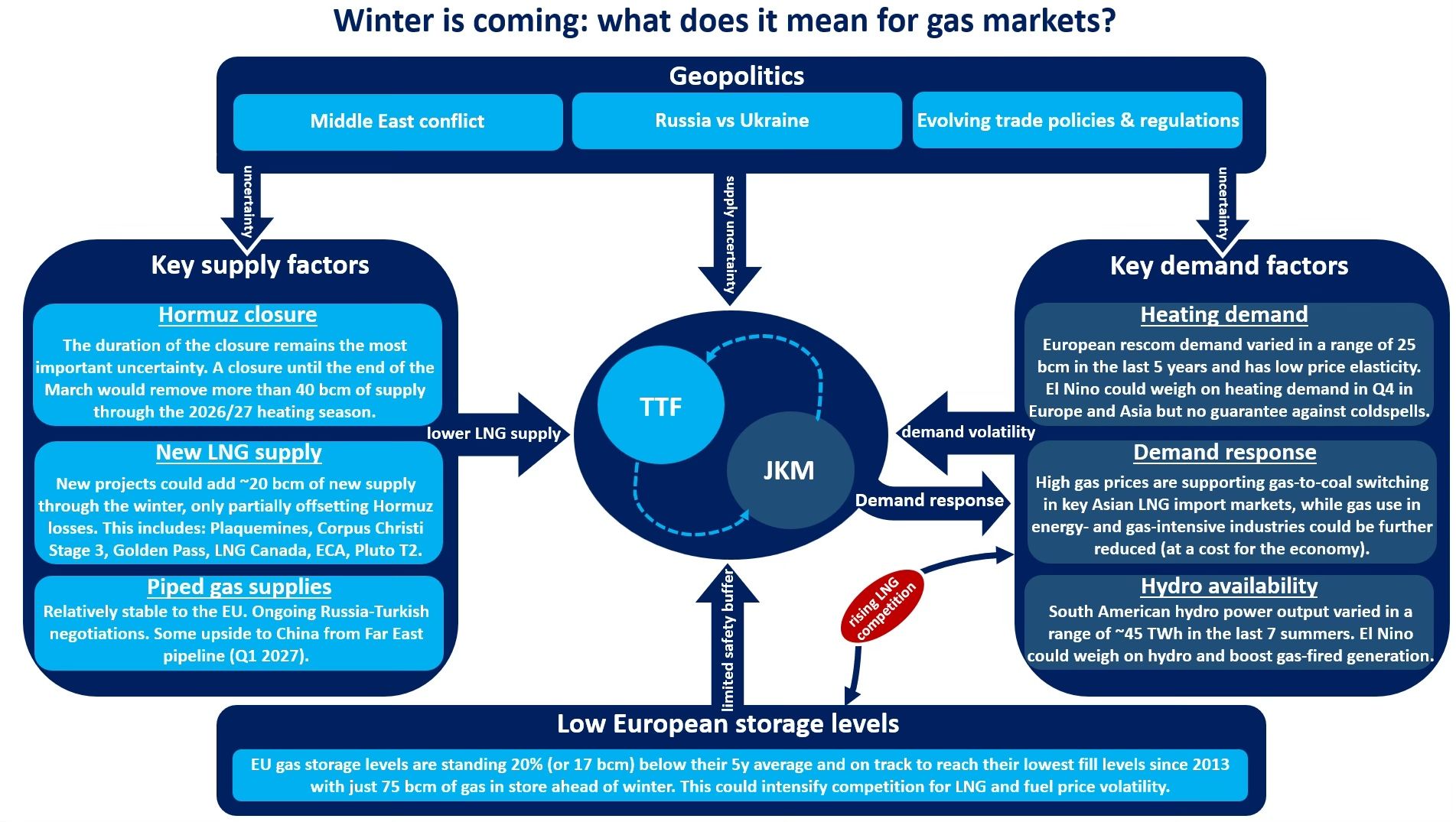
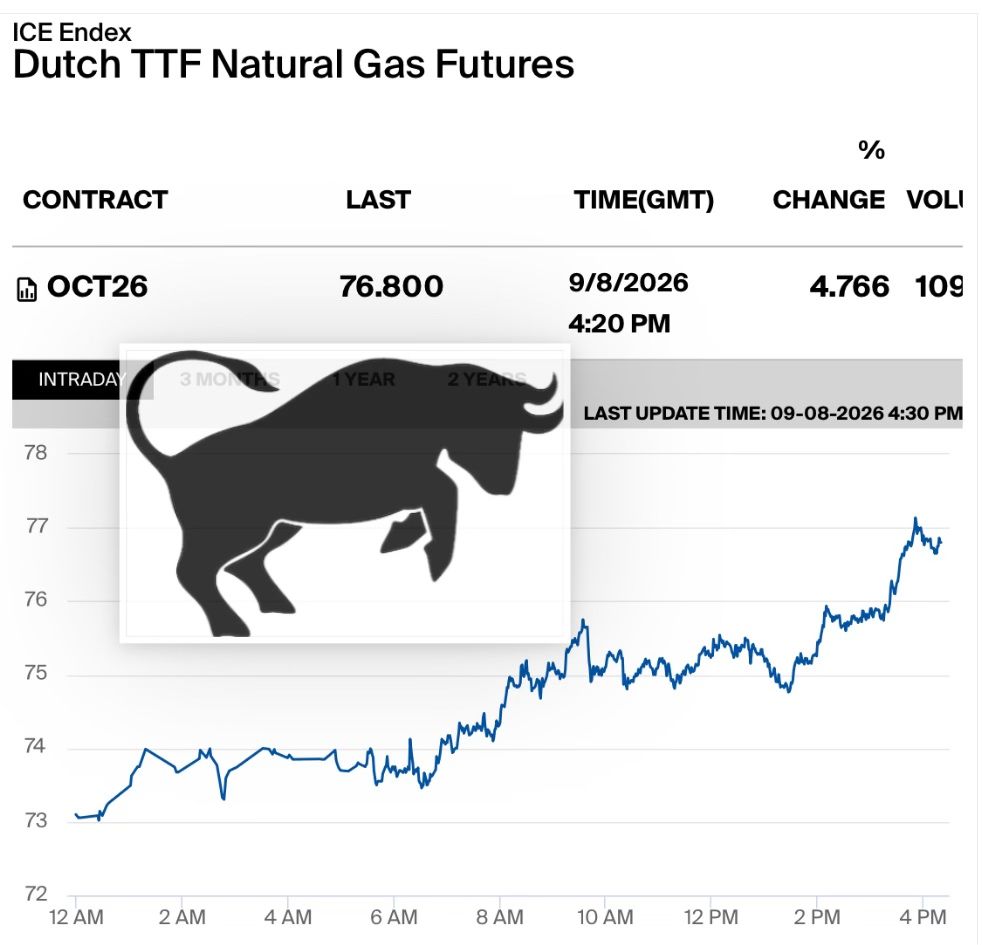
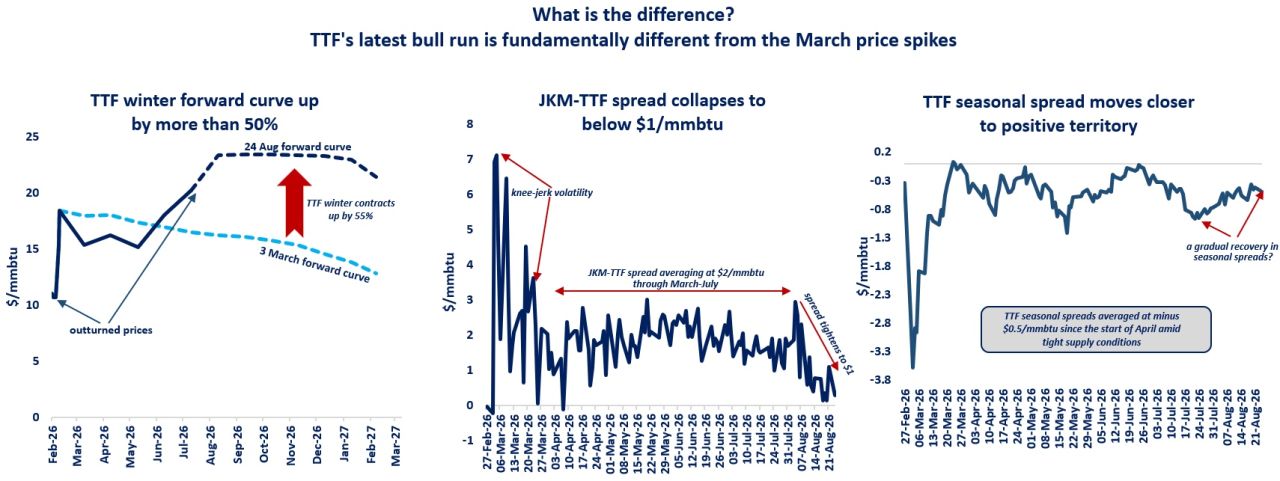
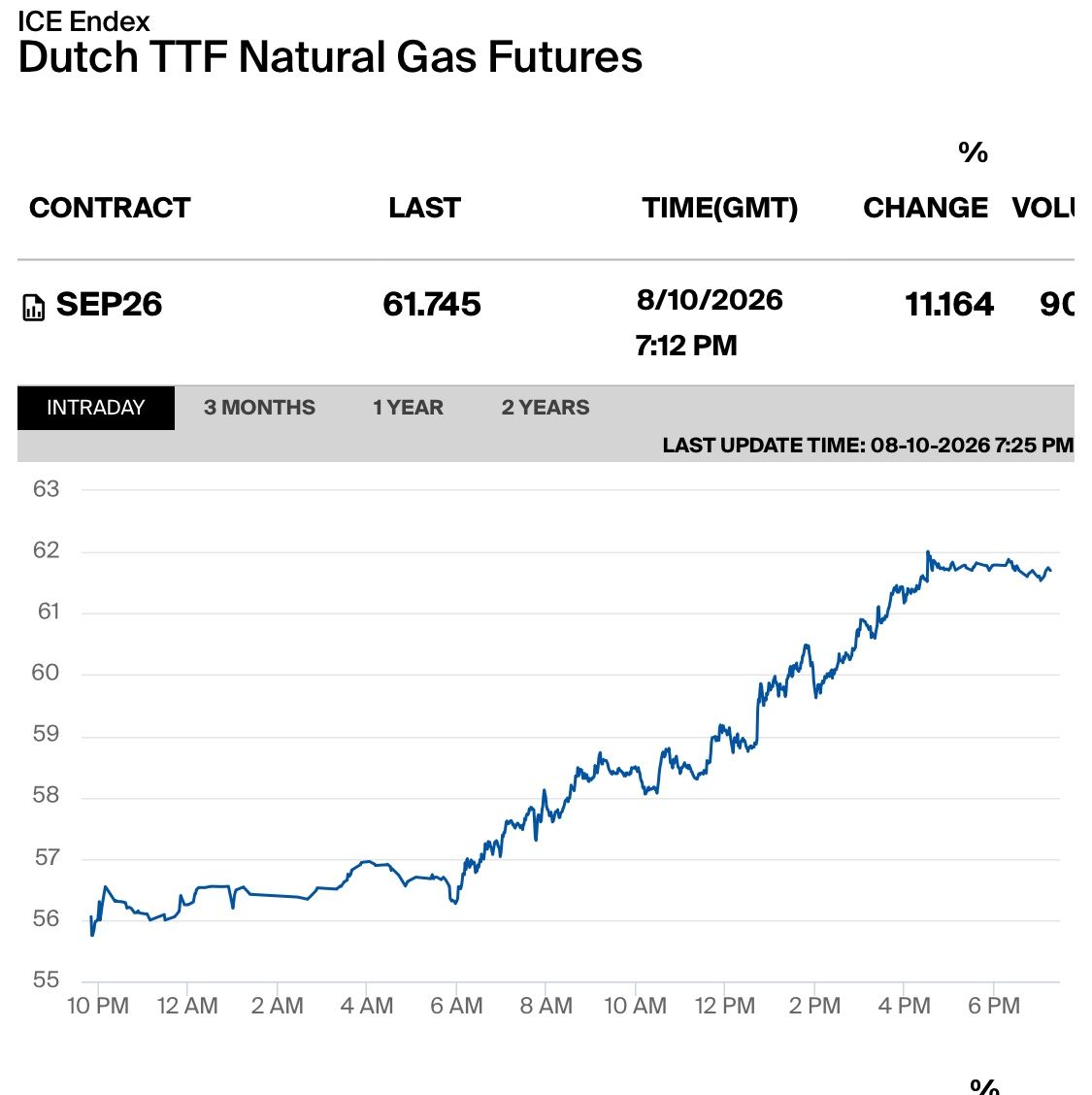
While Germany’s gas system has the physical capacity to rebuild inventories before the heating season, current price signals are providing too little incentive for market participants to inject gas into storage, increasing risks should Europe face another severe winter.
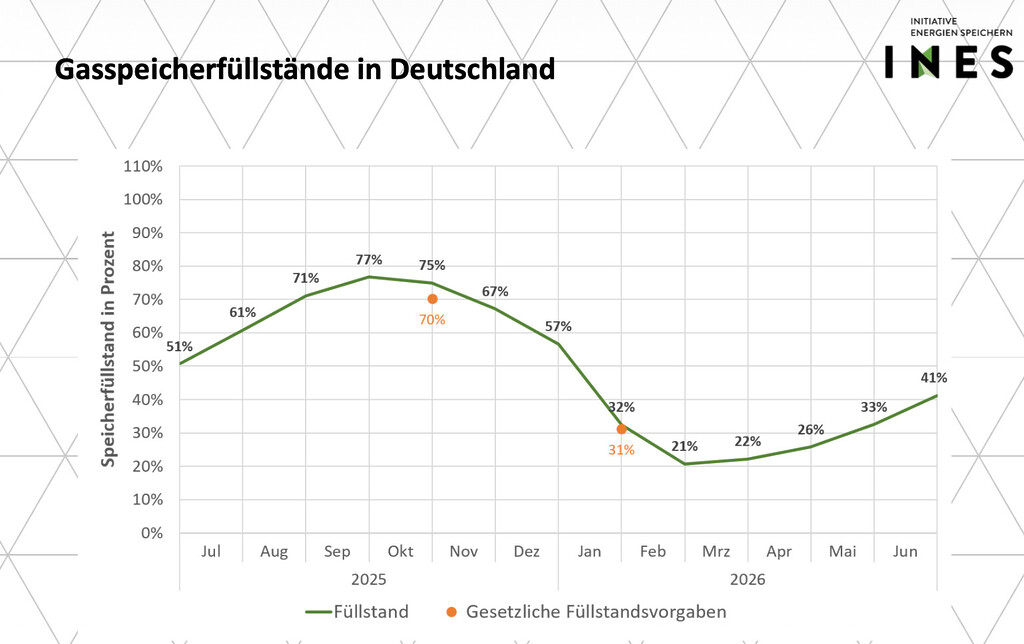
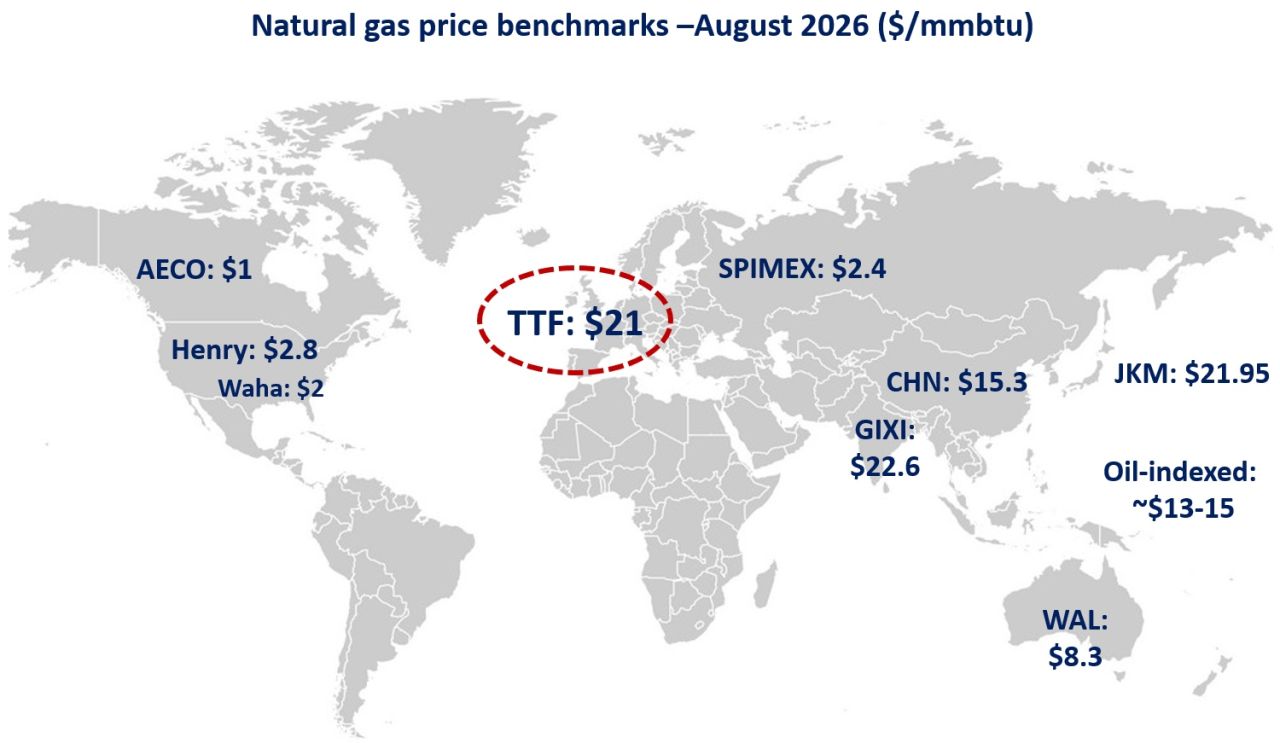
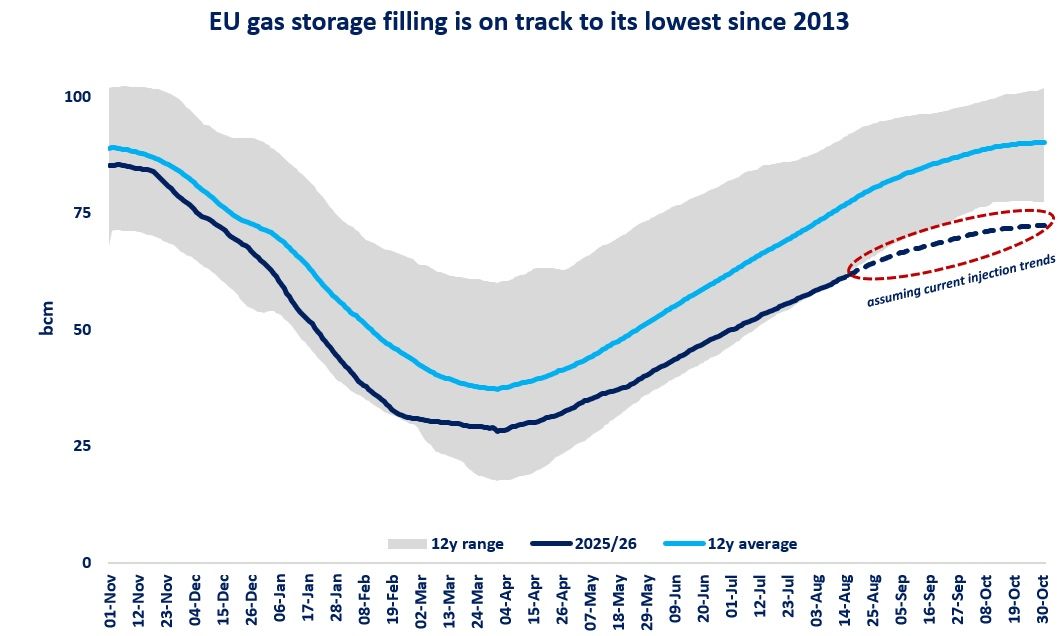
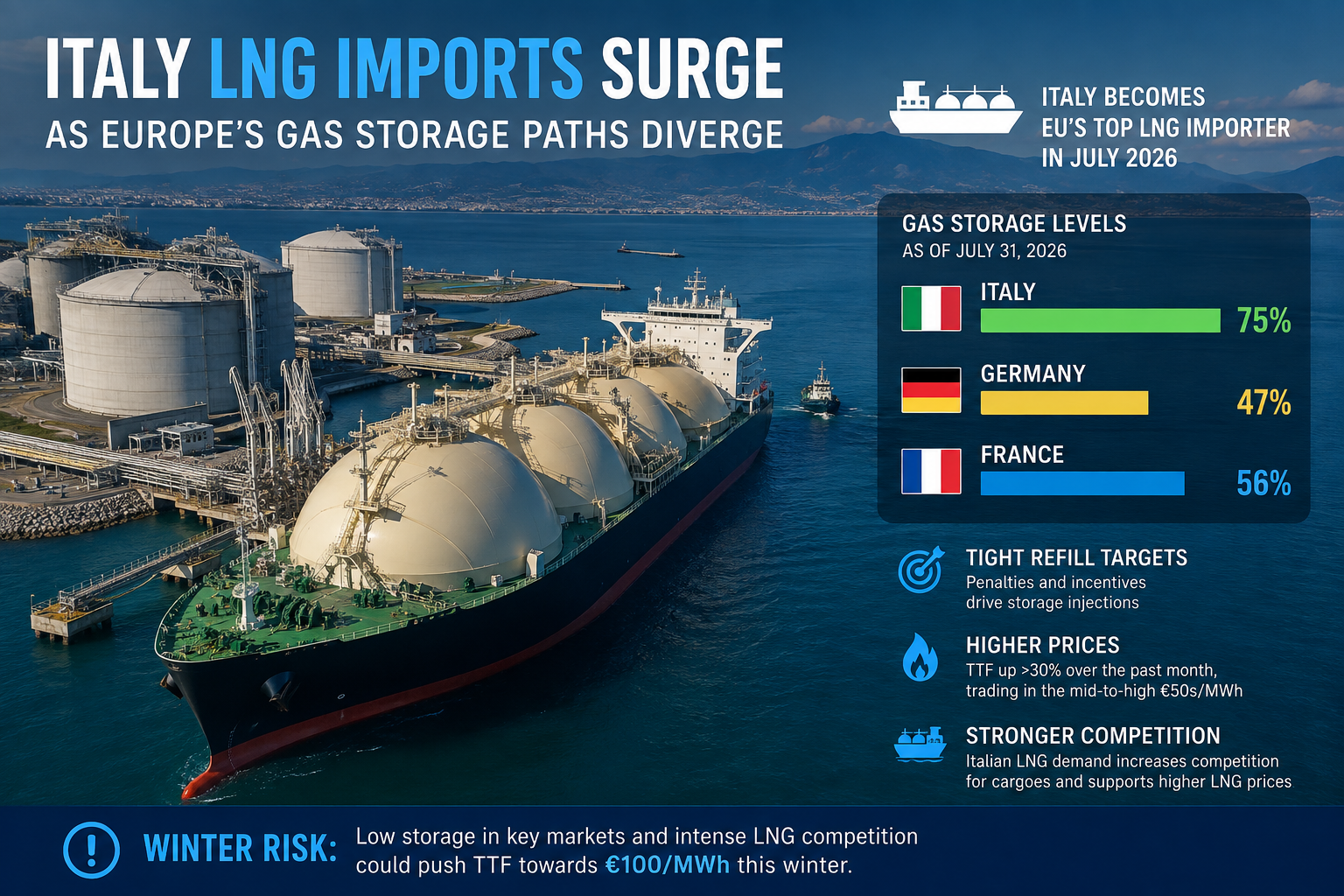
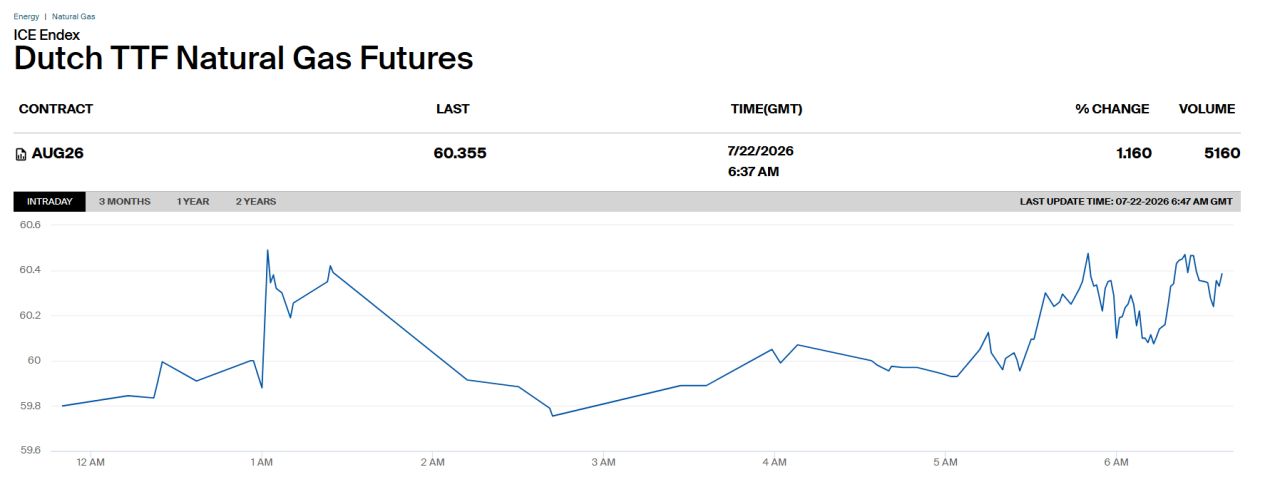
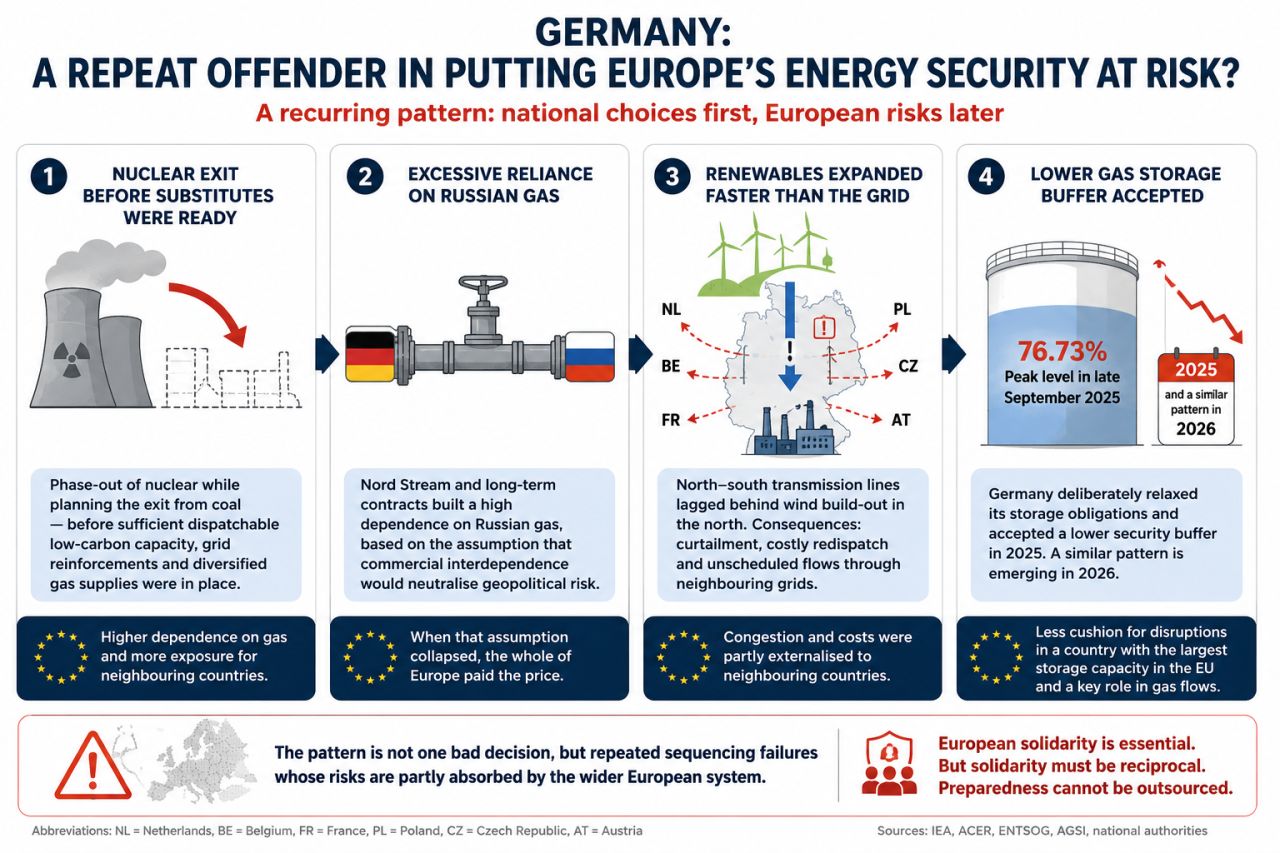
Germany’s storage sites were only around 41% full on 1 July 2026, the lowest level recorded at this point in the year since the 2021/22 energy crisis. The low inventories reflect both heavy withdrawals during the previous winter and higher gas prices, which have made summer storage injections significantly less attractive from a commercial perspective.
According to the modelling, Germany’s gas infrastructure remains capable of refilling storage facilities to the currently booked level of 76% by 1 November. However, the report stresses that this technical capability should not be confused with what will actually happen in the market.
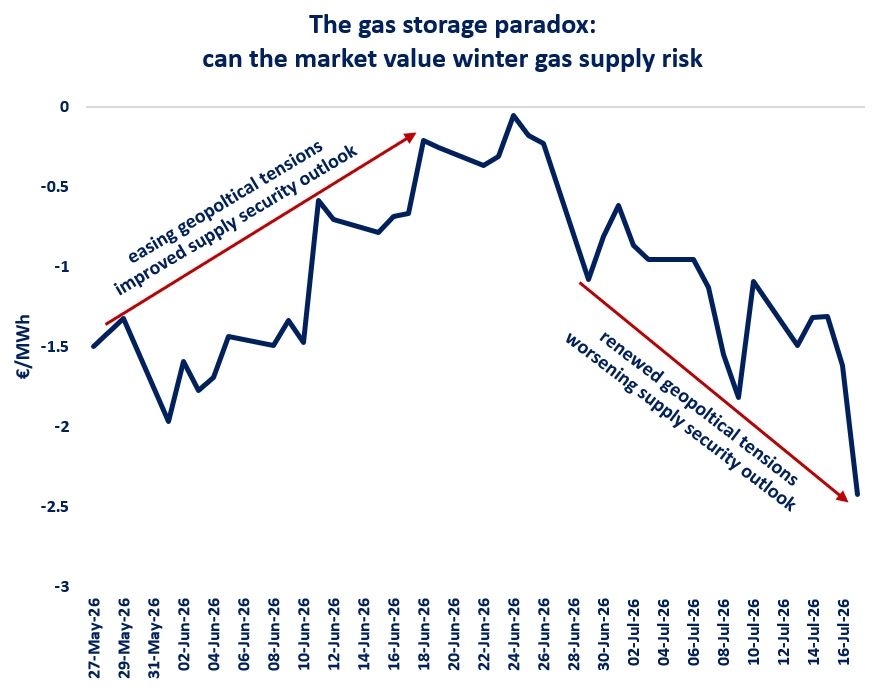
With the summer-to-winter price spread remaining weak, storage injections offer limited financial returns, reducing the incentive for traders to make full use of available storage capacity.
The distinction becomes particularly important under colder weather scenarios. The analysis indicates that a 76% storage level would generally be sufficient during a normal or mild winter. Under conditions similar to the exceptionally cold winter of 2010, however, storage at that level may no longer guarantee uninterrupted supply, with modelled shortfalls emerging during February and March if inventories prove insufficient.
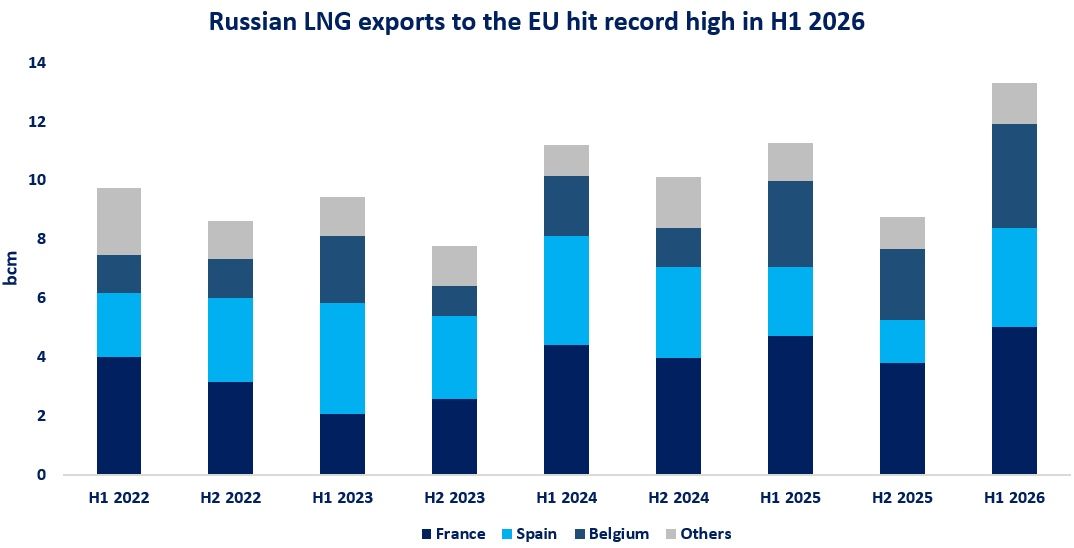
The findings reinforce an increasingly important trend across Europe’s gas market. Following major investments in LNG import terminals and transmission infrastructure, physical capacity is becoming less of a constraint than market behaviour.
In other words, the challenge is no longer whether gas can be stored, but whether prevailing economics encourage companies to fill storage in the first place.
For policymakers, the analysis highlights a growing disconnect between technical readiness and commercial reality. Ensuring security of supply may increasingly require not only adequate infrastructure, but also market conditions that make seasonal storage economically attractive.
Source: Initiative Energien Speichern (INES), Gas Scenarios – July 2026 Update (report in German; English press statement available).