TTF gas price has climbed back above €60/MWh as geopolitical tensions reshape the European gas market. In the following opinion piece, Francesco Sassi argues that European policymakers have underestimated the growing energy security risks and failed to adequately prepare for a more volatile geopolitical environment.
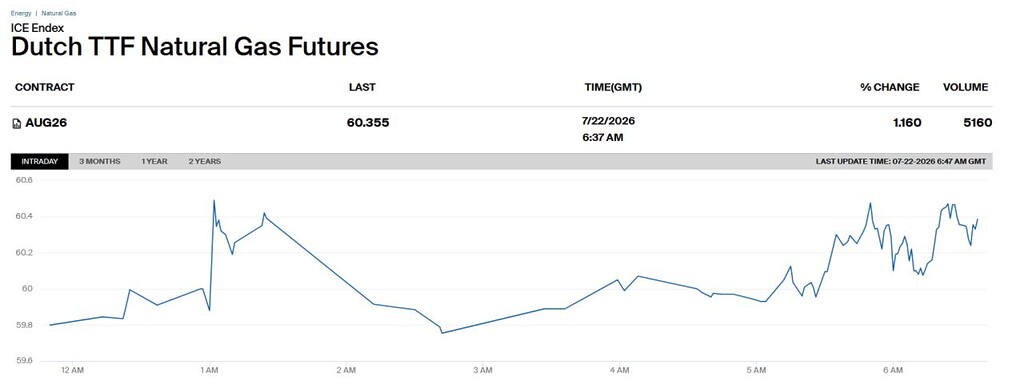
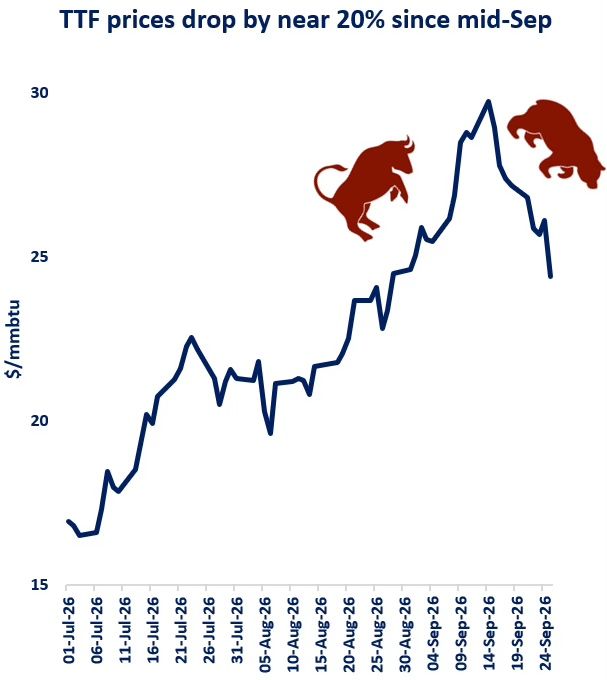
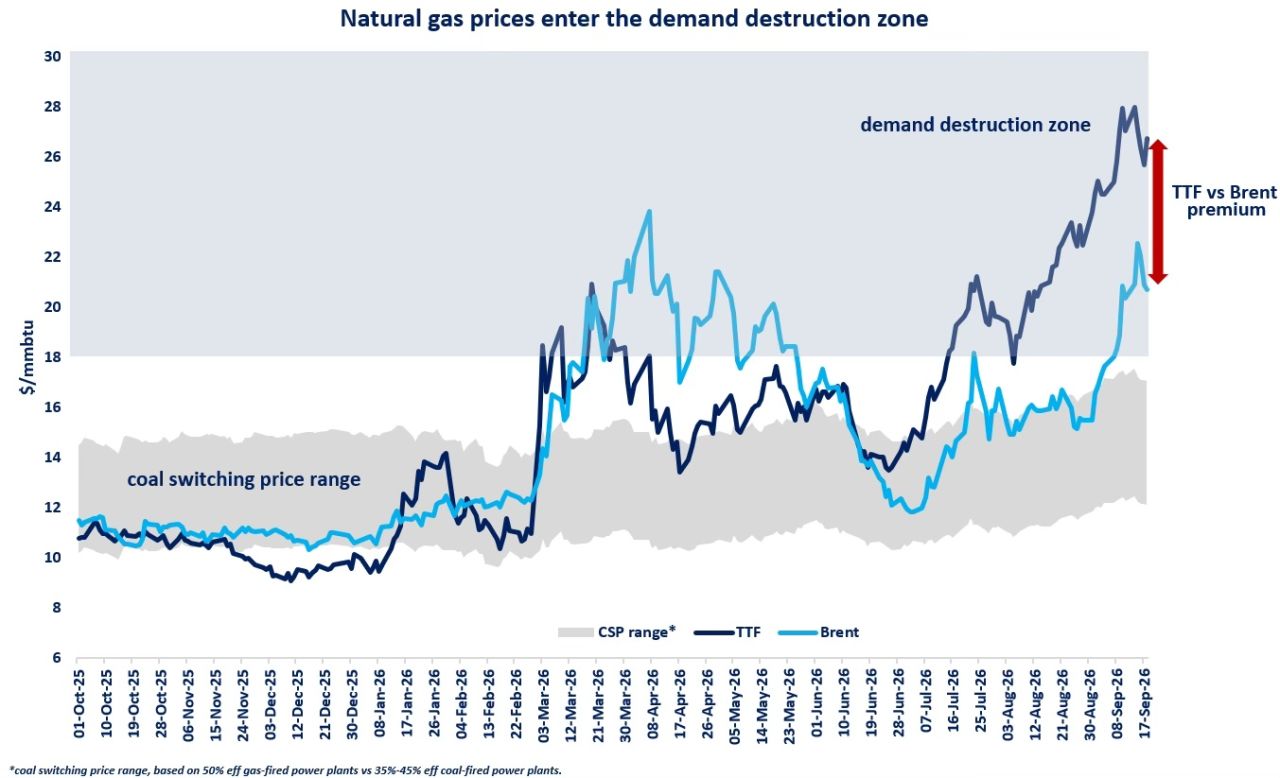
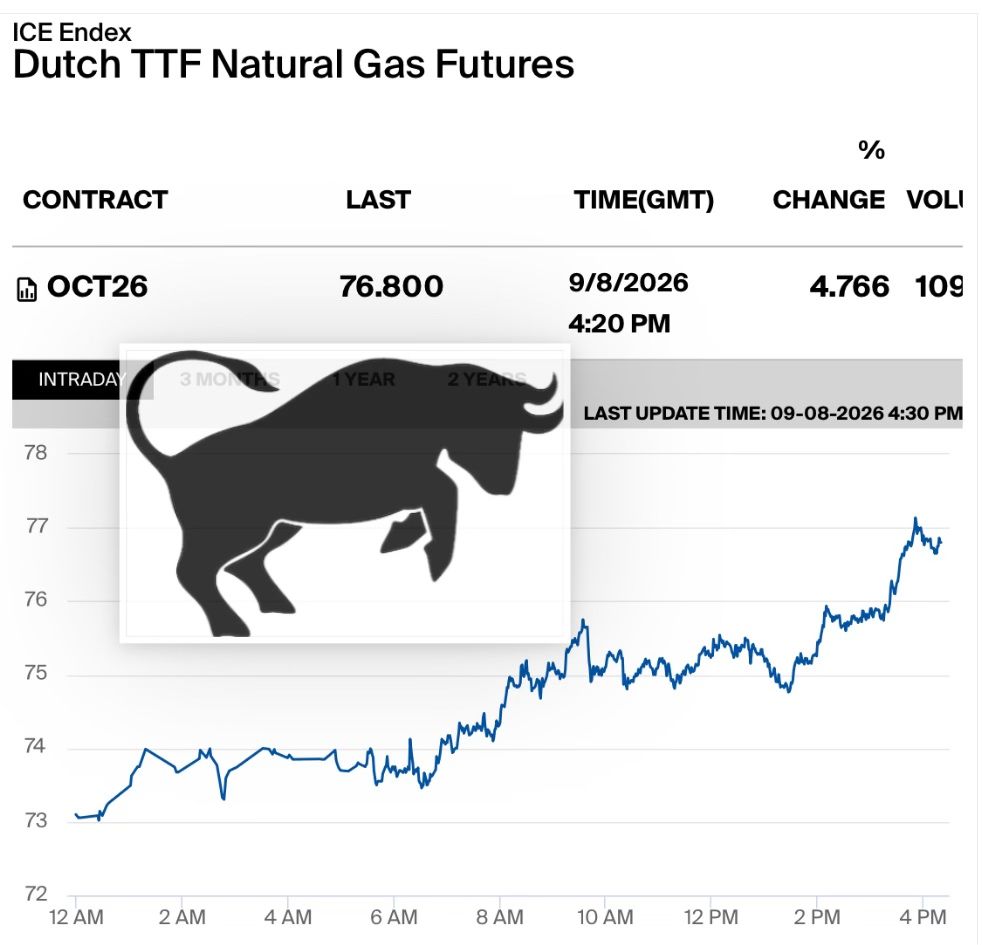
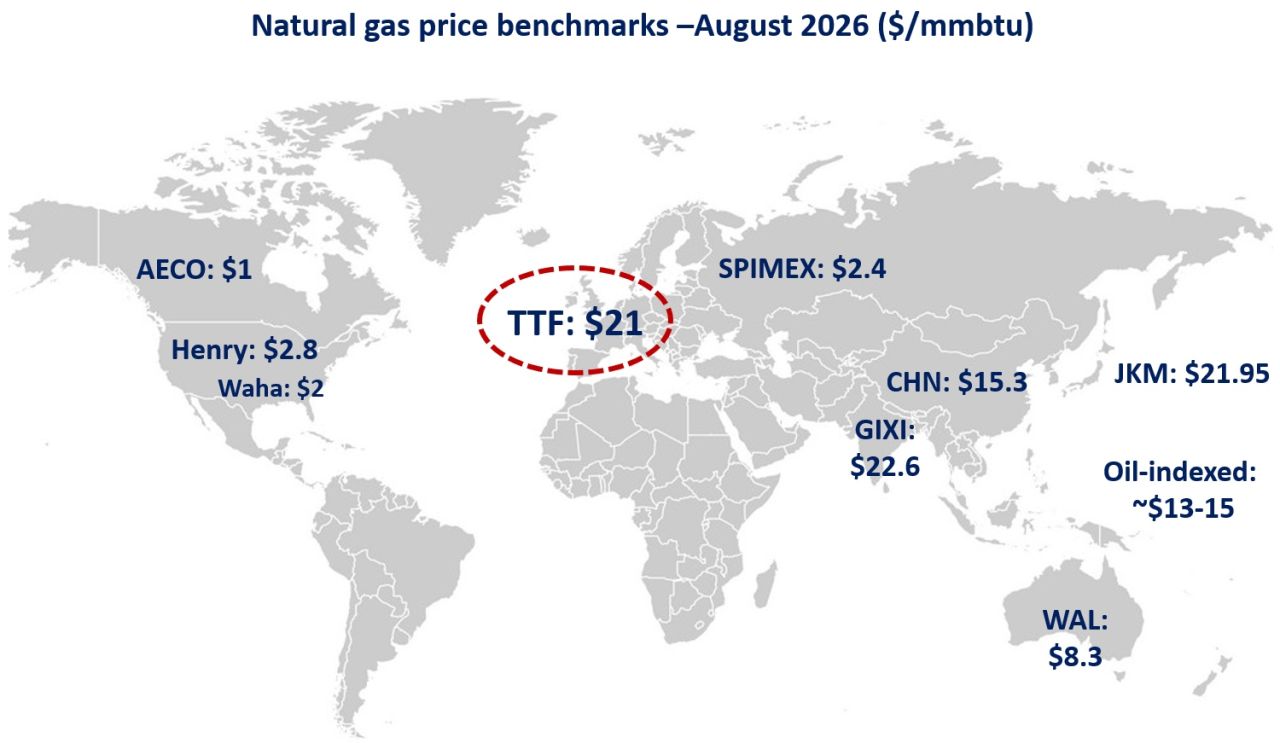
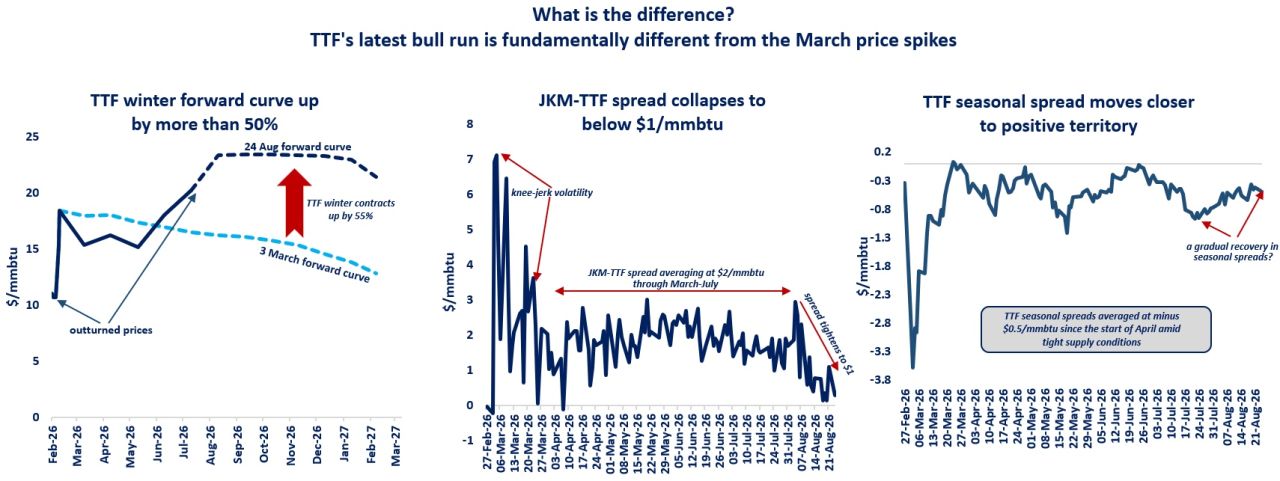
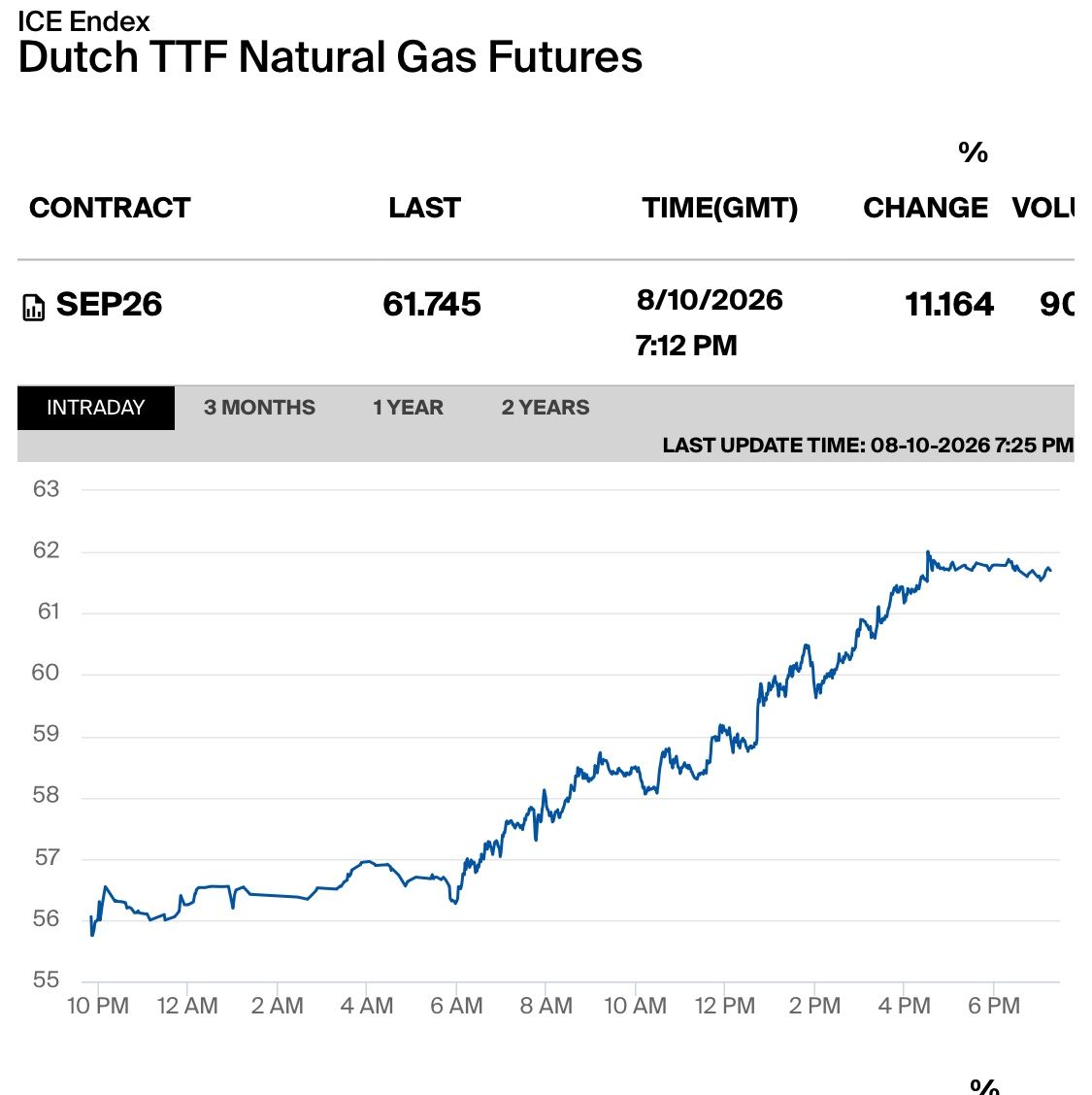
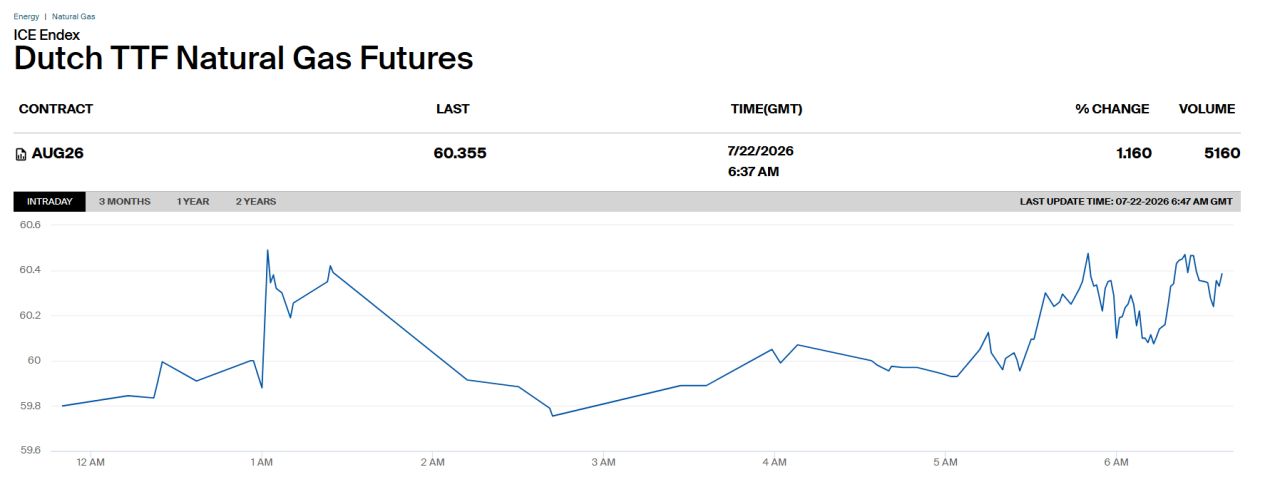
The TTF front-month natural gas price—the primary benchmark for understanding trends in the European natural gas market—has just broken the psychological threshold of €60/MWh for August.
Prices are now close to reaching their highest levels since the U.S.–Israel–Iran war began.
To be clear, this is the result of EU complacency—both on the part of individual member states and the European Commission.
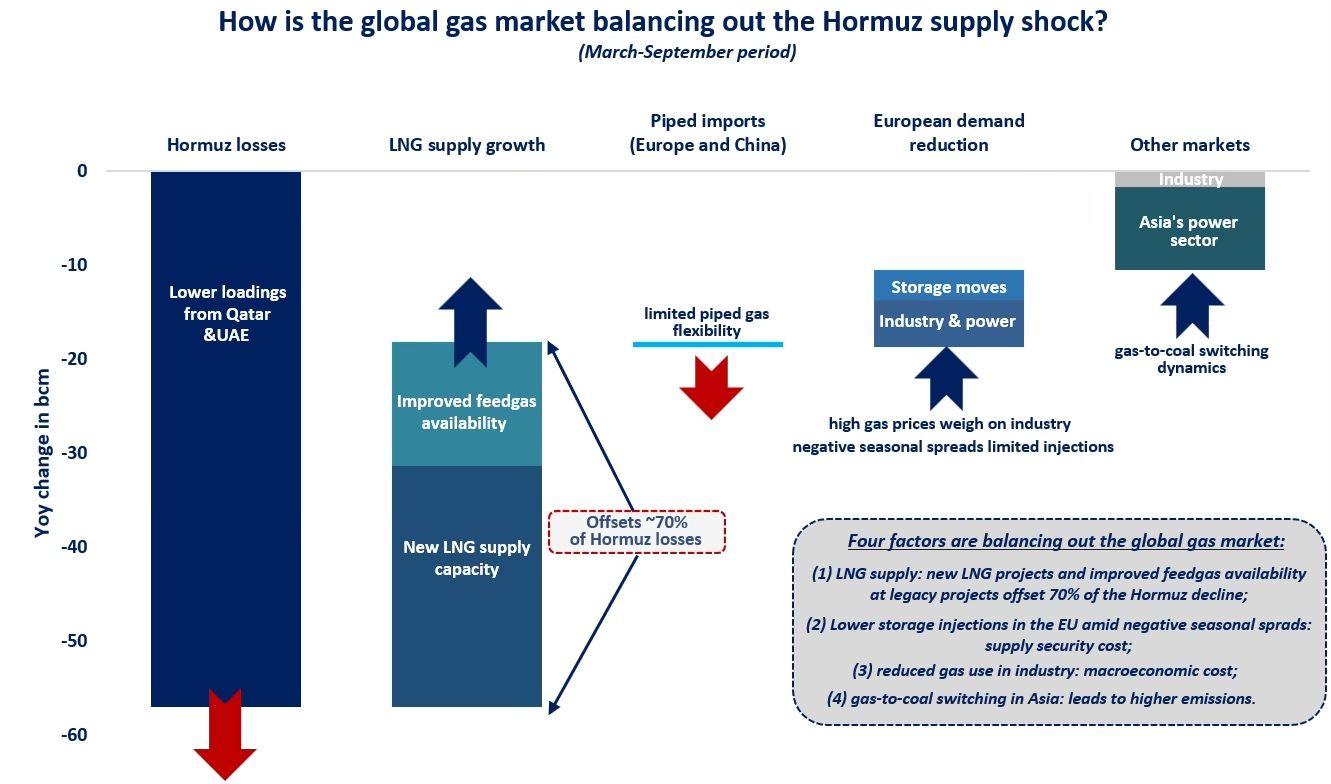
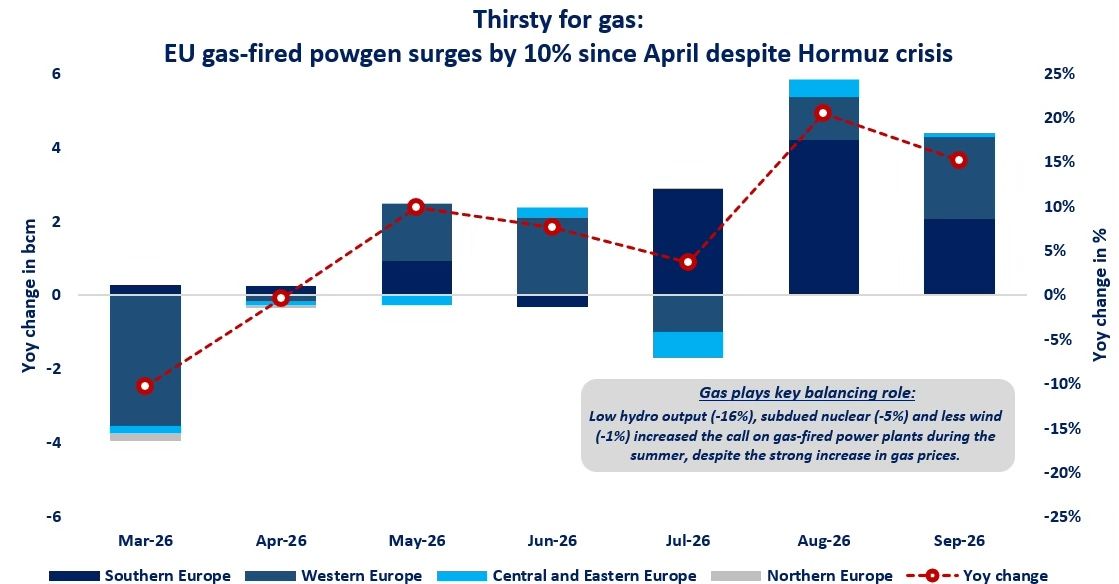
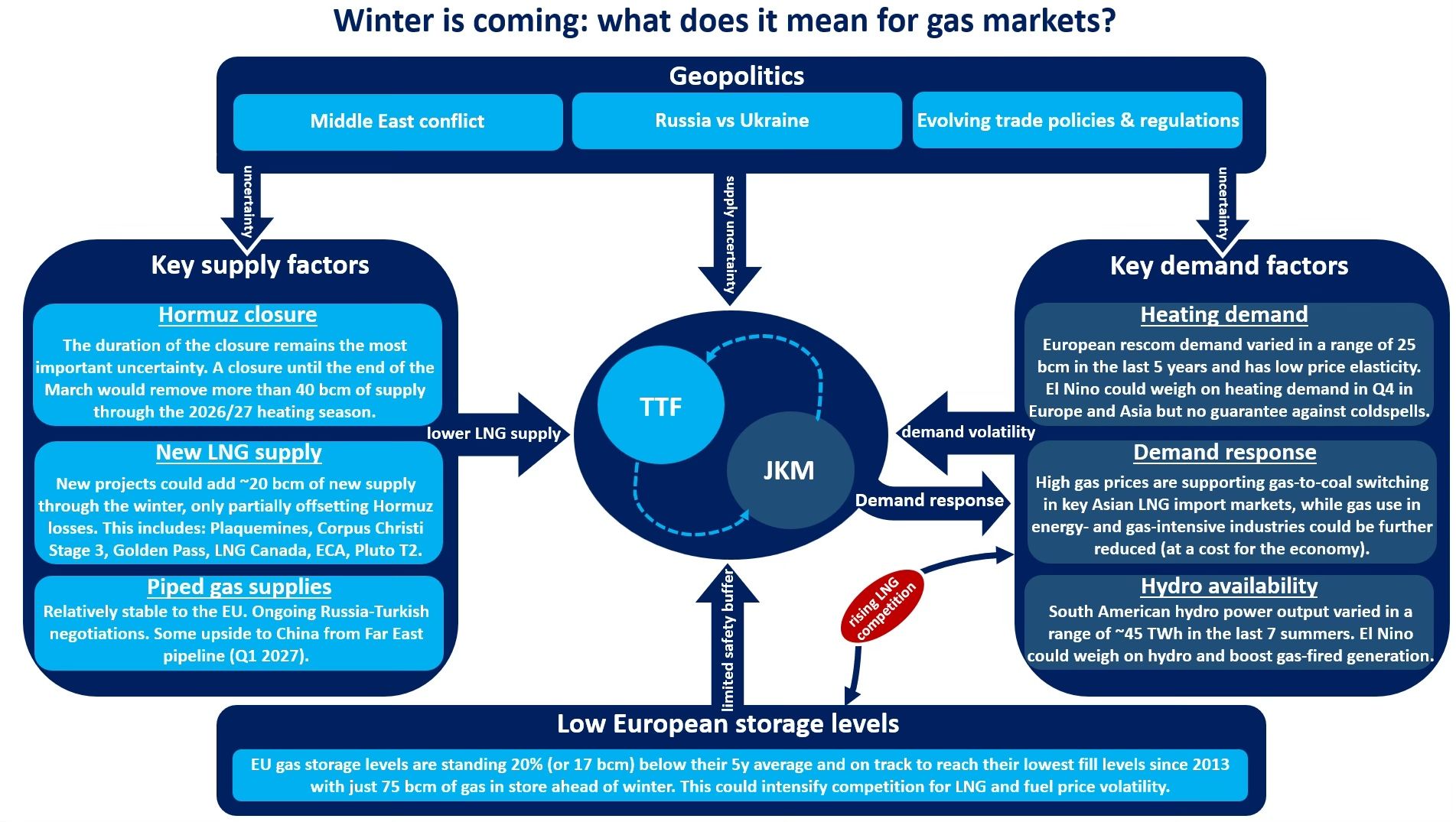
For months, virtually passively, they watched the chaos unfolding across global gas supplies due to the conflict, the blockade of the Strait of Hormuz, and the counter-blockade on Iranian ports.
What is particularly paradoxical for someone who has dedicated his life and intellectual efforts to studying energy geopolitics is that this crisis was an entirely predictable scenario.
Instead, the EU and European governments have done everything in their power to sweep problems under the rug.
Just a week ago, the EU published the Energy Union Task Force assessment on the oil and gas security of supply in the EU.
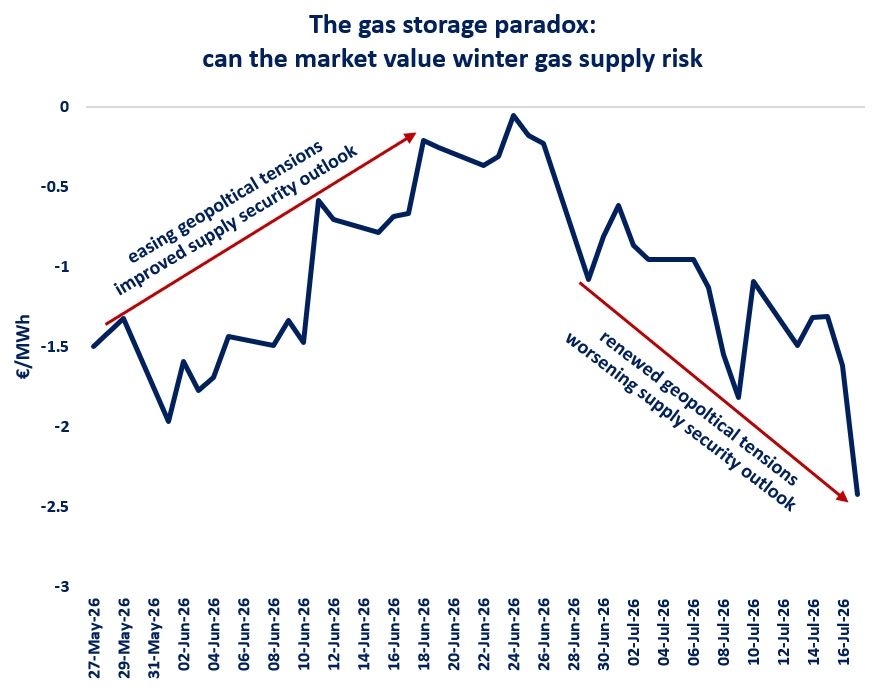
Surprisingly—though less so when considering the prevailing preference for looking the other way—the Task Force stated that “volatility has remained relatively low and prices are significantly lower than levels seen in the 2022 energy crisis.” A glaring signal of self-complacency.
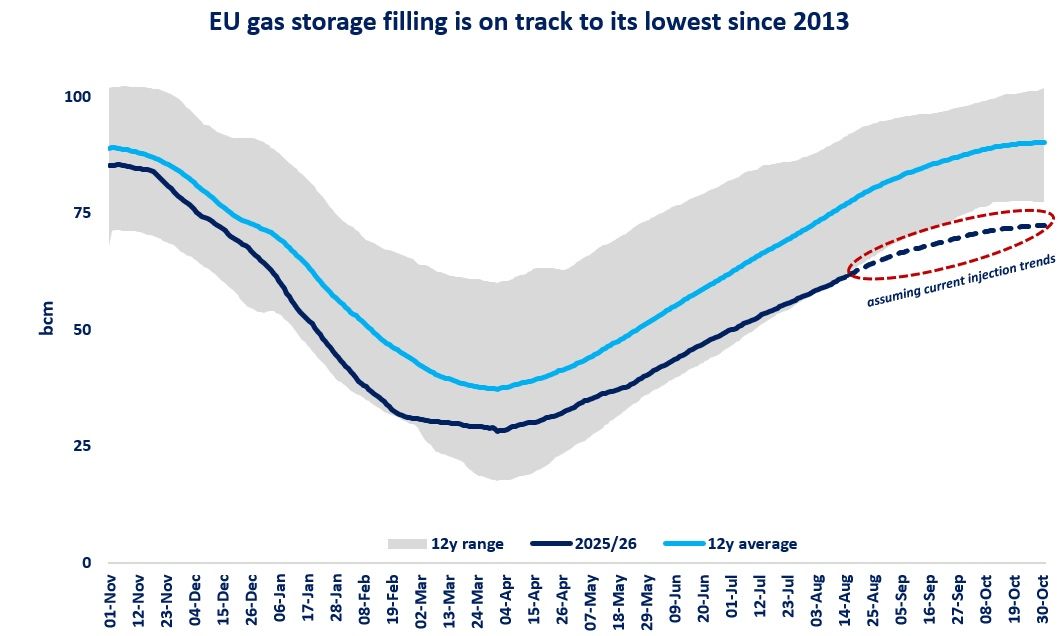
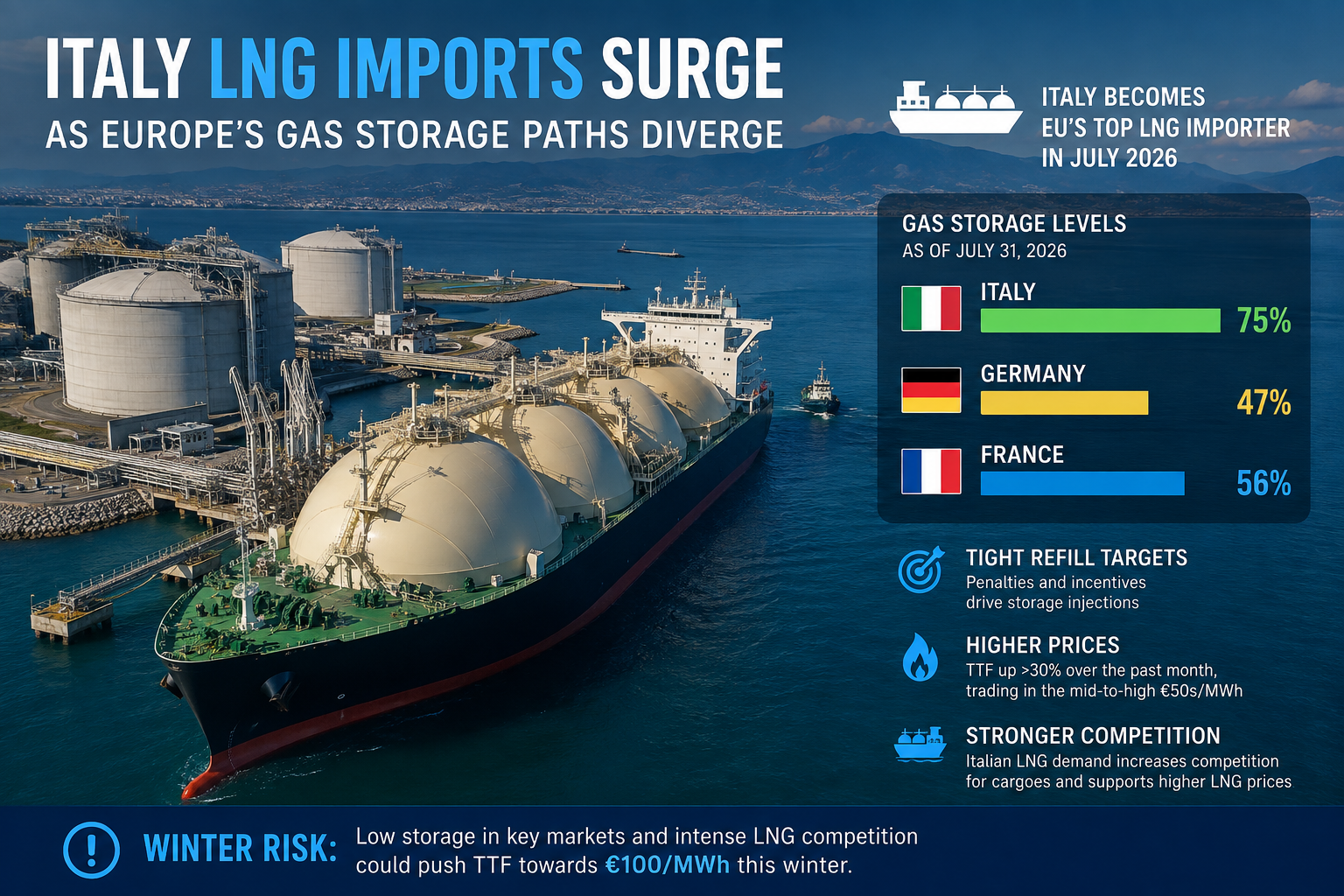
The Task Force also added that “there is no immediate security of supply concern for winter 2026–2027 as storage filling targets remain achievable ahead of the start of the winter season, ensuring an adequate level of preparedness.” Another clear self-complacency alarm bell.
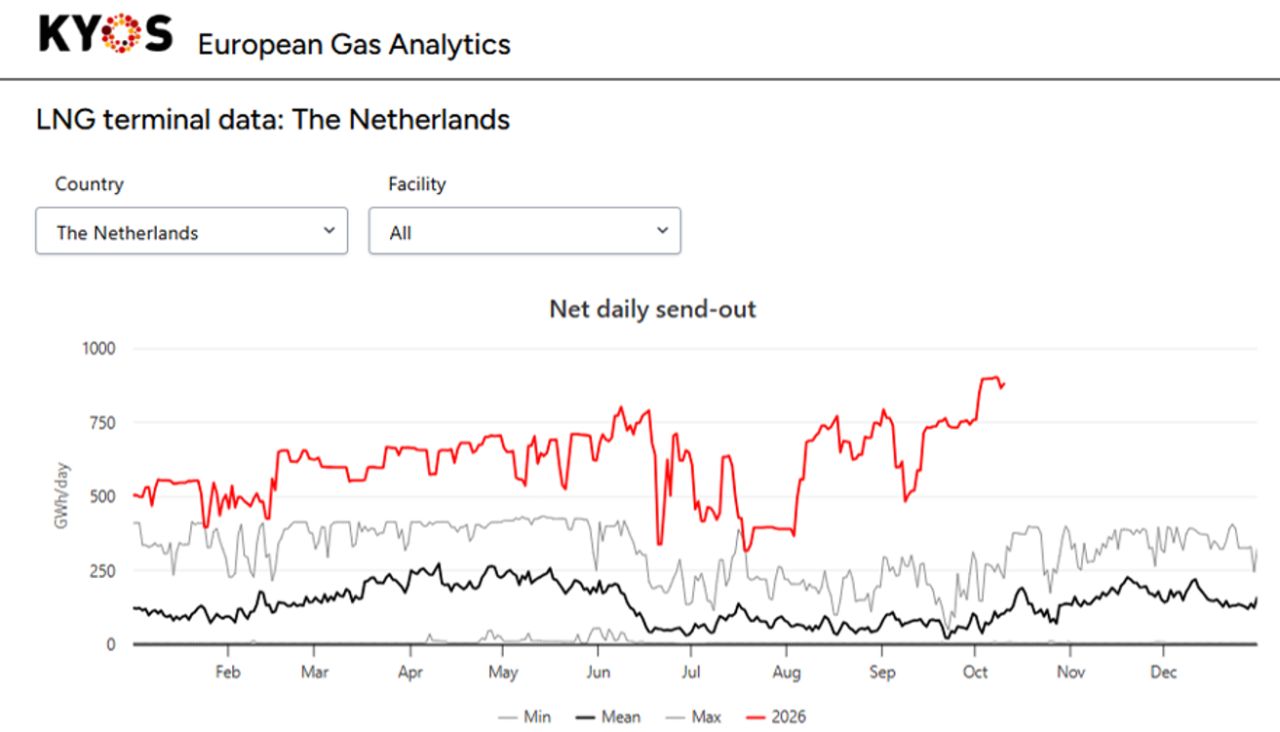
The concluding section of the assessment, in which the Task Force asserts that “the EU’s substantial LNG spare import capacity is expected to provide further flexibility to meet winter demand and support the optimal use of storage”, completely ignores reality.
This LNG will only reach Europe at prices reminiscent of the 2022 crisis, and today’s spike back to €60/MWh is a clear indication of that trajectory.
The meeting of the Task Force, held on Friday, 10 July, ironically coincided with renewed threats from US President Donald Trump that the Memorandum of Understanding between Washington and Tehran was now worthless and that the ceasefire had ended.
On the same day, he informed Congress, “I directed this military action consistent with my responsibility to protect Americans and United States’ national security and foreign policy interests,” confirming to lawmakers that the conflict had resumed.
The further we move into this unprecedented energy geopolitics crisis, the more I am convinced that the EU must step up its efforts to read the market through a far more geopolitical lens.
The risks ahead, heading into this winter and the following one, could be much worse than during the first winter of the Russia–Ukraine war.
Source: Francesco Sassi, LinkedIn post, July 2026.