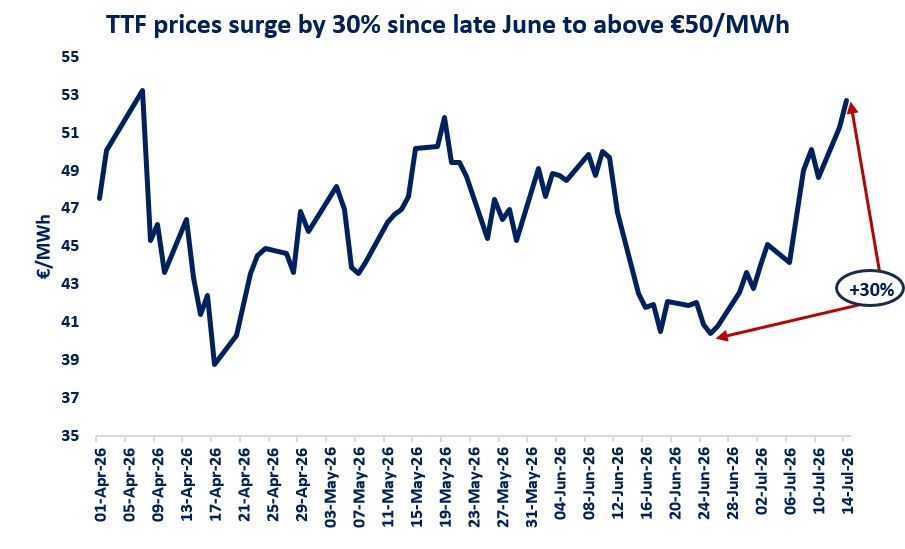
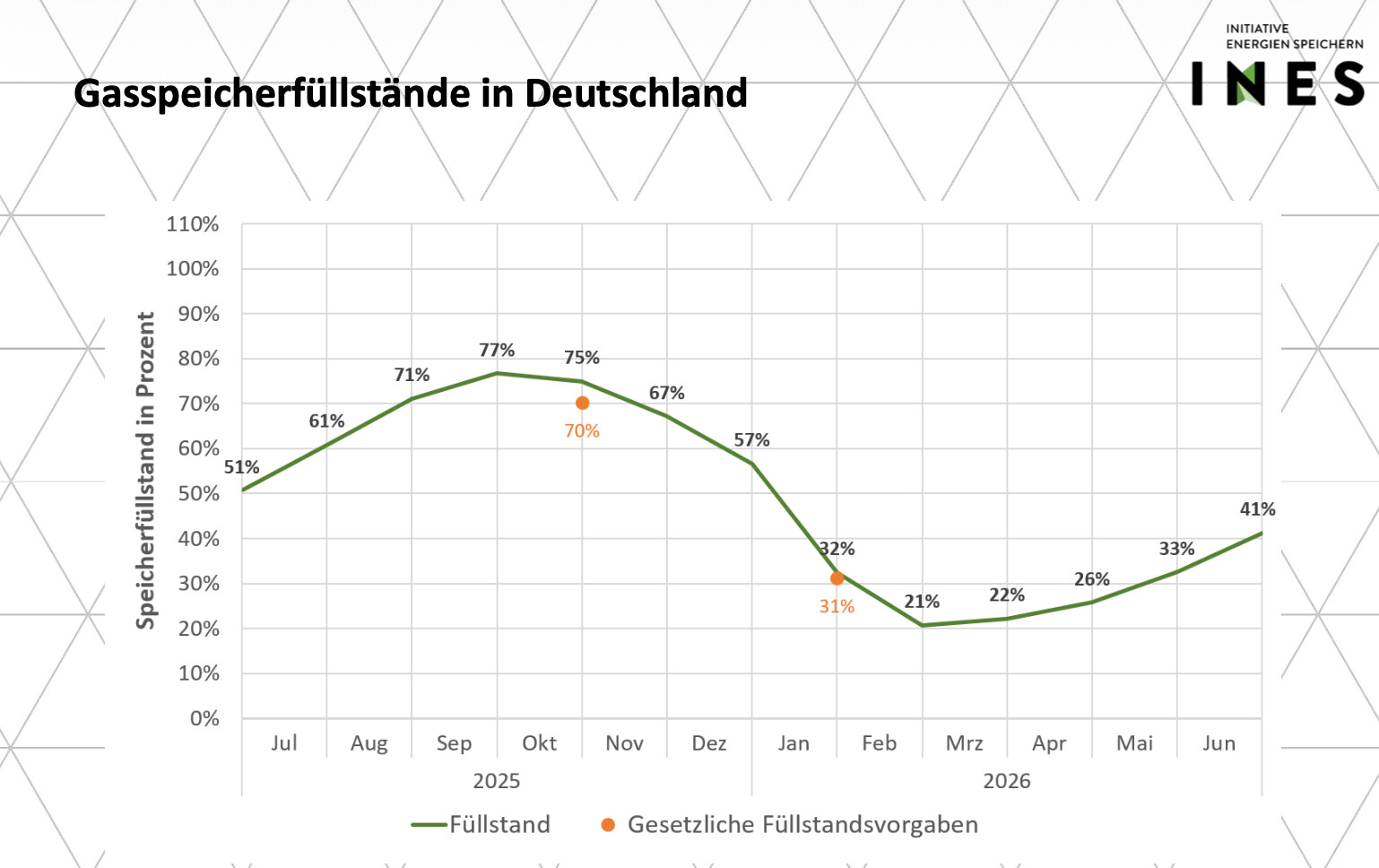
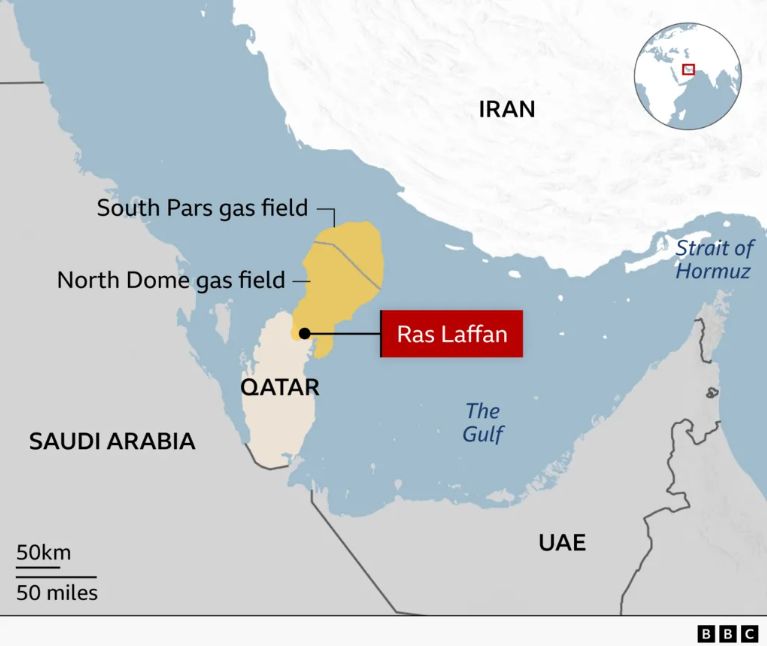
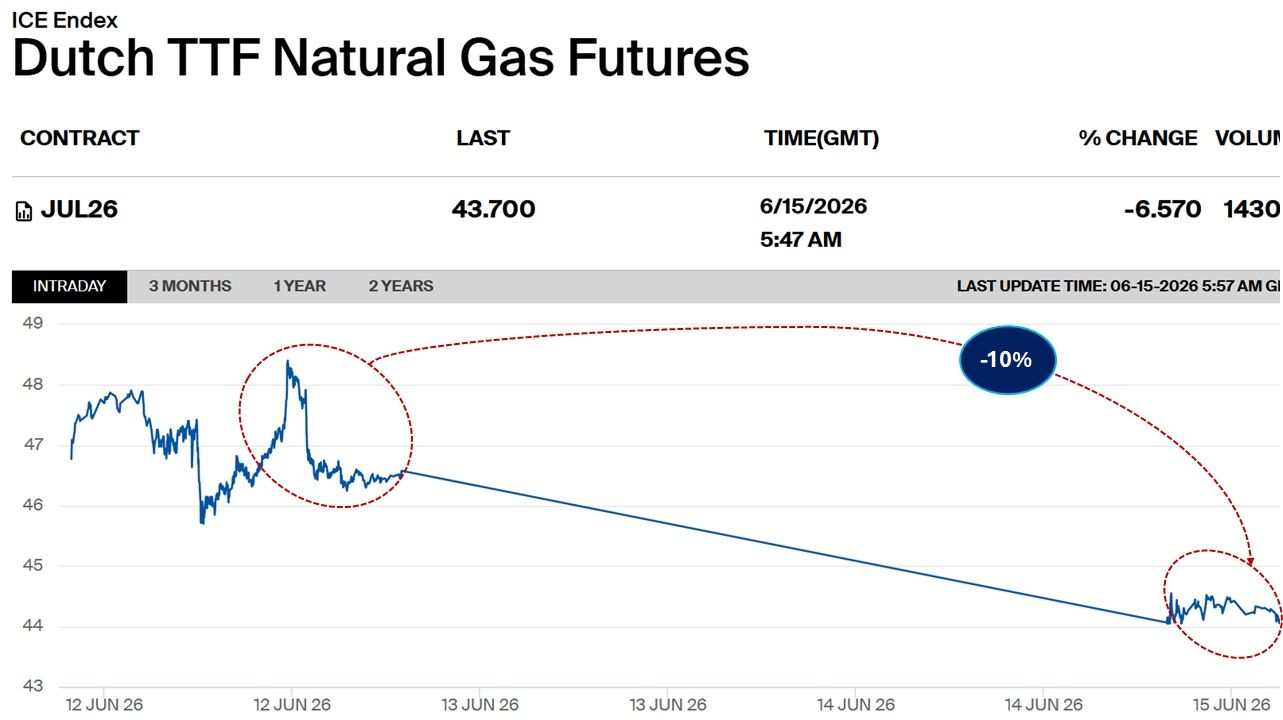
The European gas market is facing growing uncertainty as disruption to LNG trade through the Strait of Hormuz shows little sign of ending. This market update argues that lower storage injections, continued geopolitical tensions and the prospect of a prolonged supply disruption are increasing the risk of higher price volatility and tighter market conditions ahead of winter.
In a new analysis, Francesco Sassi and Giovanni Bettinelli argue that hopes for a rapid diplomatic resolution between the United States and Iran continue to fade as negotiations remain deadlocked and regional tensions persist.
While a fragile ceasefire has reduced the risk of a broader escalation, recent exchanges of strikes between Israel and Iran demonstrate how quickly the situation can deteriorate.
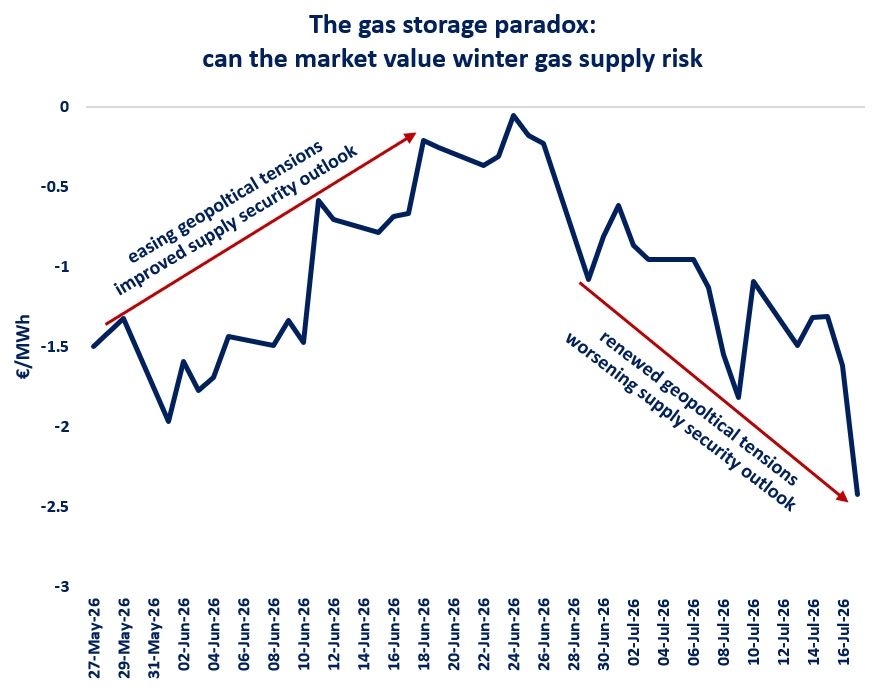
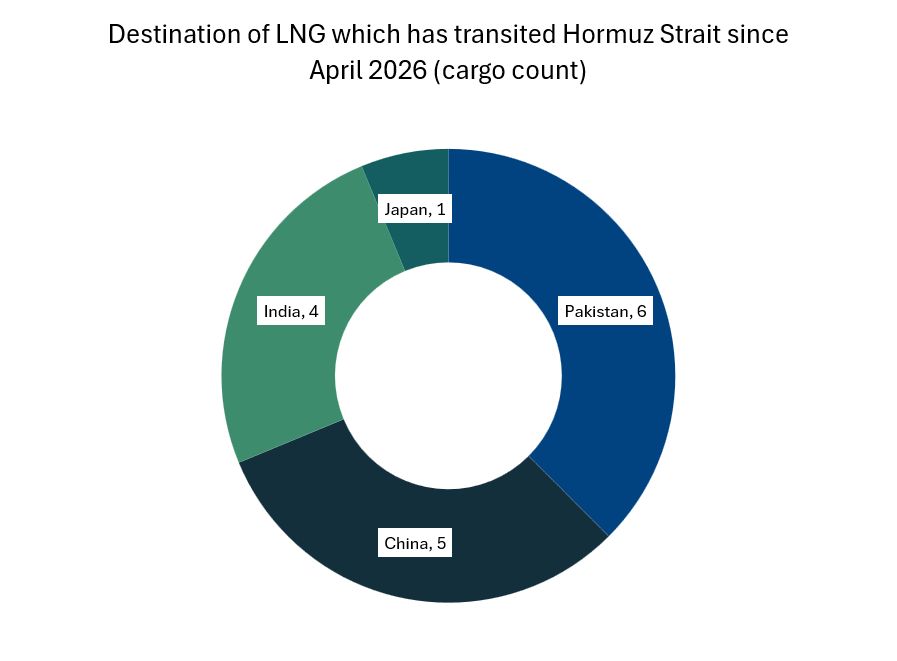
For gas markets, the key issue remains the disruption to LNG trade through the Persian Gulf. With LNG flows via the Strait of Hormuz heavily constrained for several months, the report argues that a meaningful return to pre-crisis supply patterns is unlikely before the end of summer at the earliest. This raises the prospect of Europe completing much of the gas storage injection season under significantly tighter supply conditions than anticipated.
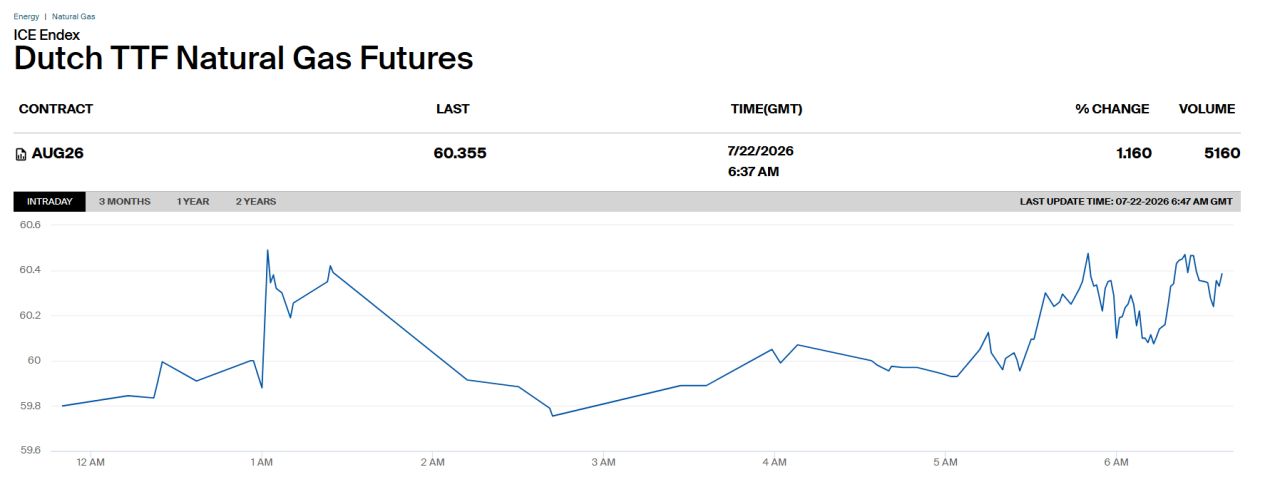
The authors note that global gas prices continue to reflect uncertainty surrounding the conflict. Markets remain highly sensitive to headlines regarding negotiations and military developments, while expectations of an eventual return of Qatari and Emirati LNG volumes have helped prevent even larger price increases. However, any deterioration in the diplomatic outlook could trigger renewed upward pressure on prices.
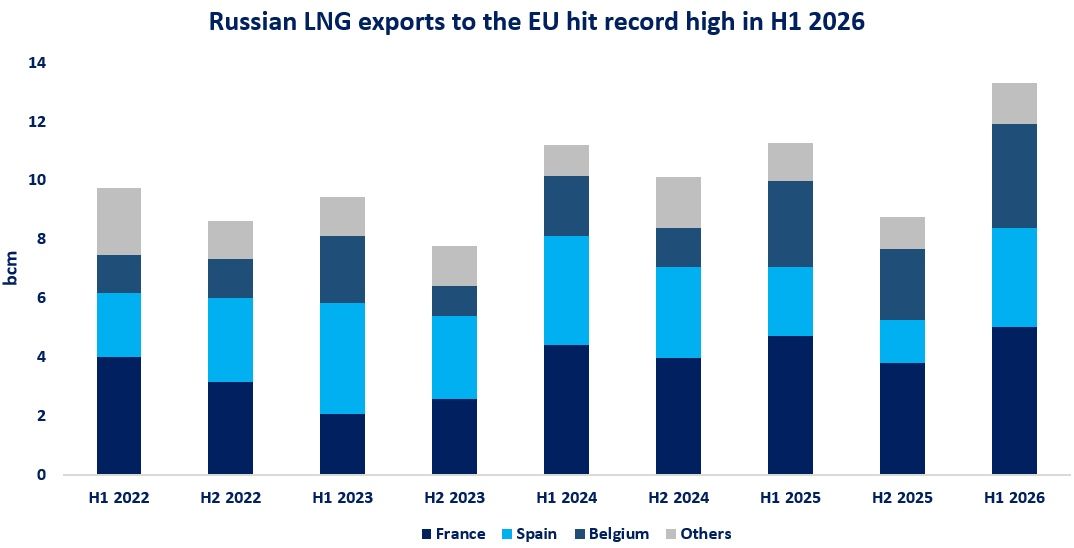
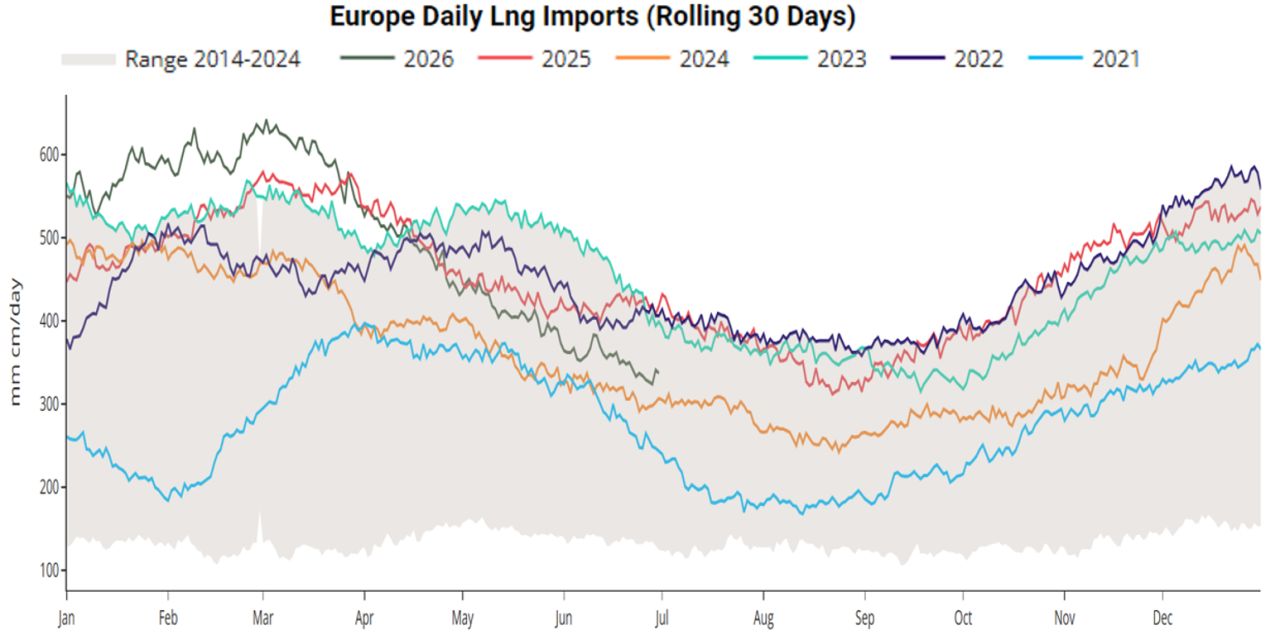
A further concern for Europe is the growing divergence between Asian and European demand. Stronger LNG demand in Asia, particularly from China, has absorbed volumes that might otherwise have reached Europe. At the same time, European LNG imports have remained below last year’s levels, resulting in weaker storage injections.
For now, lower gas demand across Europe has helped offset part of the supply shortfall. However, the report warns that if demand increases during the summer or if LNG market disruptions persist longer than expected, the risk of entering winter with storage levels well below previous years could increase significantly.
The analysis concludes that the European gas market remains highly vulnerable to developments in the Middle East and that continued geopolitical uncertainty is likely to keep both gas prices and market volatility elevated in the months ahead.
Source: Francesco Sassi and Giovanni Bettinelli (GFB Insight)