The Netherlands is emerging as a critical redistribution hub in the European gas market, balancing regional flows and supporting neighbouring systems under stress conditions, according to analysis by Pablo Díaz García of Energy Exemplar.
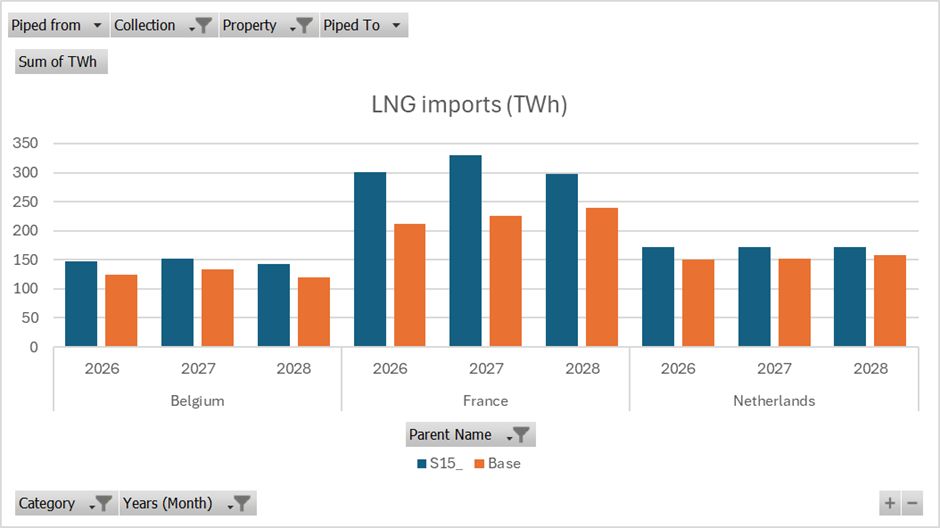
The analysis examined the Netherlands under the S15 “bearish” scenario, which combines colder weather with reduced North Sea supply, including lower Norwegian flows. Under these tighter conditions, the Dutch market behaves very differently from more exposed systems such as France.
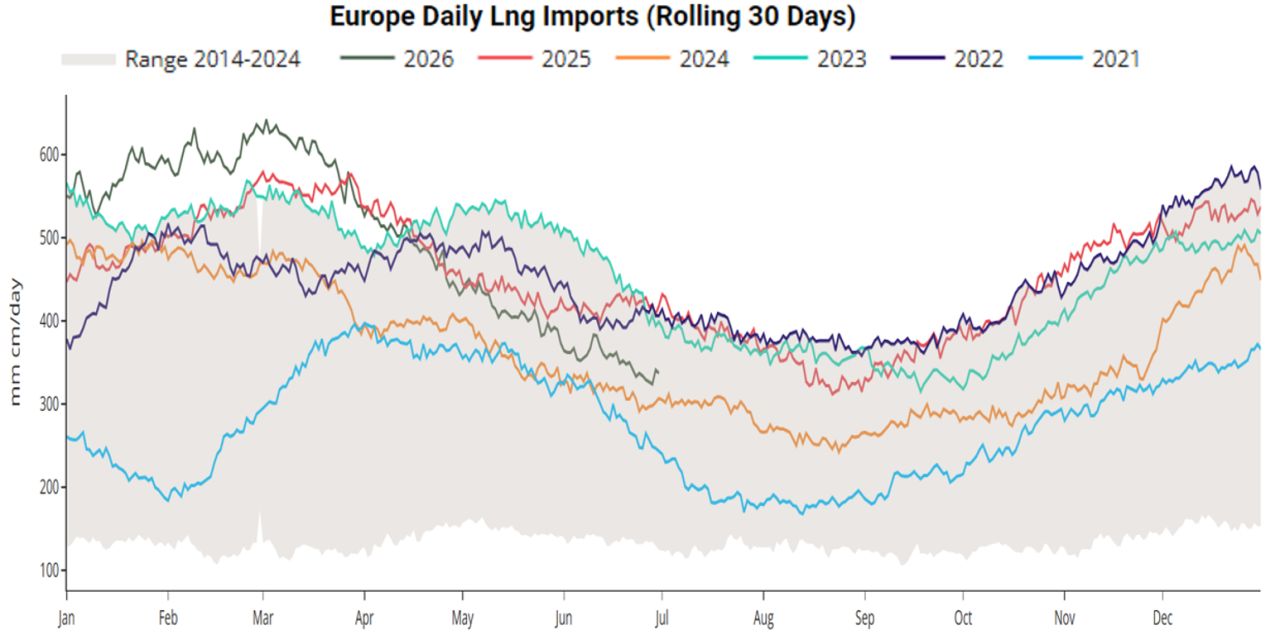
Rather than showing extreme LNG dependency or severe supply stress, the Netherlands adjusts flows dynamically across interconnected markets. LNG demand increases only moderately, while Norwegian inflows remain substantial despite reduced supply availability.
At the same time, exports to Germany decline significantly, suggesting that gas is retained within the Dutch system or redirected elsewhere. Meanwhile, exports to Belgium and the UK rise, reinforcing the Netherlands’ role in supporting neighbouring markets during tighter conditions.
The key takeaway is that the Netherlands functions less as a stressed import market and more as a flexible redistribution hub. As Europe continues to rely heavily on LNG and faces ongoing supply uncertainty, that role is becoming increasingly critical to the stability of the broader European gas market.
We use cookies on our website to give you the most relevant experience by remembering your preferences and repeat visits. By clicking “Accept”, you consent to the use of ALL the cookies.
This website uses cookies to improve your experience while you navigate through the website. Out of these, the cookies that are categorized as necessary are stored on your browser as they are essential for the working of basic functionalities of the website. We also use third-party cookies that help us analyze and understand how you use this website. These cookies will be stored in your browser only with your consent. You also have the option to opt-out of these cookies. But opting out of some of these cookies may affect your browsing experience.
Necessary cookies are absolutely essential for the website to function properly. This category only includes cookies that ensures basic functionalities and security features of the website. These cookies do not store any personal information.
Any cookies that may not be particularly necessary for the website to function and is used specifically to collect user personal data via analytics, ads, other embedded contents are termed as non-necessary cookies. It is mandatory to procure user consent prior to running these cookies on your website.