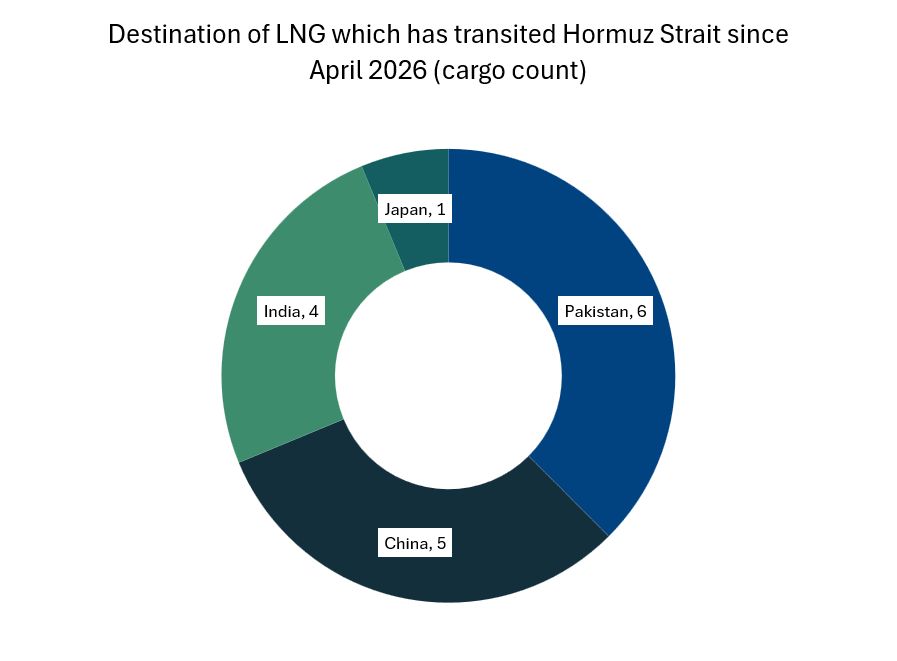
European energy policy is shifting towards homegrown energy and electrification as the latest crisis triggered by the Strait of Hormuz blockade exposes both the bloc’s dependence on imported fuels and the limits of coordinated short-term responses.
The European Commission’s AccelerateEU plan sets out a clear strategic direction: reduce dependence on volatile fossil fuel imports and accelerate the transition to domestic, clean energy sources.
The initiative combines short-term relief measures with longer-term structural changes, including electrification, grid expansion and increased investment in renewables.
However, as Simone Tagliapietra points out, the European Union’s ability to respond in the short term remains constrained.
Energy and fiscal policy largely sit at national level, limiting the Commission’s role to coordination rather than direct intervention.
Measures such as joint gas purchasing, coordinated storage filling and voluntary demand reduction may help at the margins, but their effectiveness ultimately depends on implementation by member states. Recent national responses, including fuel tax cuts, highlight the divergence in approaches across the bloc.
The result is a two-speed response: a clear long-term strategy centred on electrification and energy independence, but a fragmented and largely national approach to managing the immediate crisis.
We use cookies on our website to give you the most relevant experience by remembering your preferences and repeat visits. By clicking “Accept”, you consent to the use of ALL the cookies.
This website uses cookies to improve your experience while you navigate through the website. Out of these, the cookies that are categorized as necessary are stored on your browser as they are essential for the working of basic functionalities of the website. We also use third-party cookies that help us analyze and understand how you use this website. These cookies will be stored in your browser only with your consent. You also have the option to opt-out of these cookies. But opting out of some of these cookies may affect your browsing experience.
Necessary cookies are absolutely essential for the website to function properly. This category only includes cookies that ensures basic functionalities and security features of the website. These cookies do not store any personal information.
Any cookies that may not be particularly necessary for the website to function and is used specifically to collect user personal data via analytics, ads, other embedded contents are termed as non-necessary cookies. It is mandatory to procure user consent prior to running these cookies on your website.