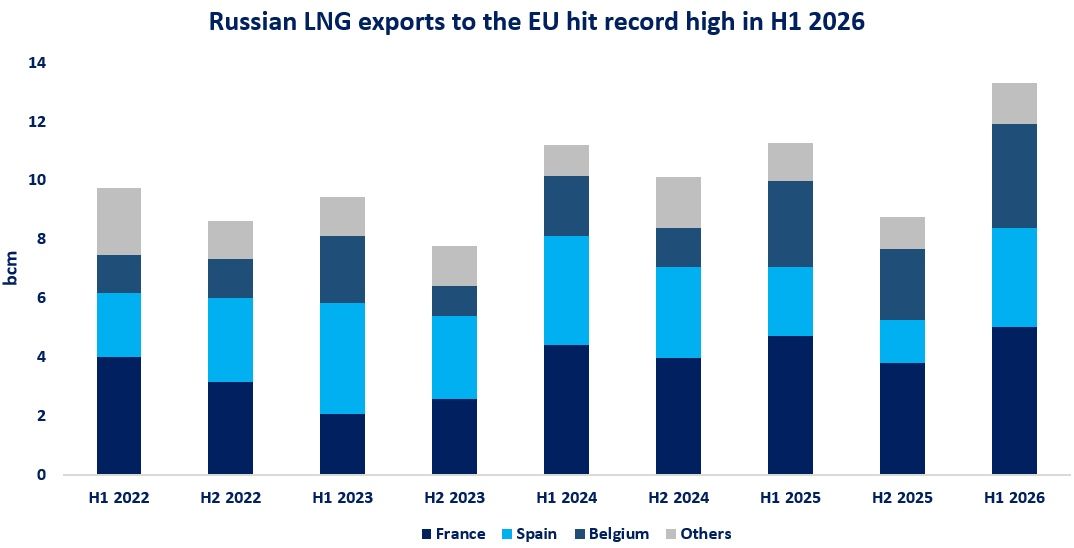
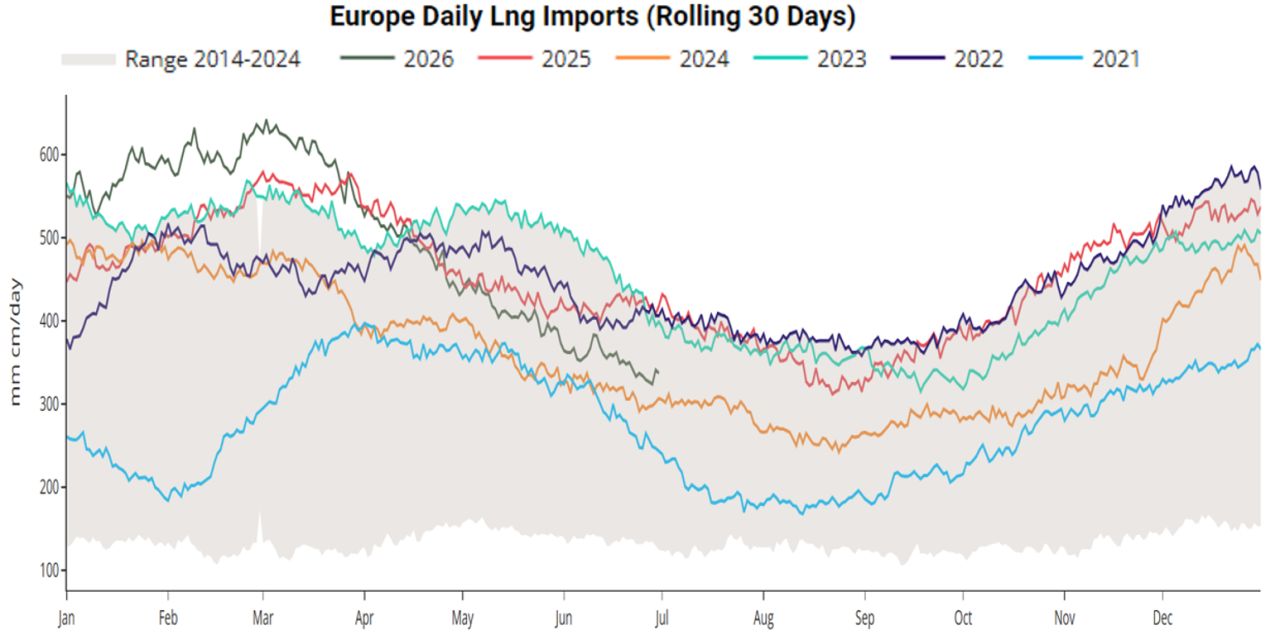
Russian LNG exports to Europe remained resilient in April 2026 despite sanctions pressure and lower overall export volumes, as renewed geopolitical tensions triggered fresh volatility across global gas markets and reinforced Europe’s continued exposure to LNG price shocks.
Russia’s overall fossil fuel export revenues rose 4% month-on-month during April, while LNG revenues jumped by 25% as strong Asian and European demand continued to support cargo flows.
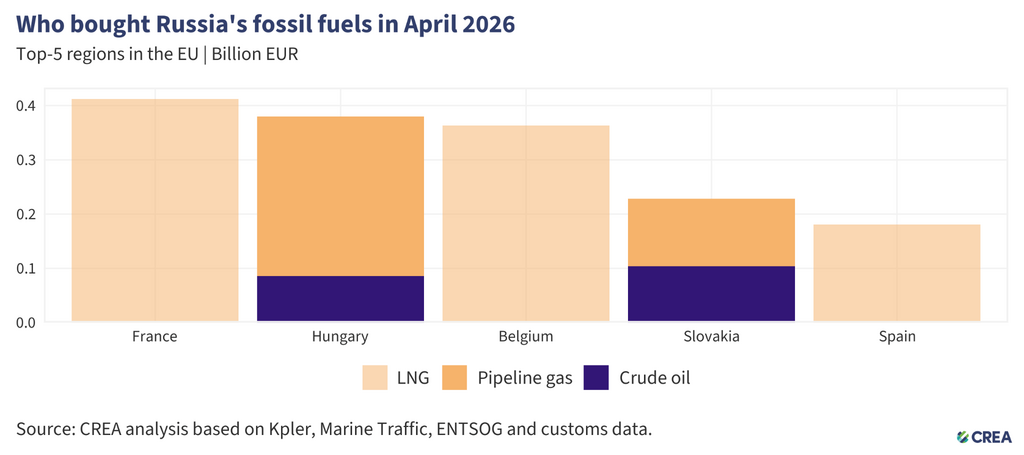
EU member states still accounted for the majority of Russian LNG cargoes arriving during the month, with France remaining the bloc’s largest importer and Belgium also increasing purchases.
At the same time, China and Japan sharply increased imports of Russian LNG, underlining continued global demand for Russian cargoes despite tighter sanctions measures.
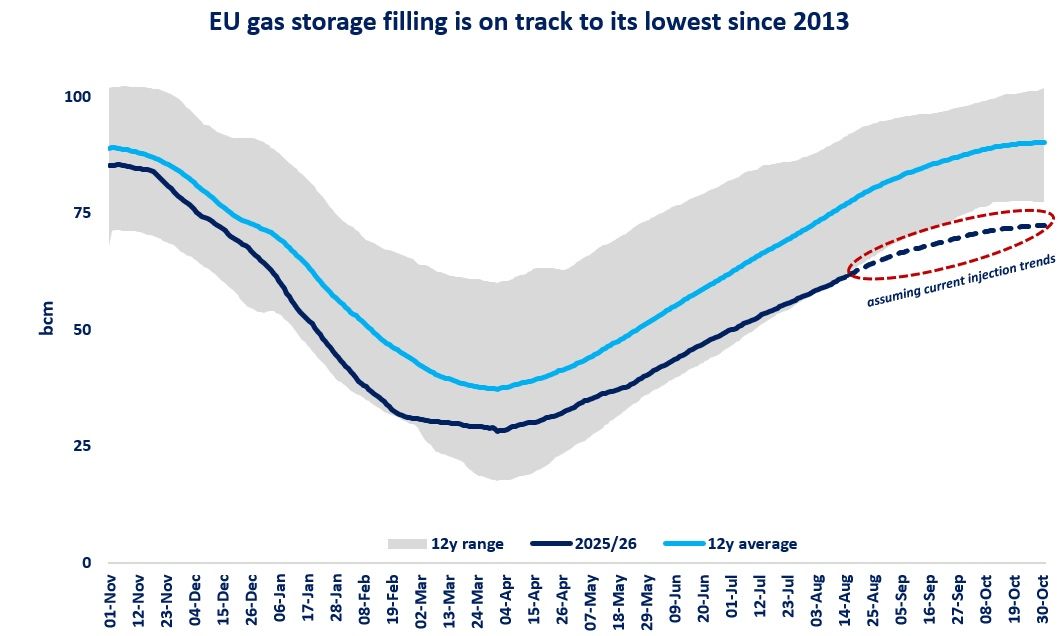
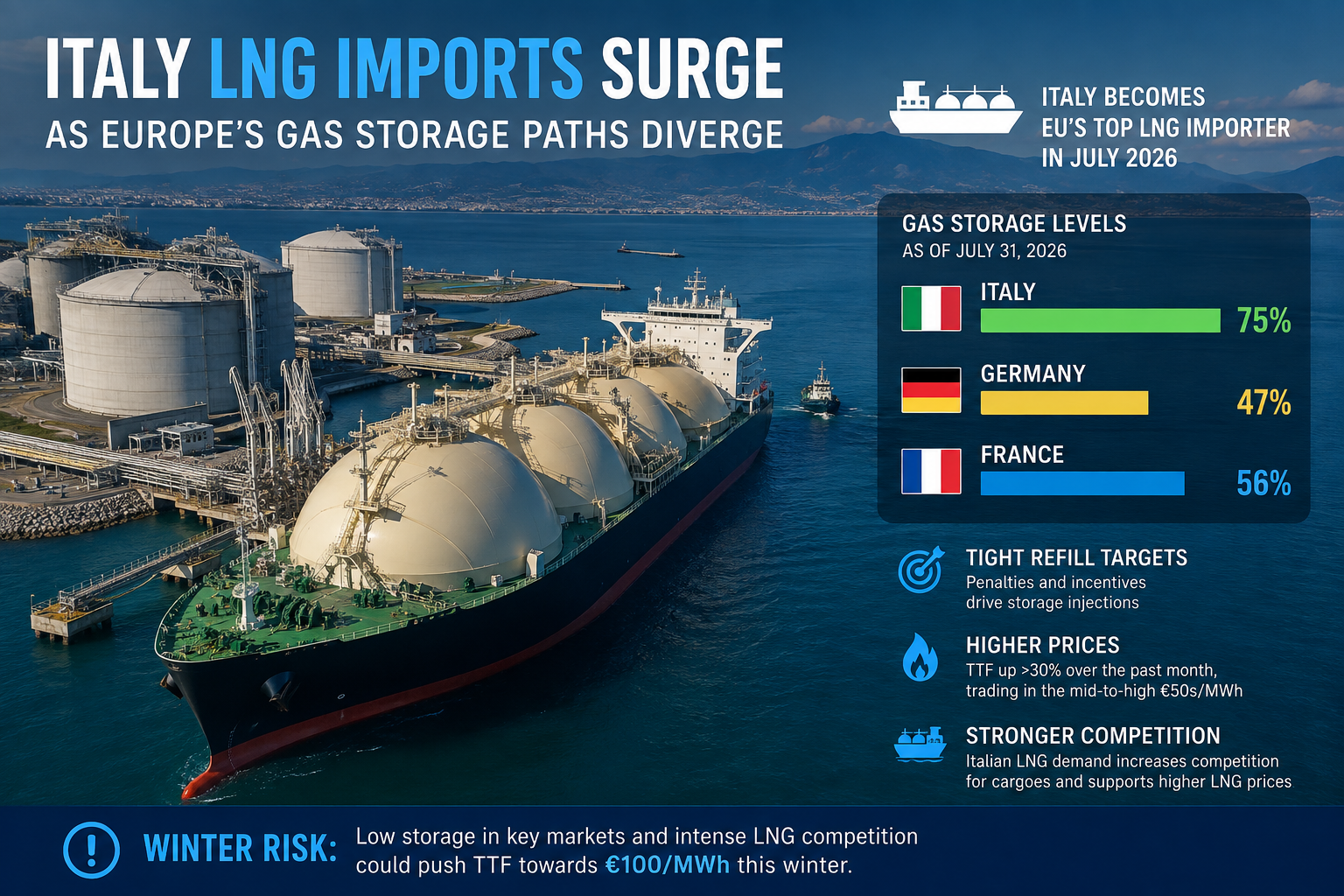
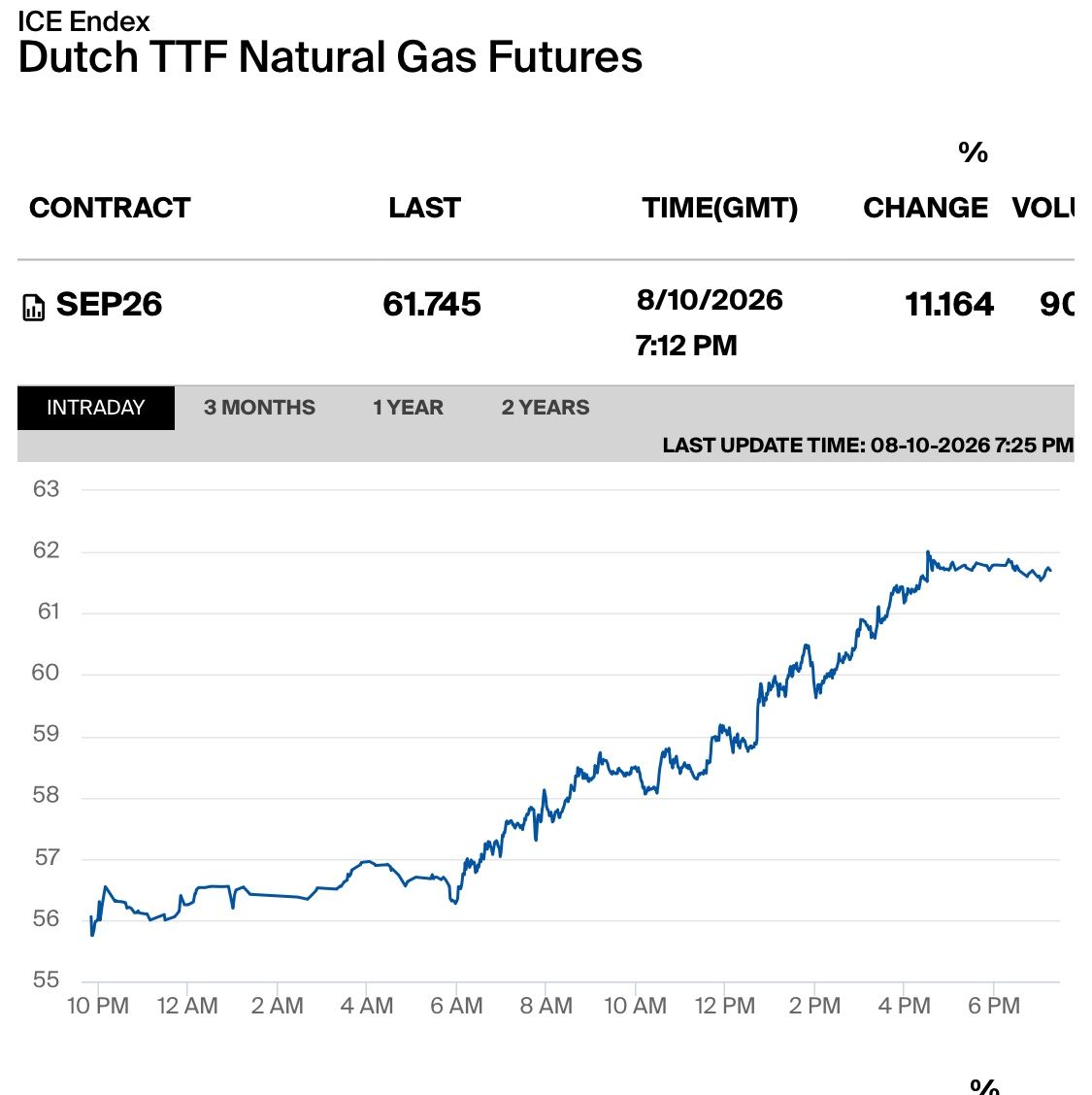
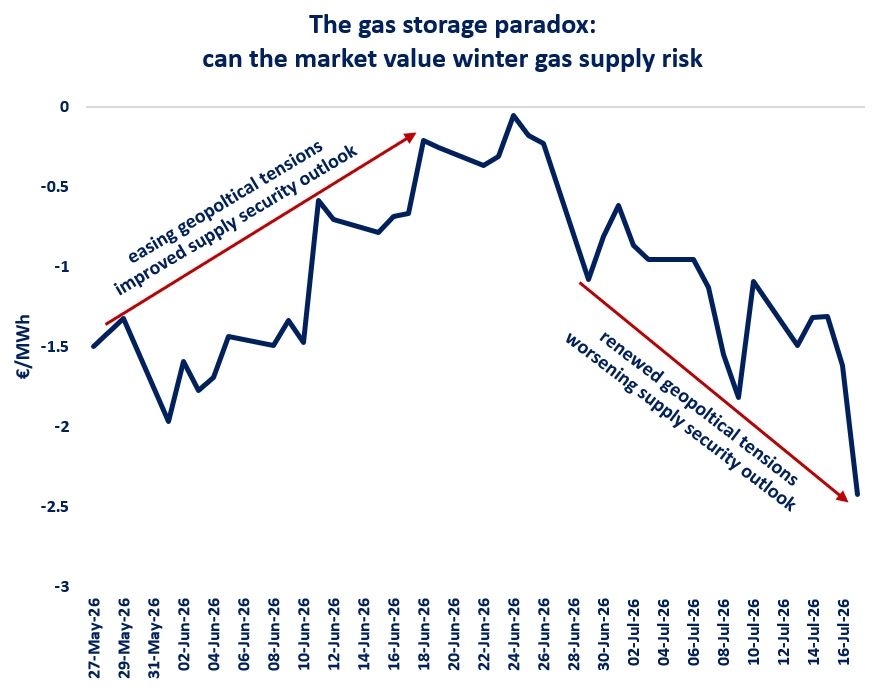
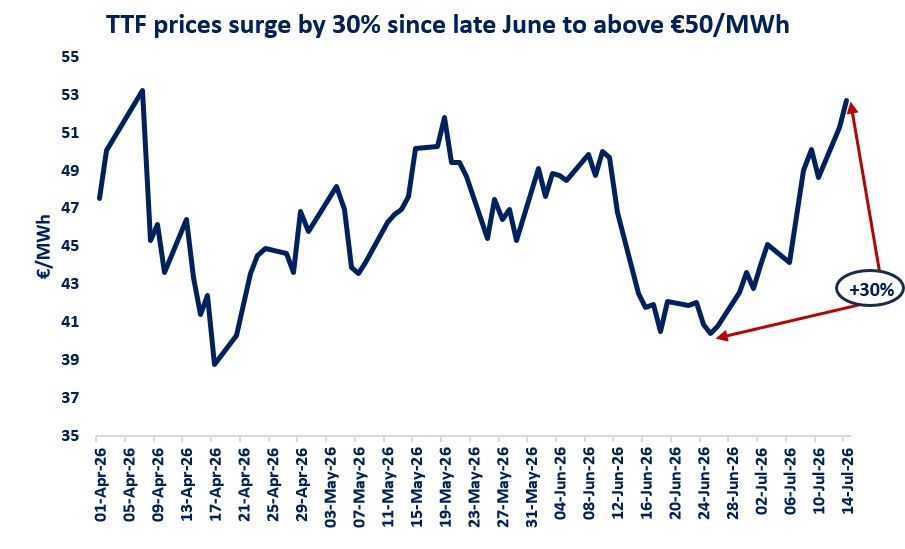
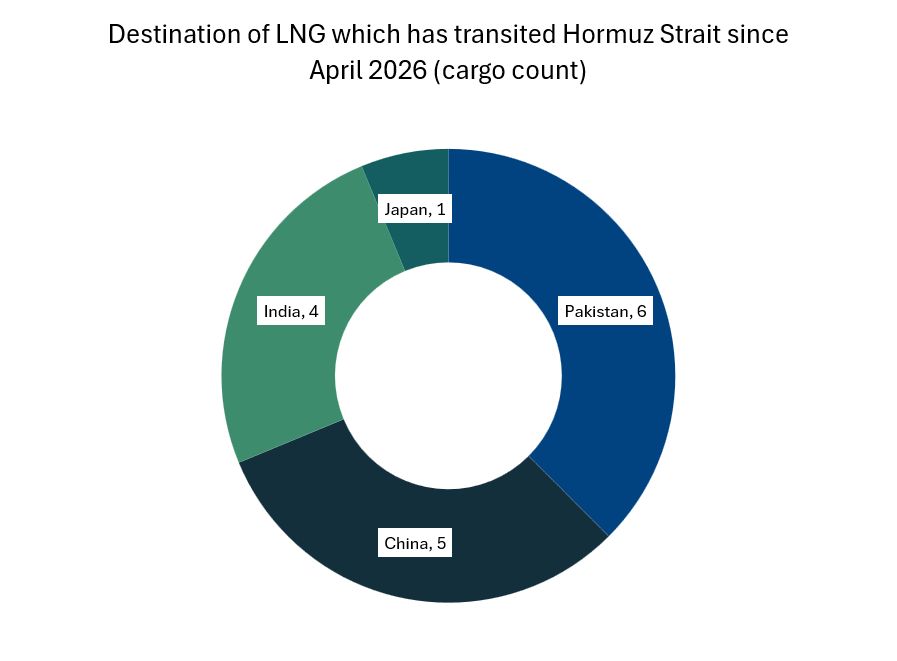
The analysis also points to renewed Middle East tensions and disruptions linked to the Strait of Hormuz as a key driver behind higher European gas prices in recent months.
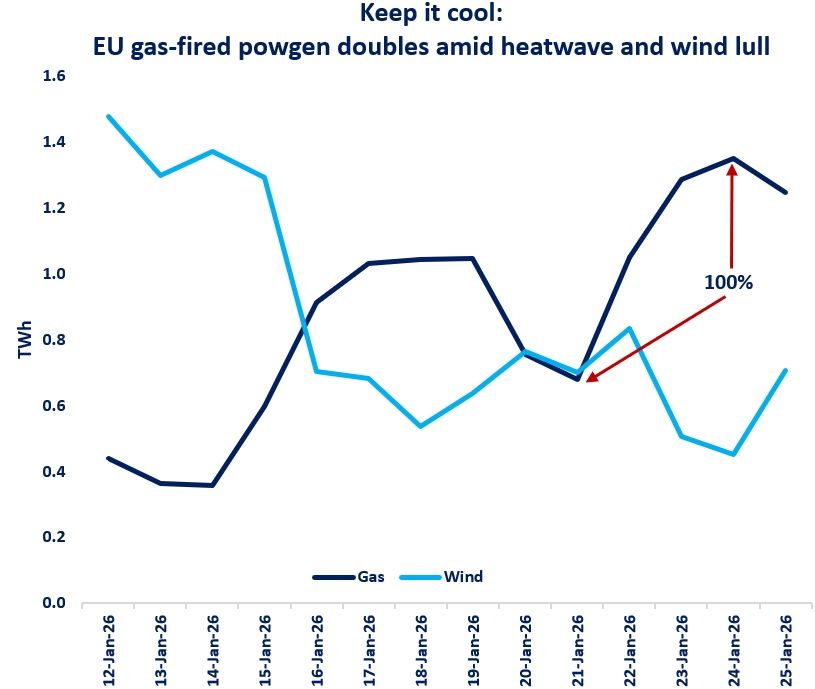
Although Europe remains exposed to LNG market volatility, growing renewable generation is helping reduce sensitivity to gas price shocks compared with the 2022 energy crisis.
Despite ongoing efforts to reduce dependence on Russian energy, the EU remained Russia’s largest LNG buyer in April 2026, highlighting the continued role of Russian gas in the European market.
We use cookies on our website to give you the most relevant experience by remembering your preferences and repeat visits. By clicking “Accept”, you consent to the use of ALL the cookies.
This website uses cookies to improve your experience while you navigate through the website. Out of these, the cookies that are categorized as necessary are stored on your browser as they are essential for the working of basic functionalities of the website. We also use third-party cookies that help us analyze and understand how you use this website. These cookies will be stored in your browser only with your consent. You also have the option to opt-out of these cookies. But opting out of some of these cookies may affect your browsing experience.
Necessary cookies are absolutely essential for the website to function properly. This category only includes cookies that ensures basic functionalities and security features of the website. These cookies do not store any personal information.
Any cookies that may not be particularly necessary for the website to function and is used specifically to collect user personal data via analytics, ads, other embedded contents are termed as non-necessary cookies. It is mandatory to procure user consent prior to running these cookies on your website.