
Gas-fired generation remains a key driver of electricity prices across Europe, leaving households and industry exposed to volatility in global gas markets. This analysis argues that despite rapid growth in renewable energy, gas-fired power plants continue to set wholesale power prices in many European markets, with countries such as Italy, Ireland and the UK among the most exposed to higher electricity bills.
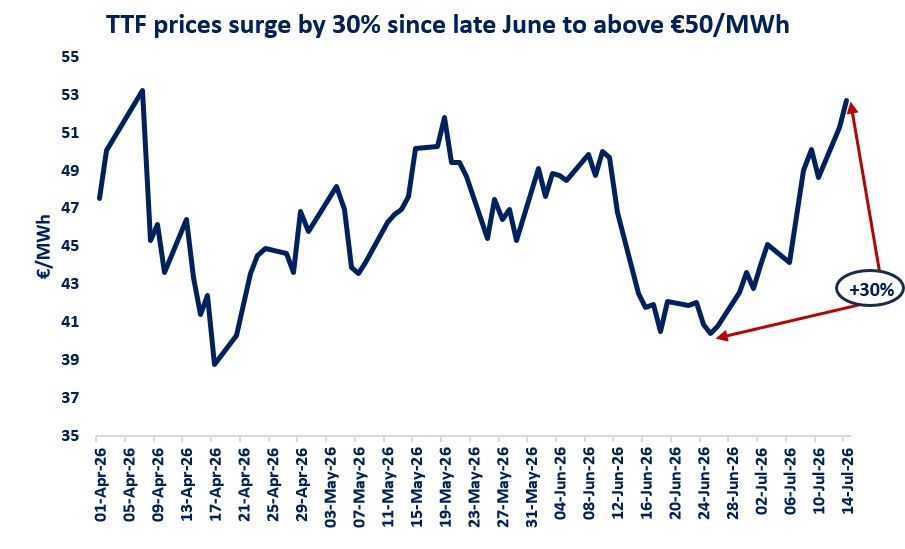
The latest analysis from the Institute for Energy Economics and Financial Analysis (IEEFA) highlights how developments in global gas and LNG markets can quickly feed through into European electricity prices.
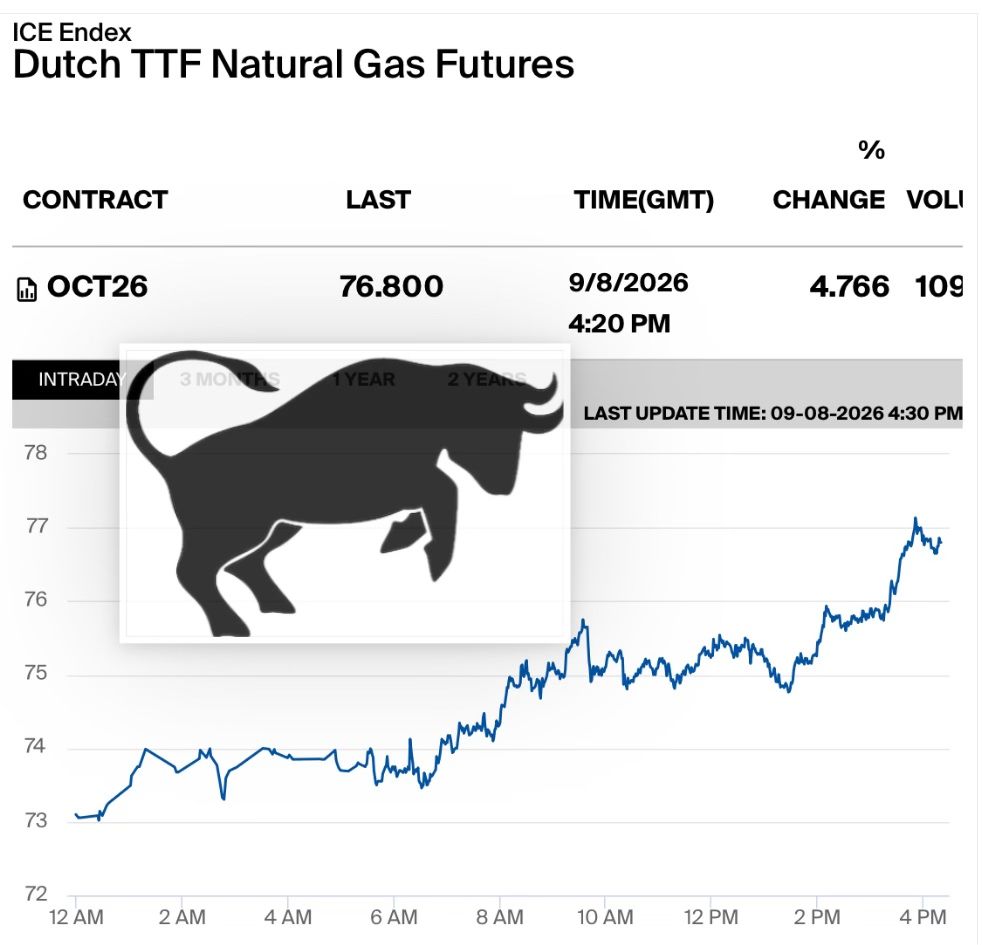
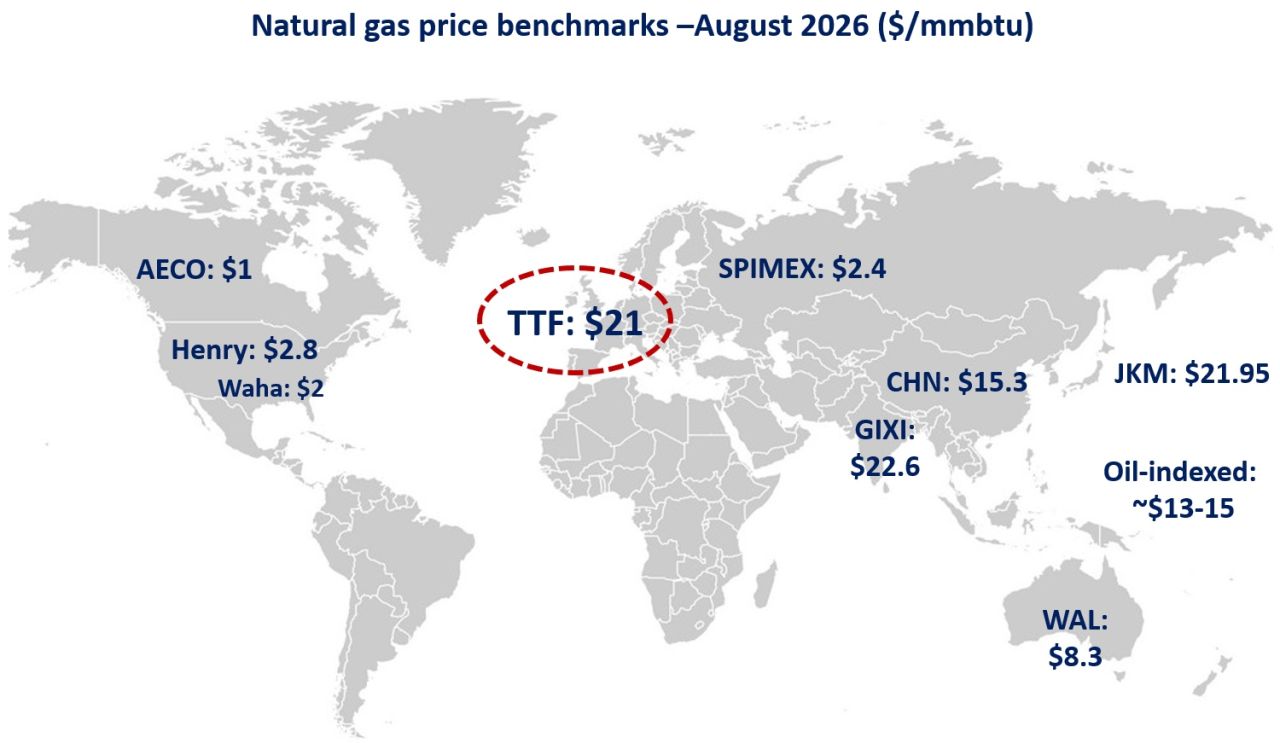
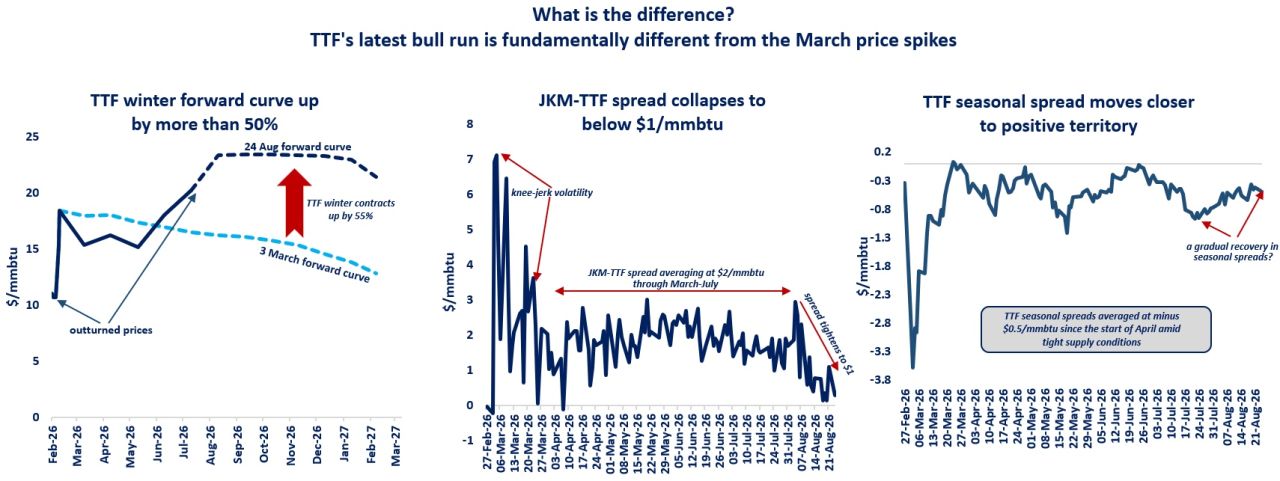
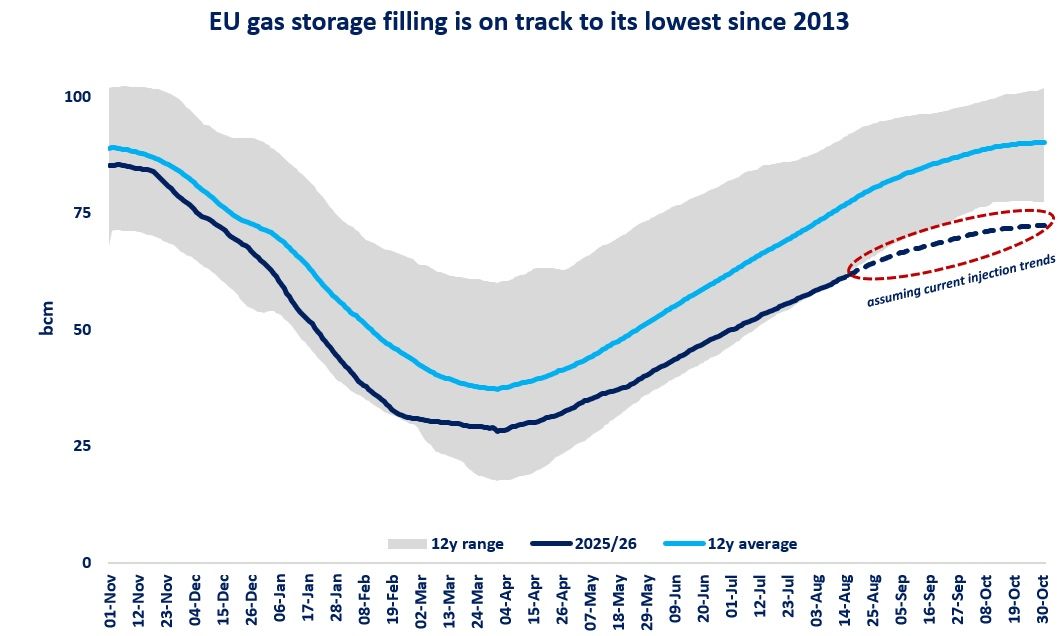
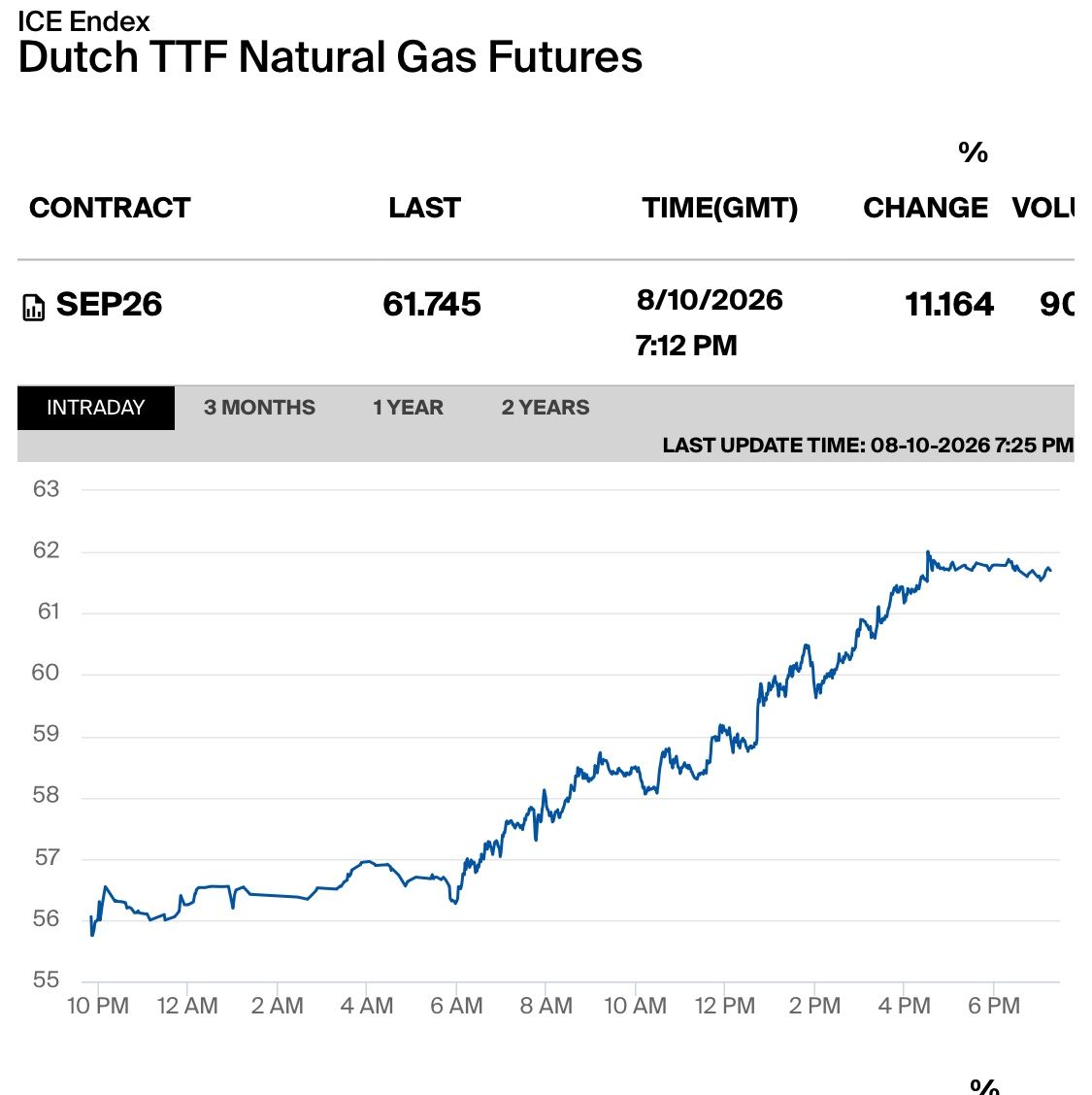
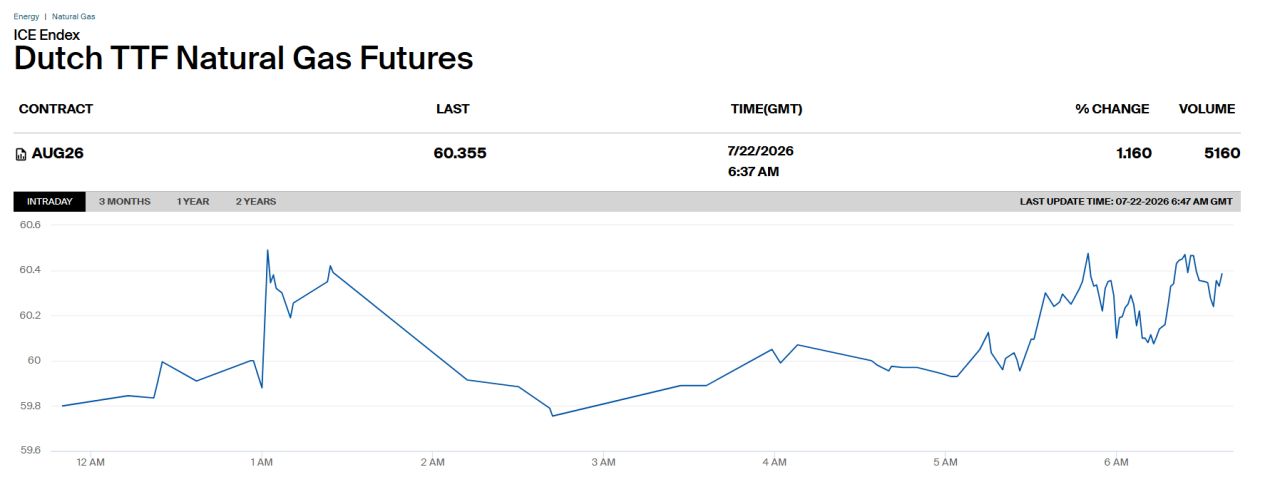
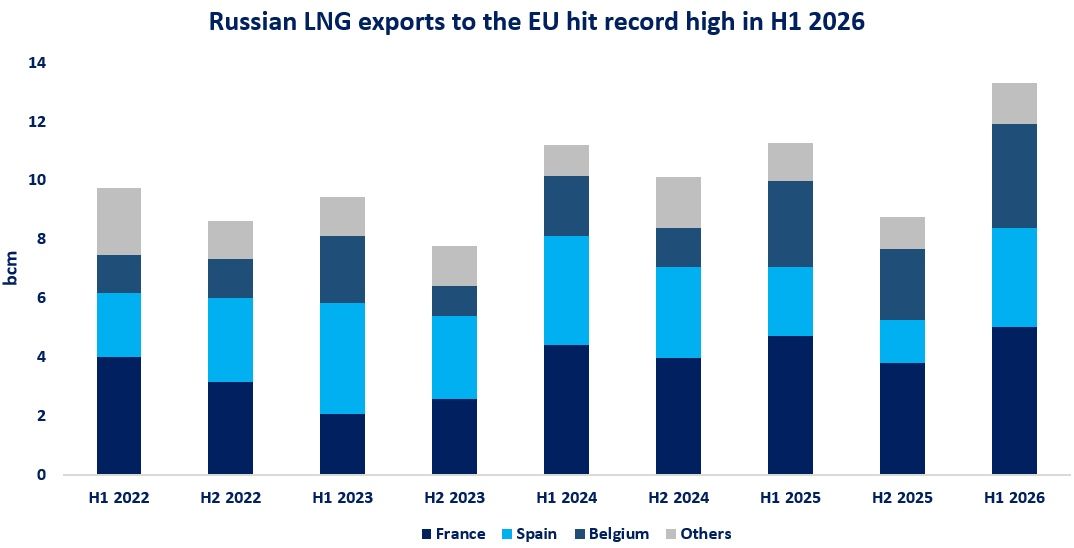
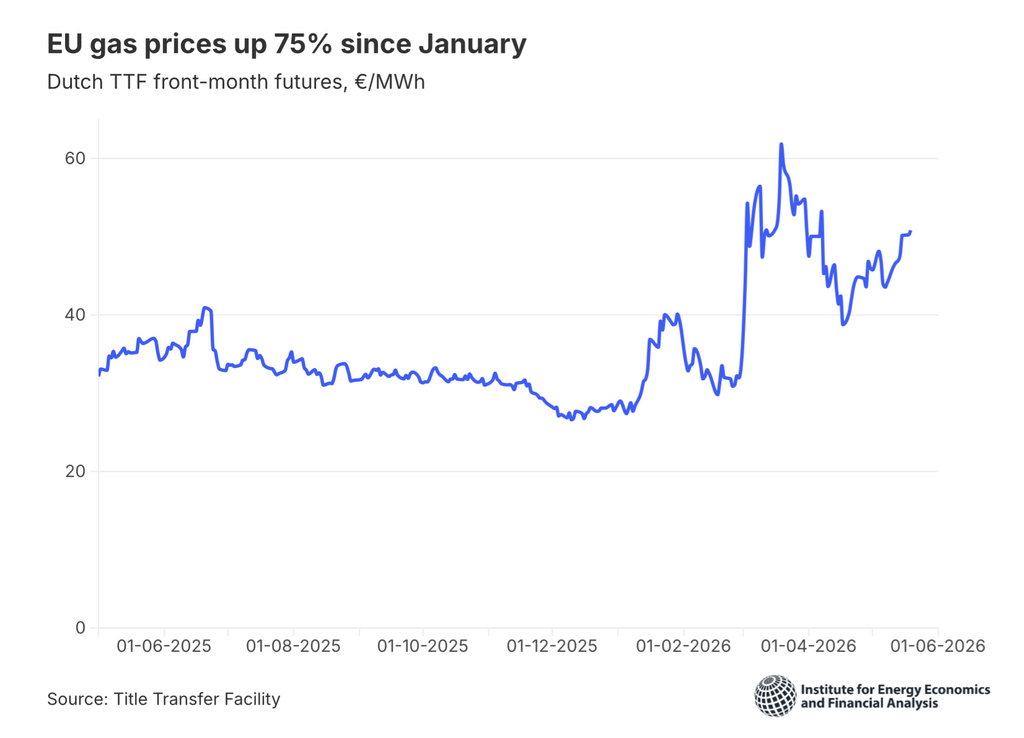
The author points to the continued importance of the Dutch TTF benchmark and Europe’s growing dependence on LNG imports, noting that disruptions affecting global LNG trade can have direct consequences for European consumers.
According to the analysis, a sustained increase in wholesale electricity prices of around 60% could add between €80 and €100 annually to the average European household electricity bill, with the impact varying significantly between countries.
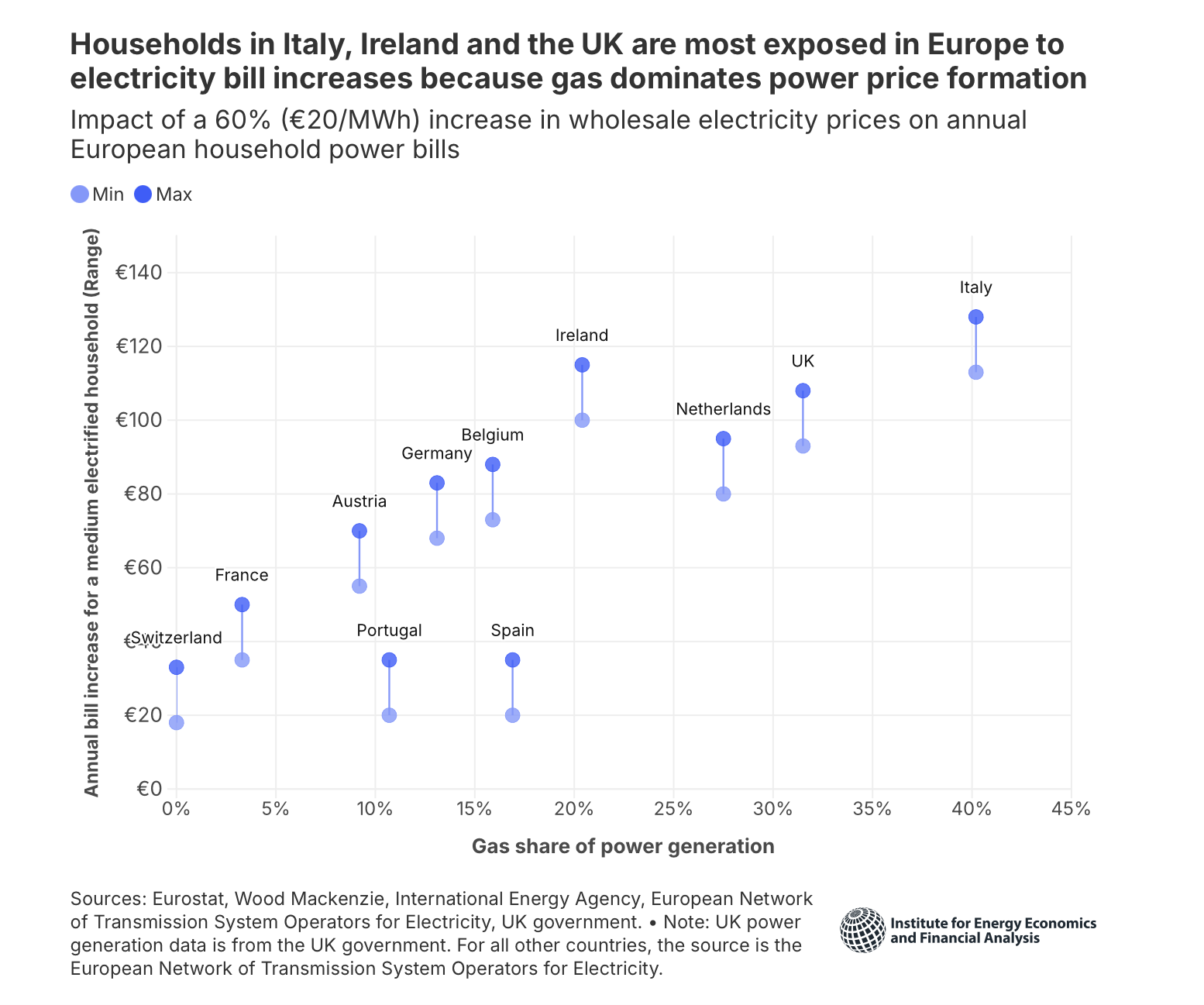
Markets where gas-fired generation plays a larger role in power price formation are the most exposed. Italy, Ireland and the UK emerge as the most vulnerable, while countries with greater reliance on nuclear, hydropower or renewable energy tend to be less affected.
The report argues that Europe’s energy transition has reduced dependence on Russian pipeline gas but has not fundamentally changed the way electricity prices are formed.
Gas-fired power stations continue to provide essential flexibility and backup generation when renewable output is insufficient. As a result, gas often remains the marginal fuel that determines wholesale power prices.
IEEFA contends that the challenge is not primarily one of market design, but rather the continued reliance on gas-fired generation to balance electricity systems.
The report argues that greater investment in battery storage, demand-side flexibility and other forms of system flexibility would reduce the frequency with which gas plants set power prices and help shield consumers from future gas market shocks.
The findings contribute to a growing debate across Europe about the future role of gas-fired generation. While gas remains a critical source of flexibility and security of supply, policymakers are increasingly examining how storage, flexibility services and other technologies can reduce dependence on gas in electricity markets and limit the impact of gas price volatility on consumers.
Source: Institute for Energy Economics and Financial Analysis (IEEFA)