The ongoing pause in LNG trade via the Strait of Hormuz is creating a deepening global LNG supply crisis, the magnitude of which remains highly uncertain and ultimately tied to the duration of the conflict between the U.S., Israel and Iran, as well as on the form of its potential resolution.
A rapid reduction in global supply is inevitably causing a response in global consumption, with the most price-sensitive Asian markets already taking steps to minimise energy consumption and some industrial users beginning to see curtailments in supply.
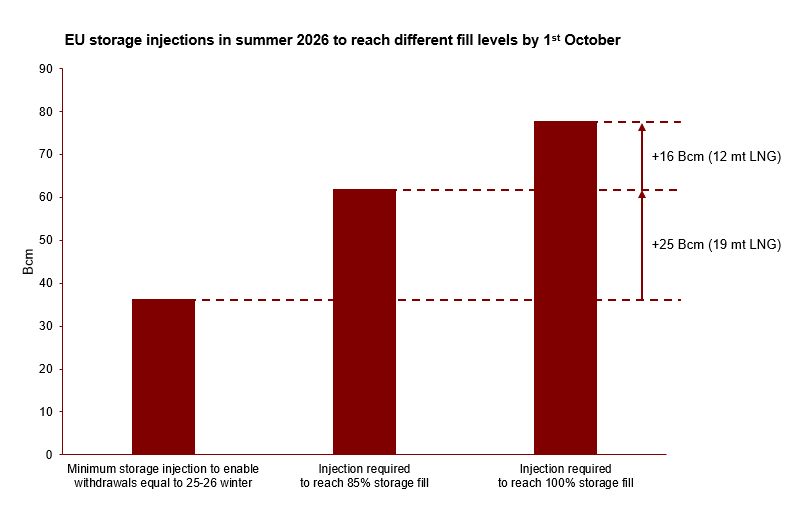
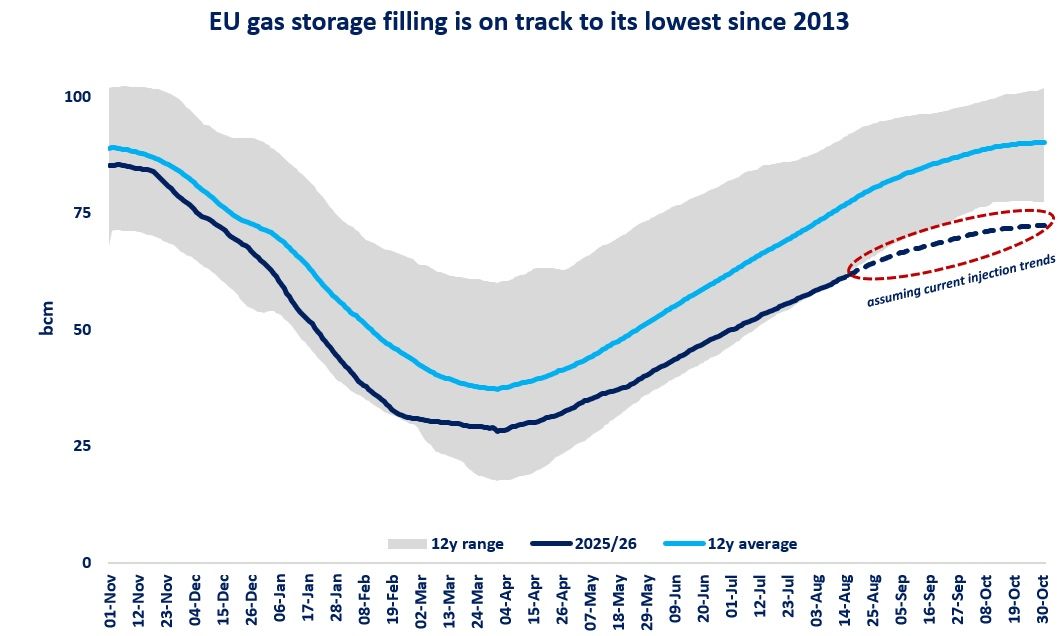
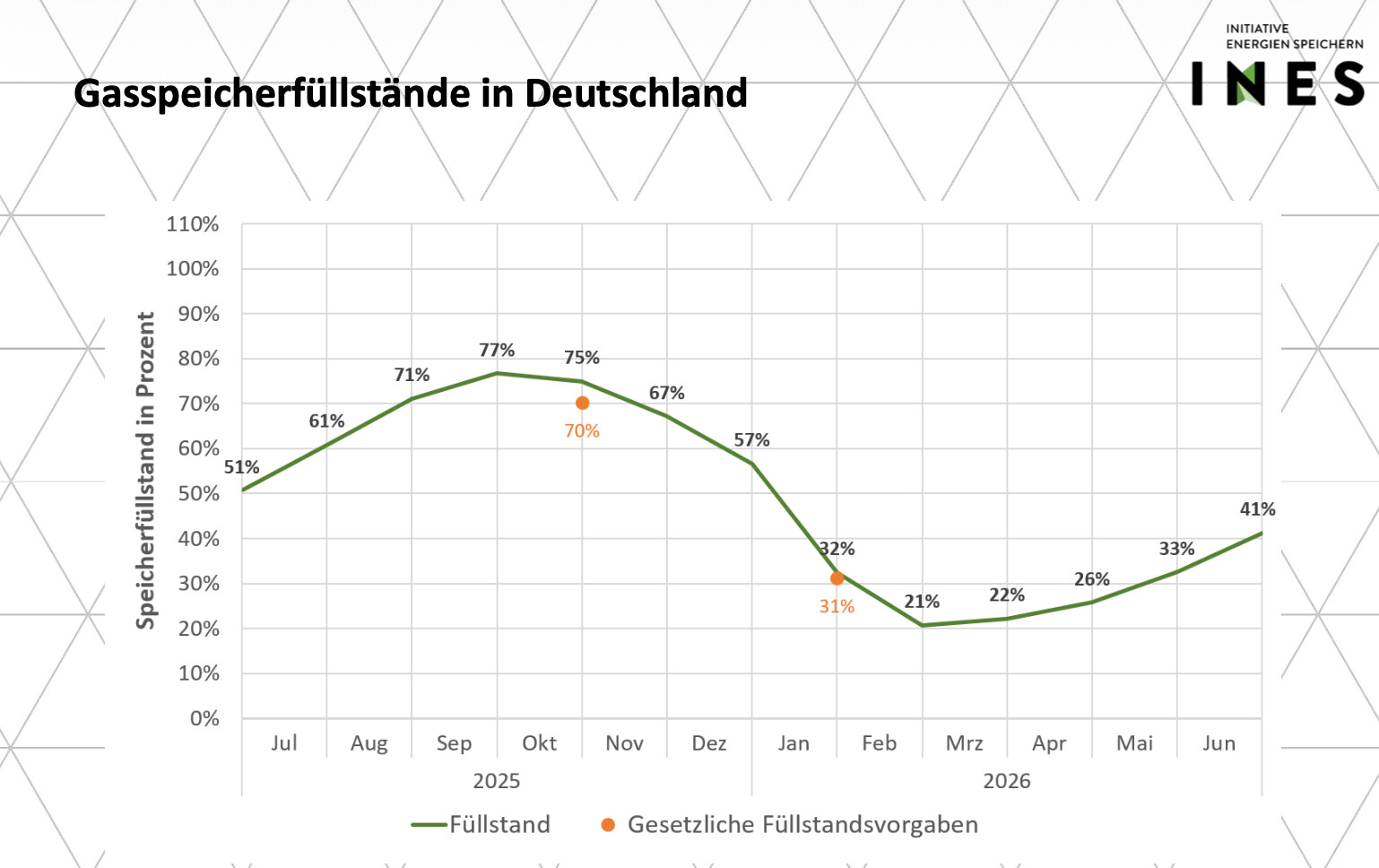
A key variable in setting the magnitude of the global LNG supply shortfall will be the rate of EU storage injections throughout the 2026 summer. The chart below shows that there is a difference of over 30 mt of LNG between the minimum and maximum level of storage injections possible.
Obviously the top and bottom of this range are highly unlikely to be realistic outcomes given present market conditions, but this gives a sense of the magnitude of the swing in global demand that policy decisions at the EU level could cause in an already tight market.
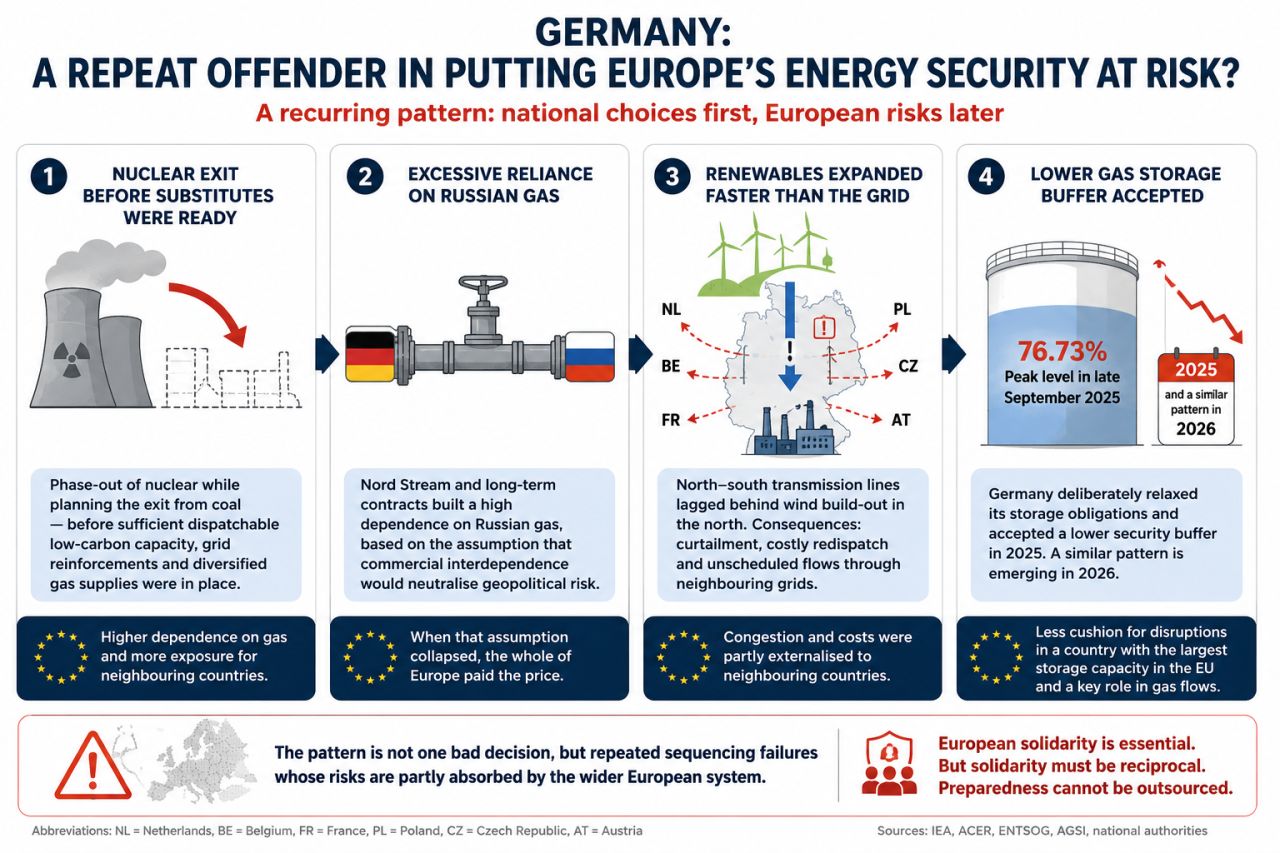
This is further reinforced by the fact that the ongoing LNG supply crisis is likely to put the decision of the level of storage injections in the coming summer out of the hands of the market and firmly into the hands of EU policymakers.
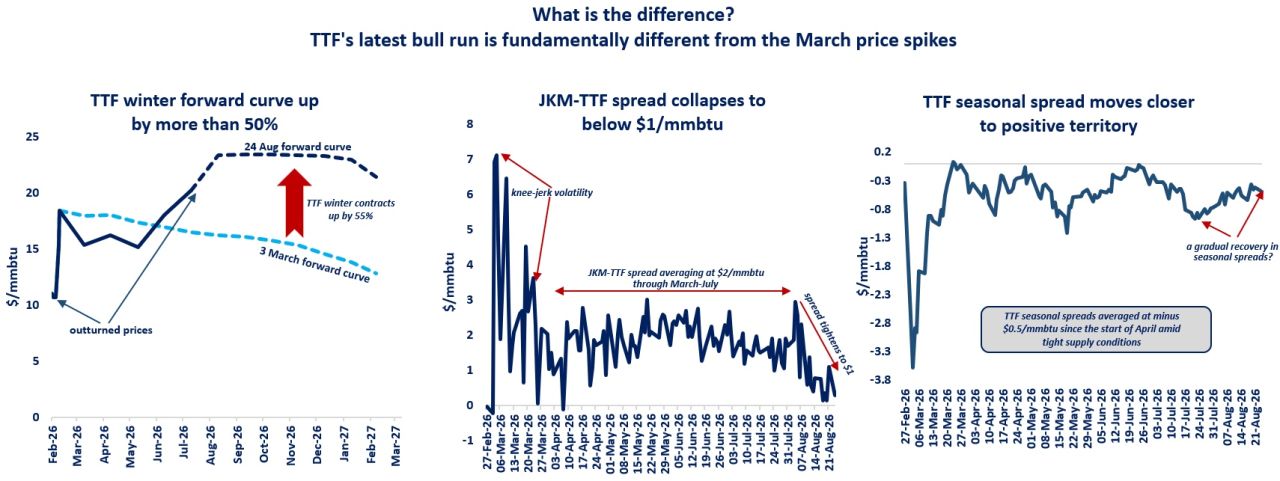
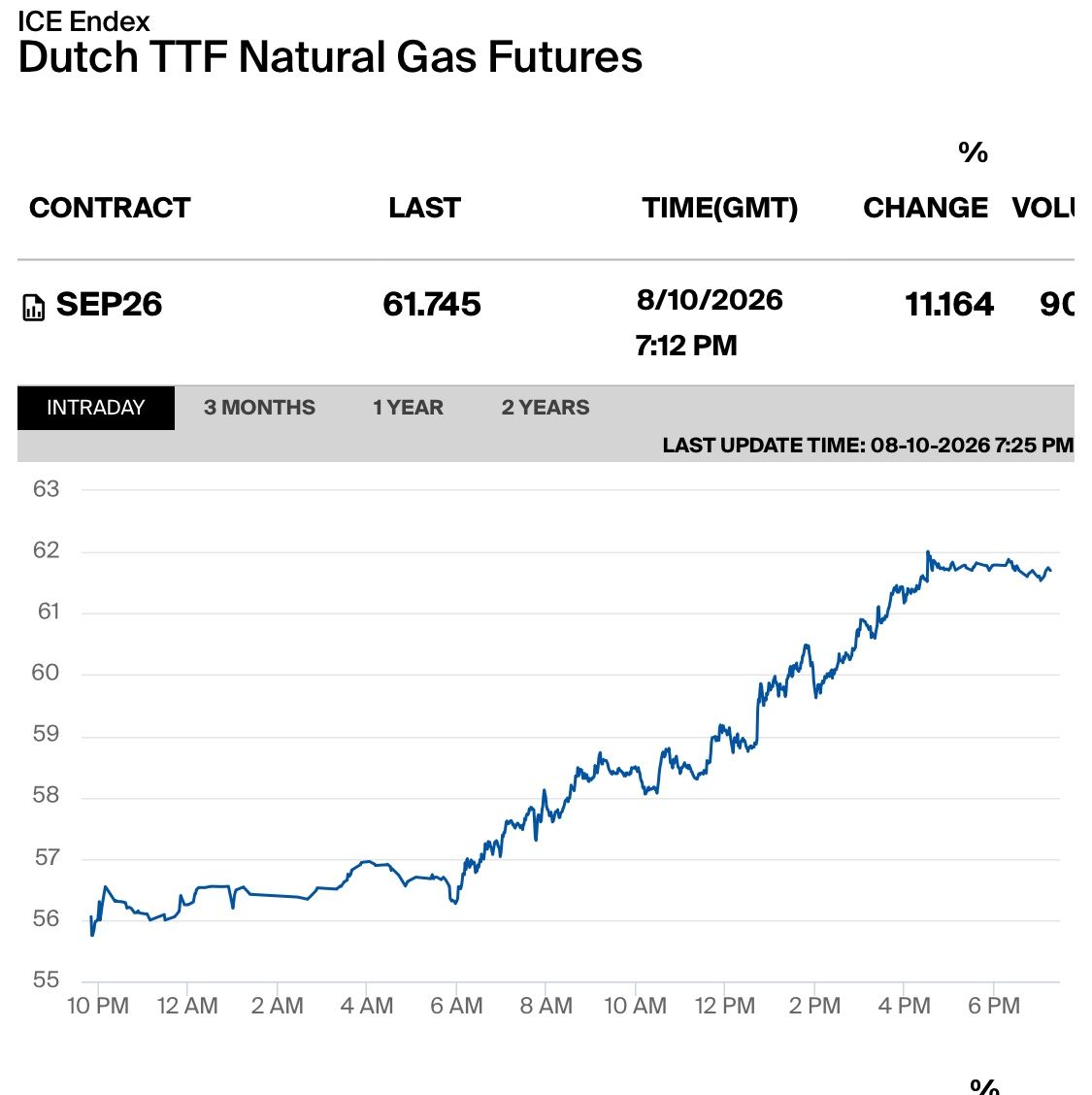
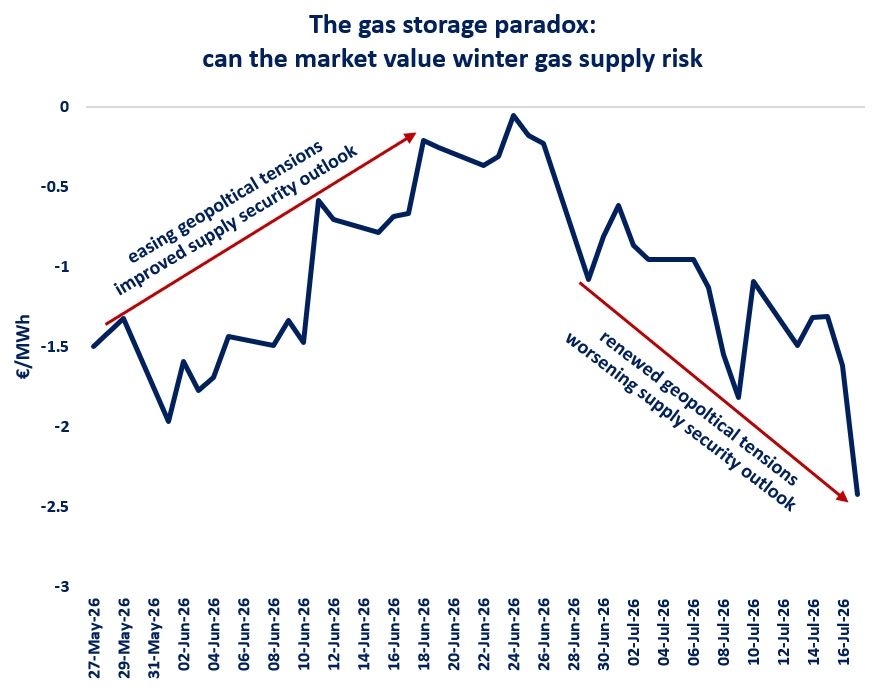
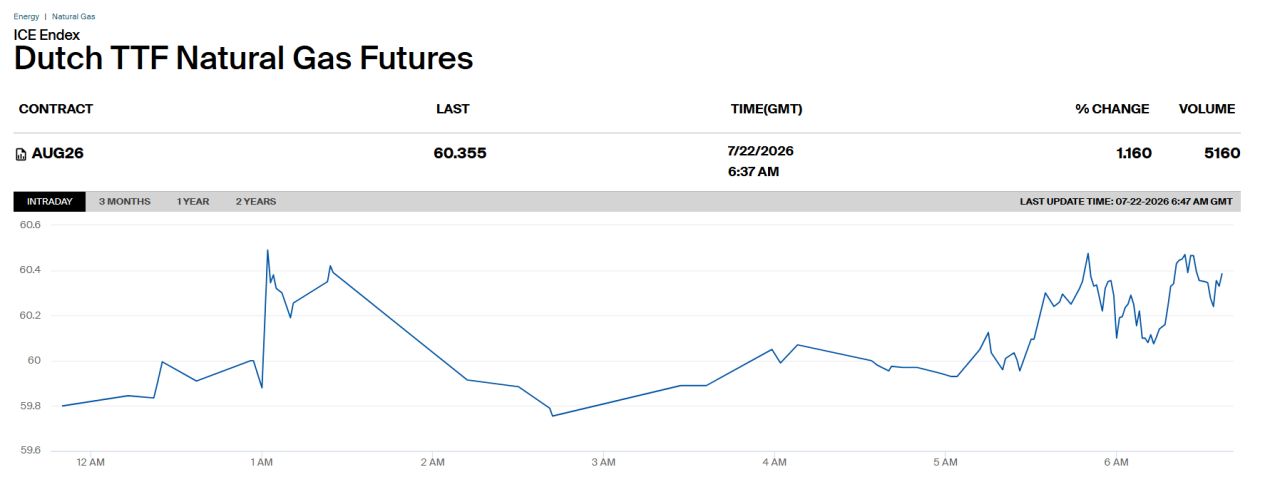
A sharp rise in short-term market prices and significant uncertainty over the duration of the conflict are likely to reverse the seasonal price differentials that would be required to stimulate storage injections.
EU policy action – either through the enforcement of strict storage targets or through economic incentives for storage injections – will therefore be required to set the level of total injections over the coming months, in the event that disruptions to Middle Eastern LNG exports continue.
These swings in storage injections will translate directly in changes in EU LNG demand and, in an already exceptionally tight market, will have an oversized impact on prices. EU policymakers will therefore face a choice between:
– pushing for a sustained rate of high storage injections in the first months of the summer, improving security of supply and market stability in the second half of the year at the cost of weeks or months of exceptionally high prices; or
– mitigate the short-term impact on prices in the hope that the disruption is resolved rapidly, potentially risking more volatility later in the year, especially if the supply crisis reaches into the end of the summer
These decisions will have to be made in an environment of high uncertainty and market volatility, and policy priorities may change in response to changes in the outlook for the war.
Crucially, these policy decisions by the EU will have a material impact on other buyers that now find themselves with significant exposure to the spot market, representing for them another uncontrollable source of uncertainty.
Source: Giovanni BETTINELLI (Linkedin)