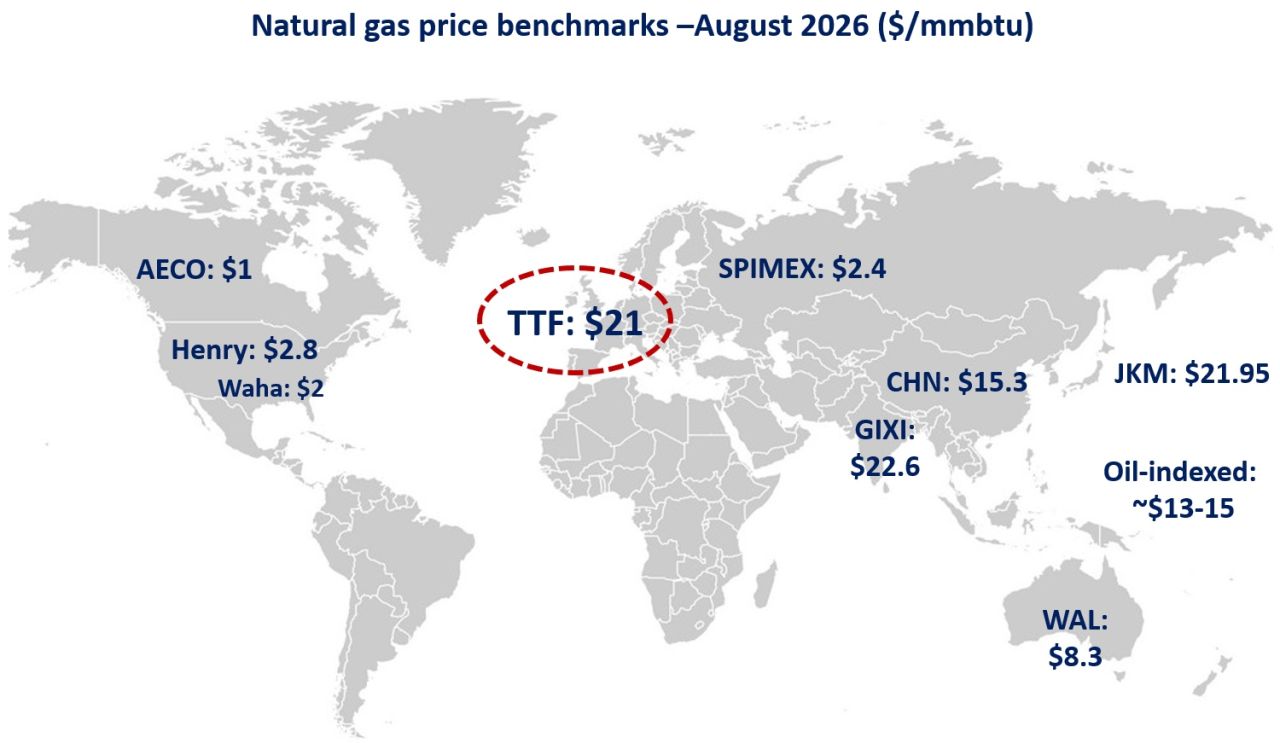
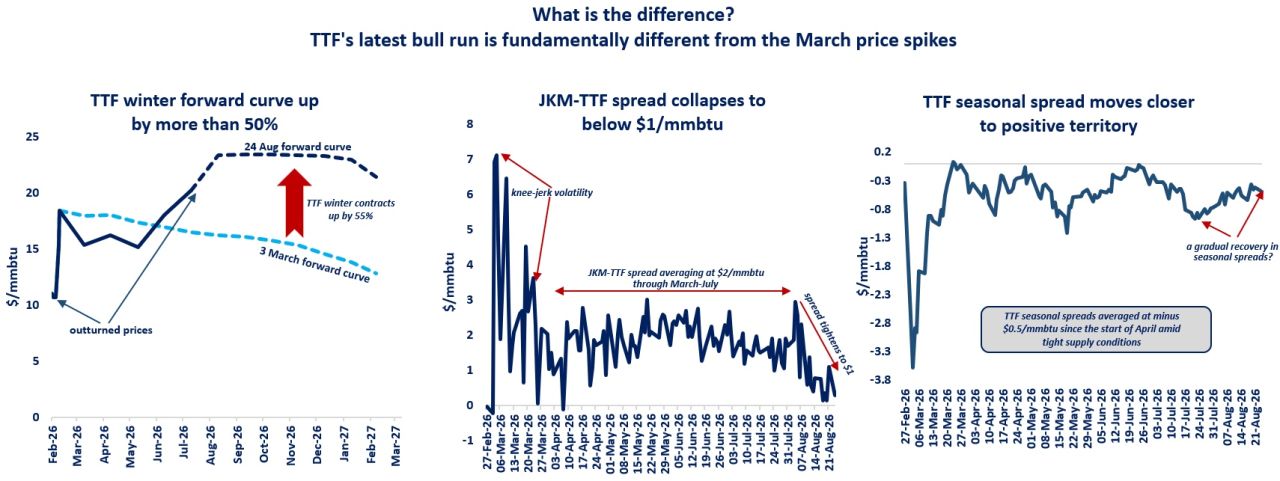
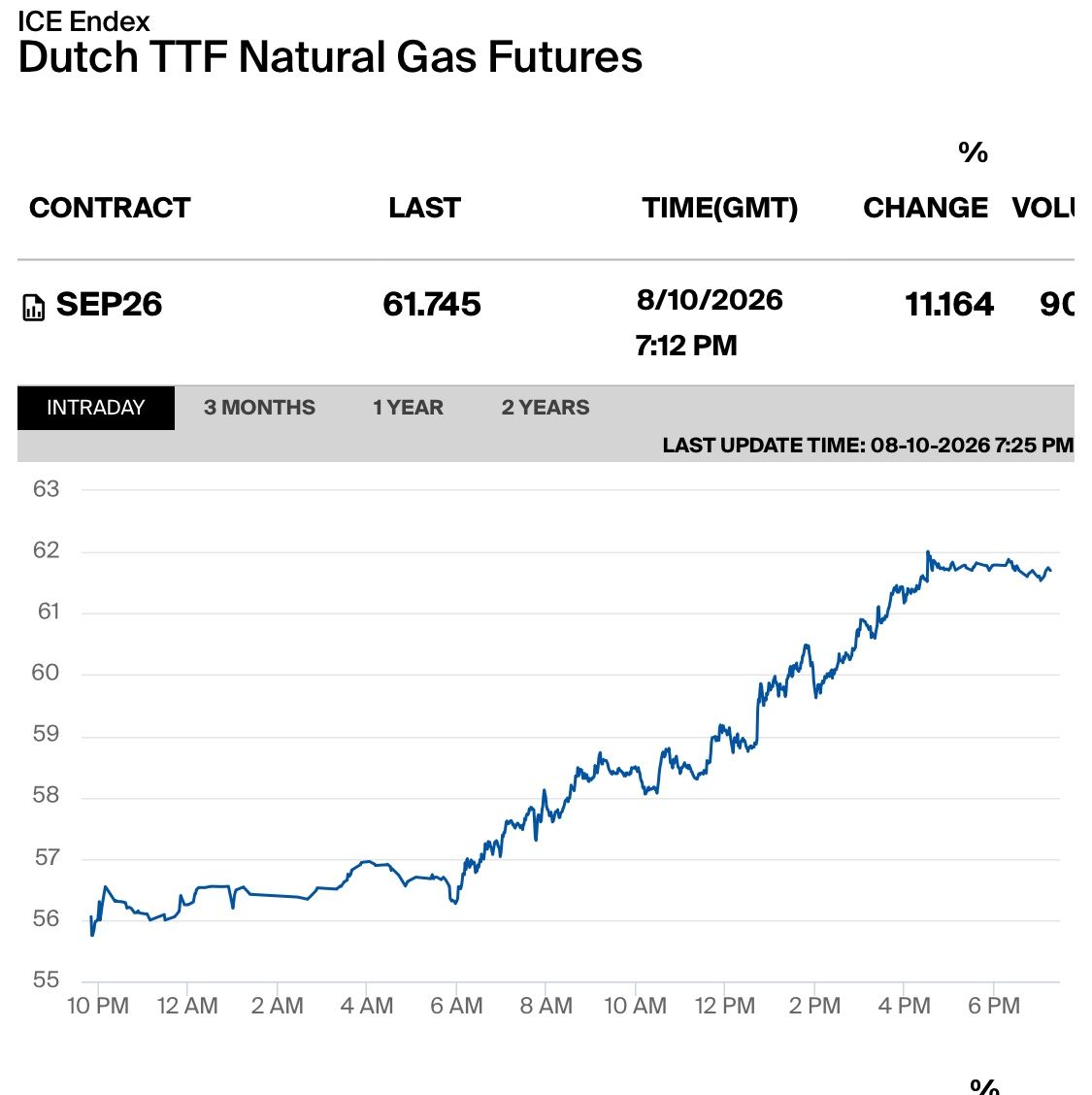
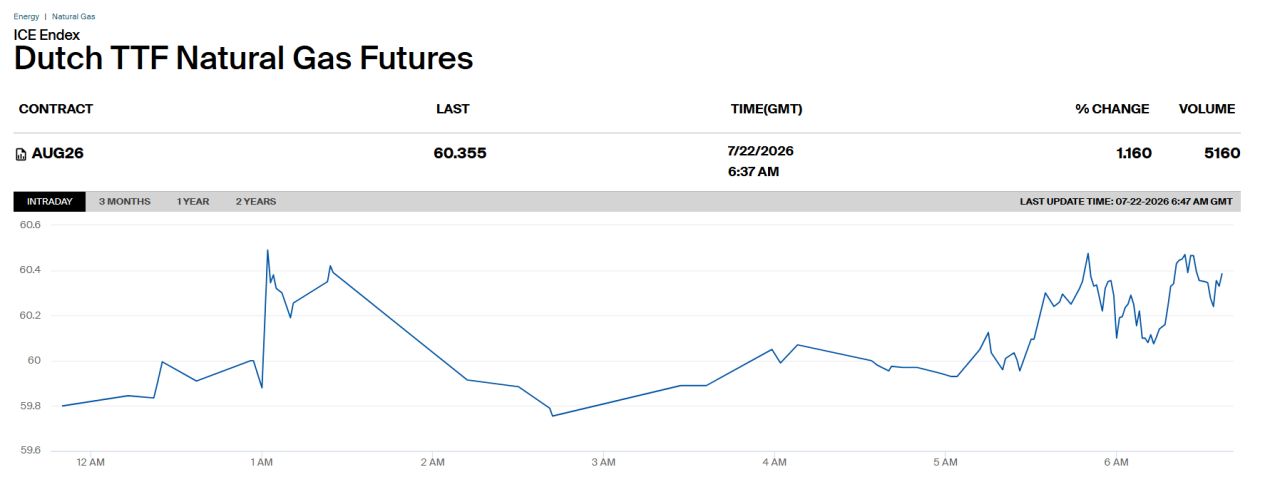
European gas market continues to act as the global balancing market, absorbing the largest share of LNG supply reductions during periods of tight supply.
Just over one month from the halt to LNG trade via the Strait of Hormuz, we can start assessing which markets are playing the largest role in absorbing the reduction in global supply.
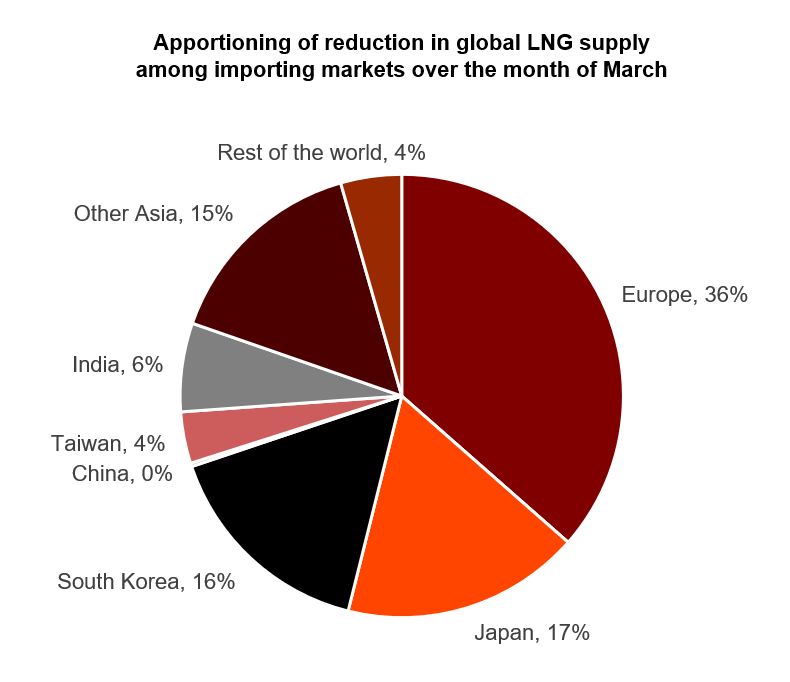
The chart below has been produced by comparing the destinations declared by LNG carriers departed from export terminals in the 29 days before and after the closure of the Strait of Hormuz, based on Vortexa data.
This analysis shows that reductions in imports in Europe, Japan and South Korea appear to have absorbed 70% of the month-on-month reduction in global supply. Note, however, that many of the cargoes departed in March are still on the water and could change destination, so these numbers may change slightly.
Nevertheless, this is significant, as it once again demonstrates how buyers from the world’s largest markets (especially Europe), appear to continue hesitating in purchasing cargoes from the spot market. This is likely to have played an important role in limiting the effect of the deepening global supply crisis on European gas prices, but it is unlikely to be sustainable for long.
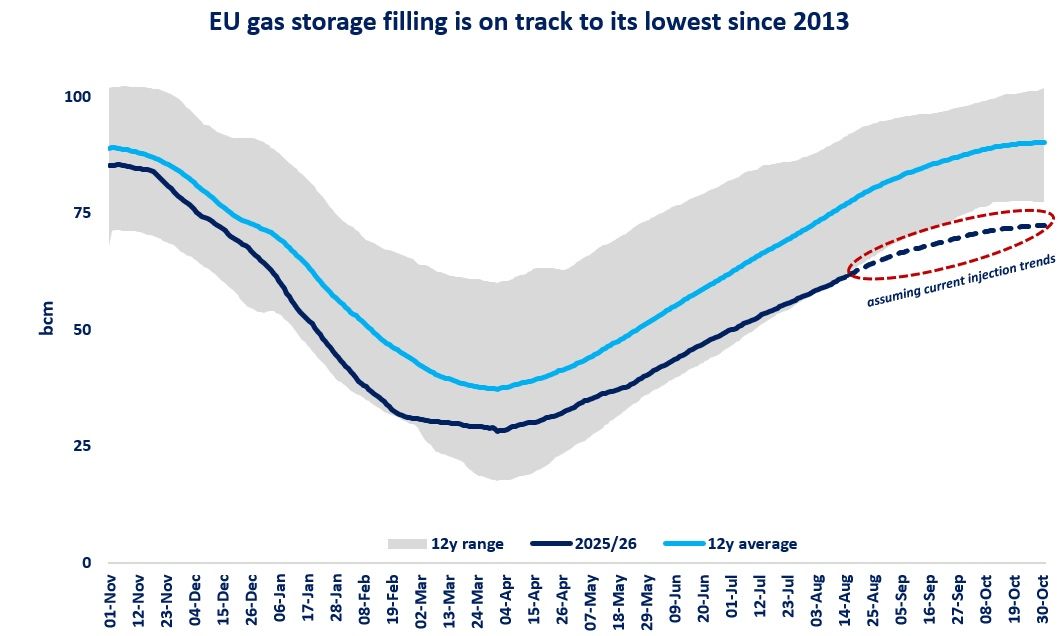
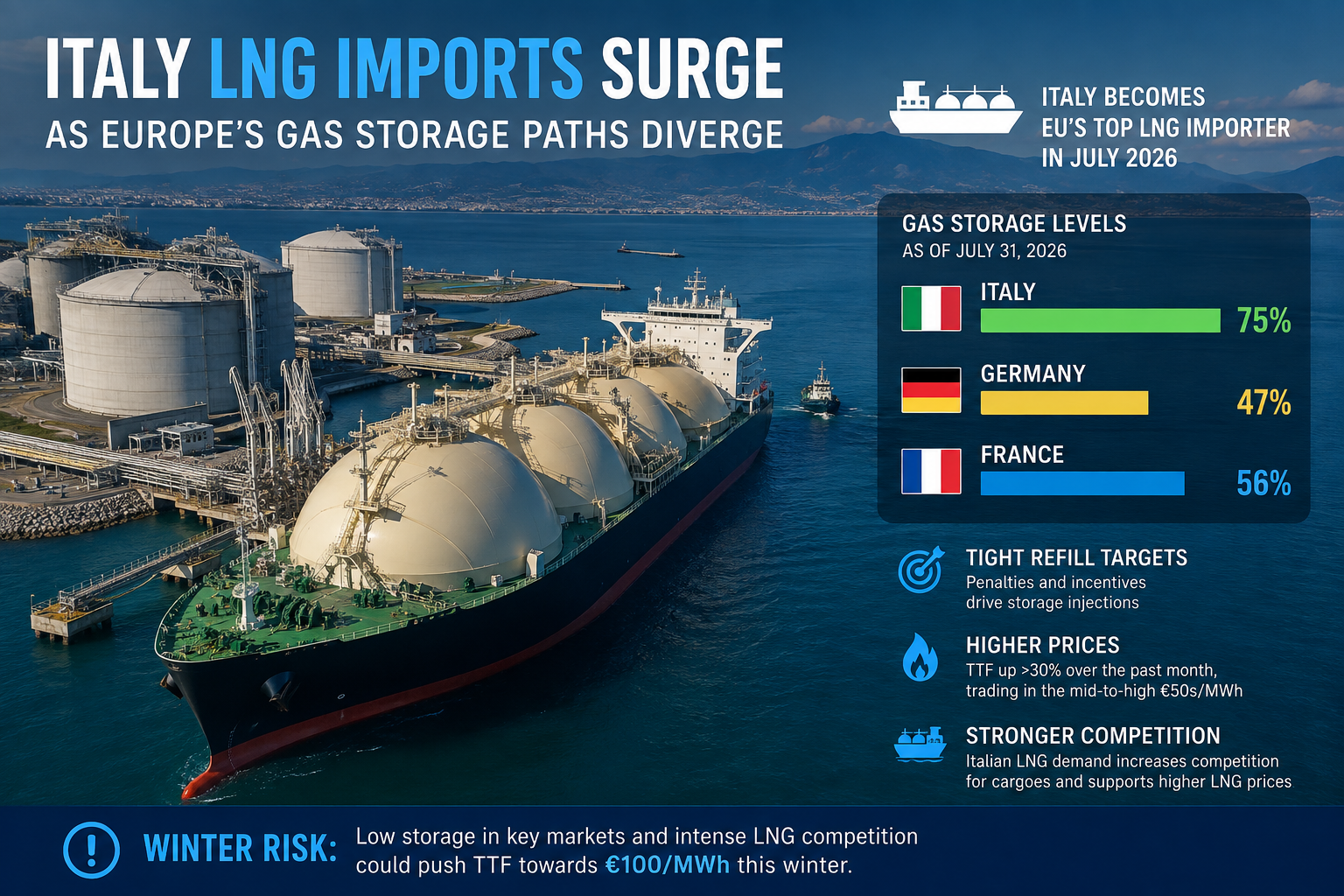
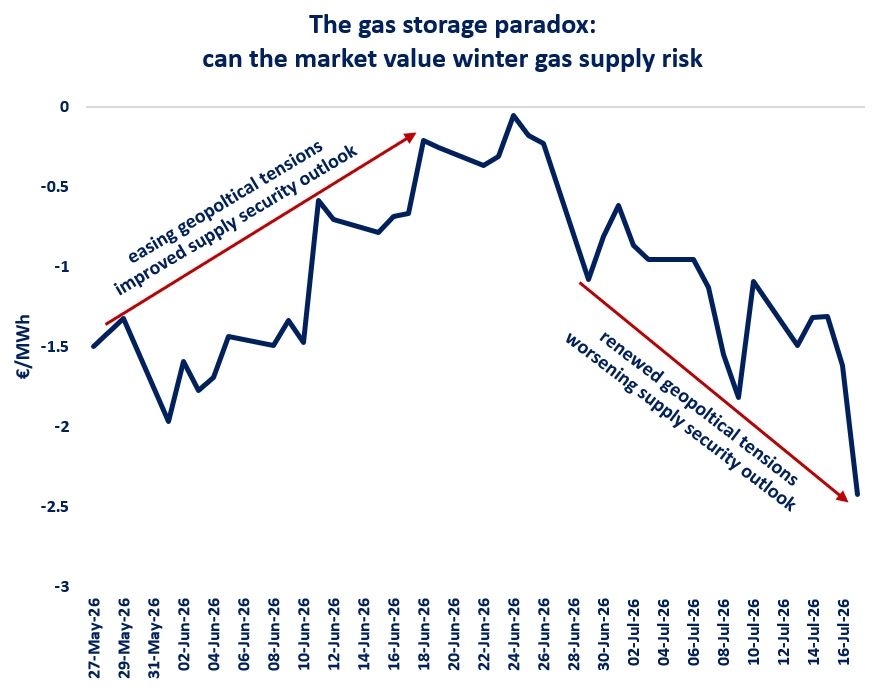
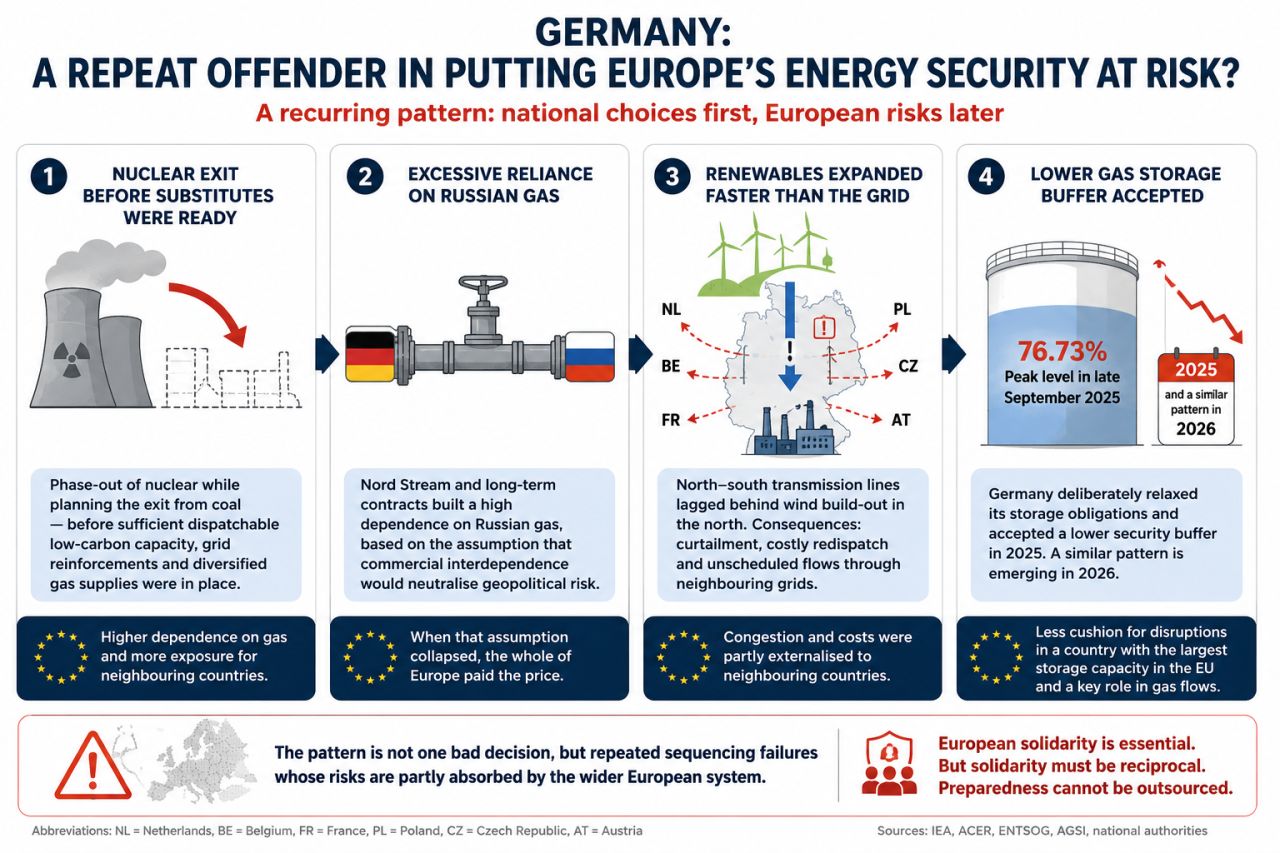
This is especially important because, if declining regasification rates were to result in a lower than expected rate of storage injections in Europe in the coming weeks, the risk of more dramatic price surges later in the year would increase (should a limitation in LNG supply transiting the Strait of Hormuz continue for multiple months).
Also, while the role played by China appears limited from the chart below, this is purely because the chart shows a month-on-month comparison of imports. Chinese LNG imports in February tend to see a dip due to the impact of Lunar New Year holidays, and February 2026 had already seen a 14% year-on-year reduction in imports.
A significant reduction in Chinese imports compared to 2025 levels has therefore also played a key role in balancing the market in the month of March.
Overall, markets appear to be seeking a lower short-term exposure even if this results in higher risks later in the year. This is likely to be at least in part the consequence of a war in which the actors involved seek to present ambiguous narratives and control the perception of risks by energy markets in service of political objectives.
Source: Giovanni Bettinelli (LinkedIn)