Russian LNG shipments to Asia have started three weeks earlier than usual, with Arctic routes helping Russia capture higher Asian market premiums.
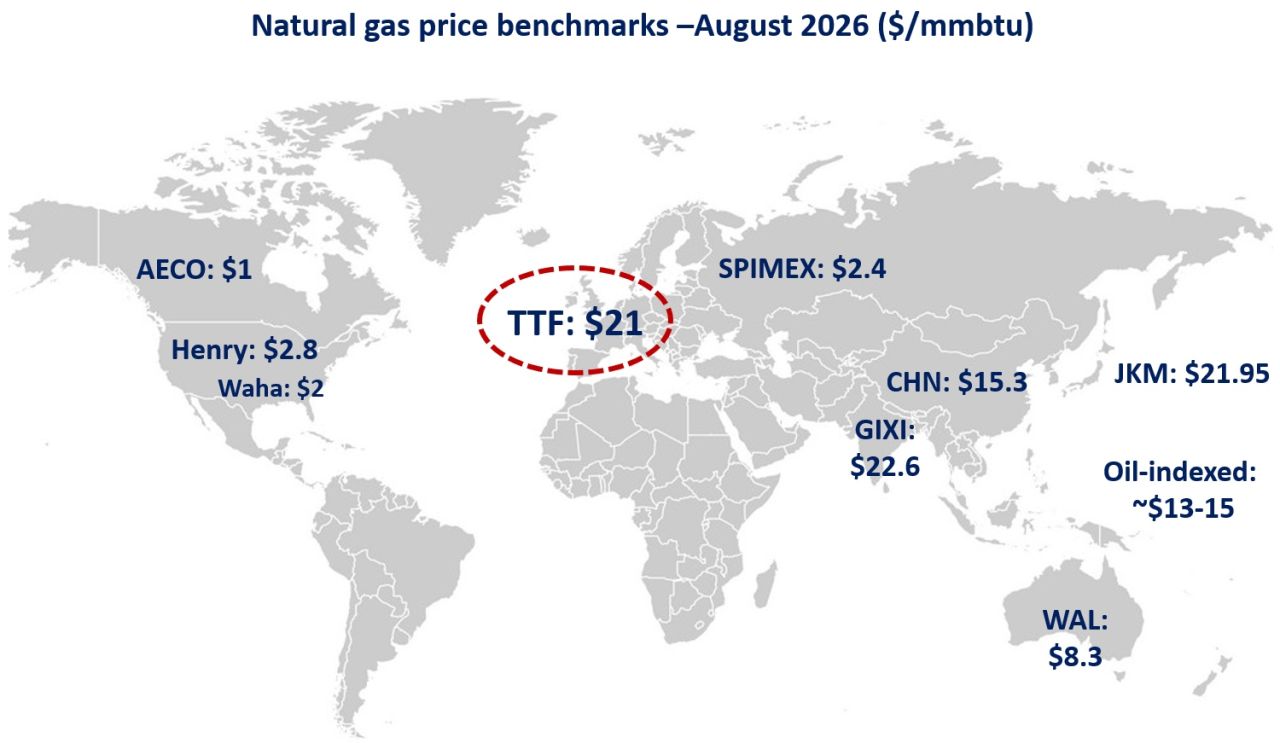
The strategic intent is to maximise the financial benefits of selling LNG to Asian markets, cutting shipping times while exploiting significant price premiums in the wake of the Hormuz blockade.
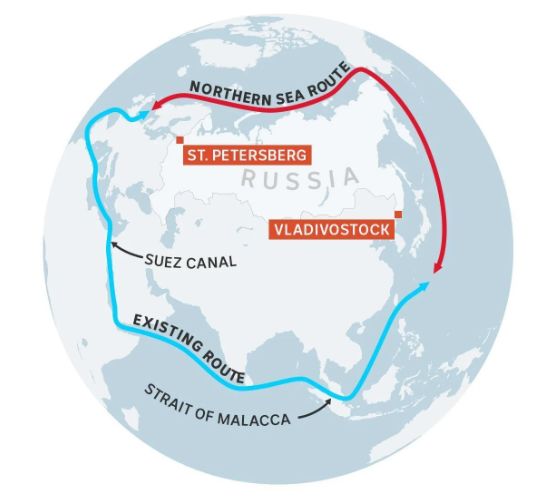
“Earlier is better,” echo both the Kremlin and Russian energy companies. According to LSEG shipping data, the Novatek-operated Christophe de Margerie—an Arc7 ice-class LNG carrier—has sailed from the sanctioned Arctic LNG 2 project en route to Asia. The vessel is utilising the Northern Sea Route, effectively bypassing major geopolitical chokepoints such as the Suez Canal and the Bab al-Mandab Strait.
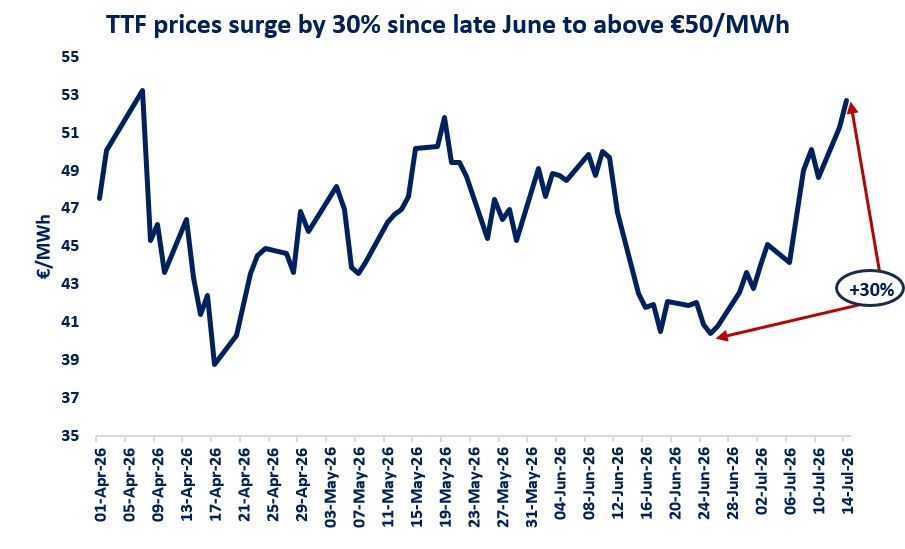
What makes this voyage particularly notable is the unprecedentedly early start of Russia’s LNG deliveries to Asia this year compared to 2025. Last year, Novatek shipped its first LNG cargo to Asia only in late June, with prices subsequently surging in the aftermath of the brief twelve-day war between Israel and Iran.
This time, however, the prolonged conflict pitting the U.S. and Israel against Iran—which began more than 90 days ago—has triggered a structural rebalance of global gas markets.
This dynamic has made it exceptionally profitable for Russia to supply Asian customers directly by navigating the challenging Arctic waters instead of the war-affected Middle Eastern straits. The LNG cargo will likely be delivered to China, where the vast majority of volumes from the plant have been discharged to date.
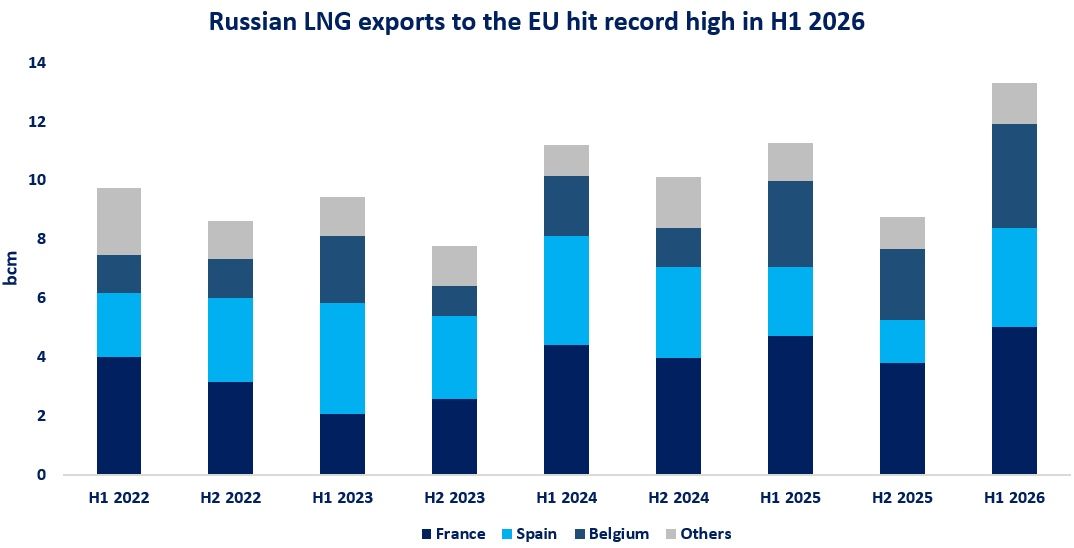
From a logistical perspective, Russia can now cut by weeks the time needed to ship LNG to gas-hungry Asian customers that have been deprived of Qatari LNG. This shift is diverting even more cargoes away from Europe—the closest market to the un-sanctioned Yamal LNG facility and the heavily sanctioned Arctic LNG 2 venture—and steering them toward Asia.
Moscow clearly wants to emphasise the structural security of Arctic energy shipments in a world undergoing both physical and geopolitical warming—a unique competitive advantage that President Vladimir Putin has openly boasted of in recent months.
The country aims to achieve year-round navigation along the Northern Sea Route by the 2030s—a timeline that is rapidly approaching and carries immense geopolitical weight. This year, the Arctic sea ice cover peaked at 14.29 million square kilometers in mid-March, making it statistically tied with 2025’s observation for the lowest yearly maximum extent on record.
Ultimately, the blockade of the Strait of Hormuz has emerged as a major boon for the production and shipment of Arctic energy, significantly bolstering Russia’s geostrategic positioning in the new global energy order.
Source: Francesco Sassi (LinkedIn, June 2026)