European gas price cap proposals are facing strong opposition from energy market participants, who warn that intervention could weaken supply security and disrupt market functioning. Industry groups argue that maintaining market-based pricing is essential to attract LNG and ensure stable gas flows into Europe.
A broad coalition of energy companies, market operators and financial institutions has raised concerns over proposals to introduce a gas price cap in Europe, warning that such measures could have unintended consequences for both energy security and market stability.
In a joint letter addressed to European Commission President Ursula von der Leyen and European Council President António Costa, the signatories emphasise that clear and credible price signals are essential for Europe to attract natural gas and LNG cargoes in a competitive global market.
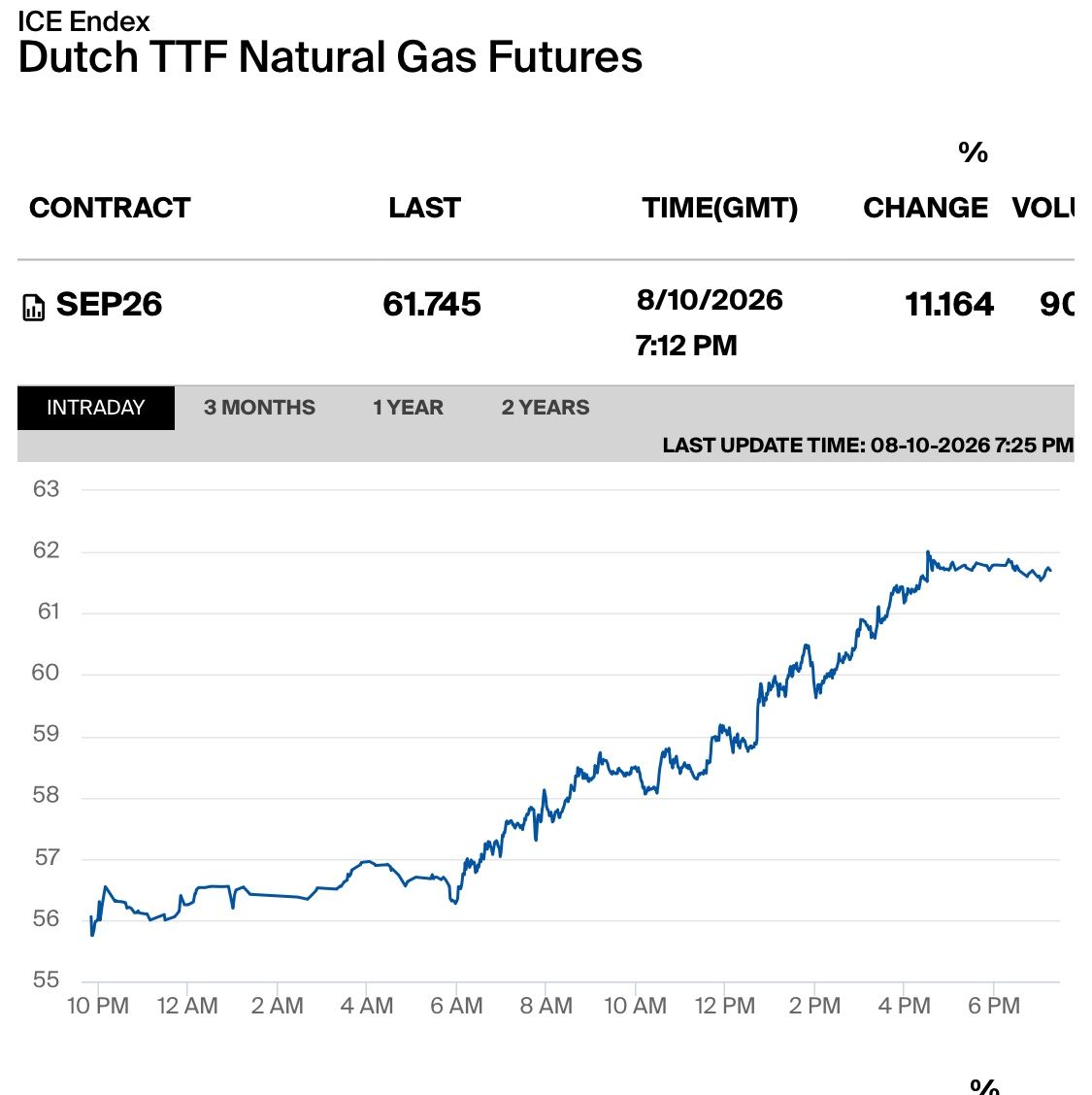
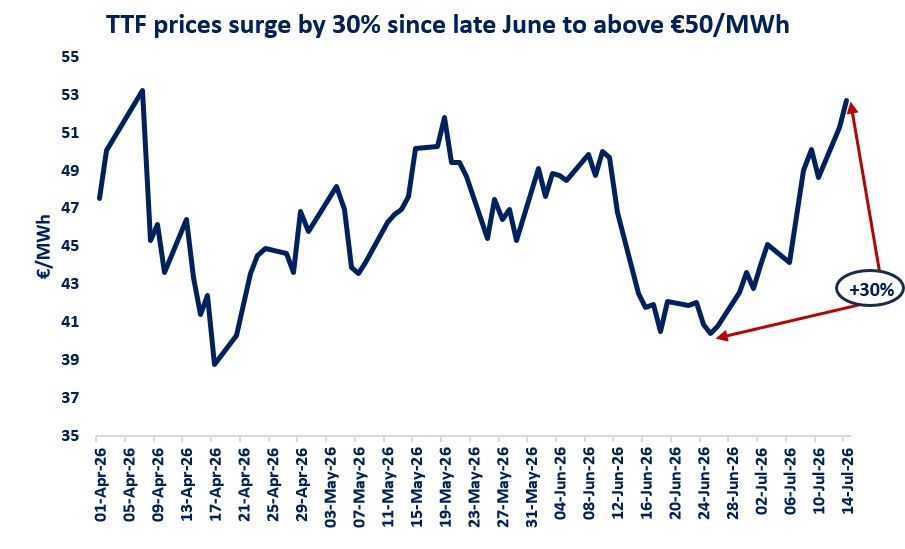
Gas markets are inherently global, with LNG cargoes flowing to regions offering the most attractive returns. The letter highlights that Europe’s benchmark pricing system, particularly the TTF, has played a critical role in securing supply by providing a trusted and transparent market reference.
Introducing a price cap could undermine this mechanism, potentially diverting LNG shipments to other regions and weakening Europe’s position in global gas markets.
The signatories also warn of the potential impact on financial markets and risk management. Energy derivatives markets rely on price signals that accurately reflect supply and demand fundamentals.
Artificially constraining prices could reduce liquidity, limit hedging opportunities and increase overall costs across the energy value chain. In turn, this could lead to higher prices for end consumers rather than the intended relief.
While acknowledging the political pressure to address high energy prices, the letter argues that price caps would do little to resolve the structural drivers of volatility. Previous mechanisms introduced during the 2022 energy crisis were not activated, and concerns raised by regulators regarding increased volatility and market fragmentation remain relevant.
Instead, the coalition calls for preserving market-based price formation while exploring targeted measures that protect consumers without distorting wholesale markets.
Maintaining investor confidence, ensuring access to global LNG supply and supporting effective risk management tools are seen as critical to Europe’s energy resilience.
As Europe continues to navigate geopolitical uncertainty and evolving energy dynamics, the debate over price intervention highlights the delicate balance between affordability, security of supply and market integrity.