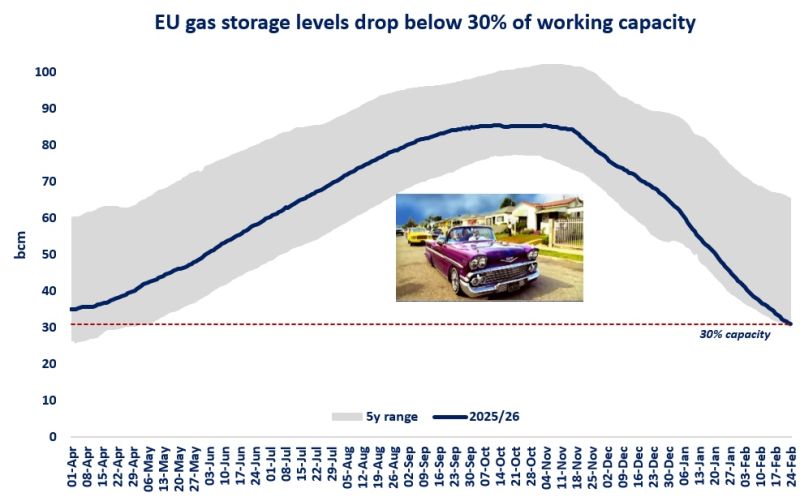
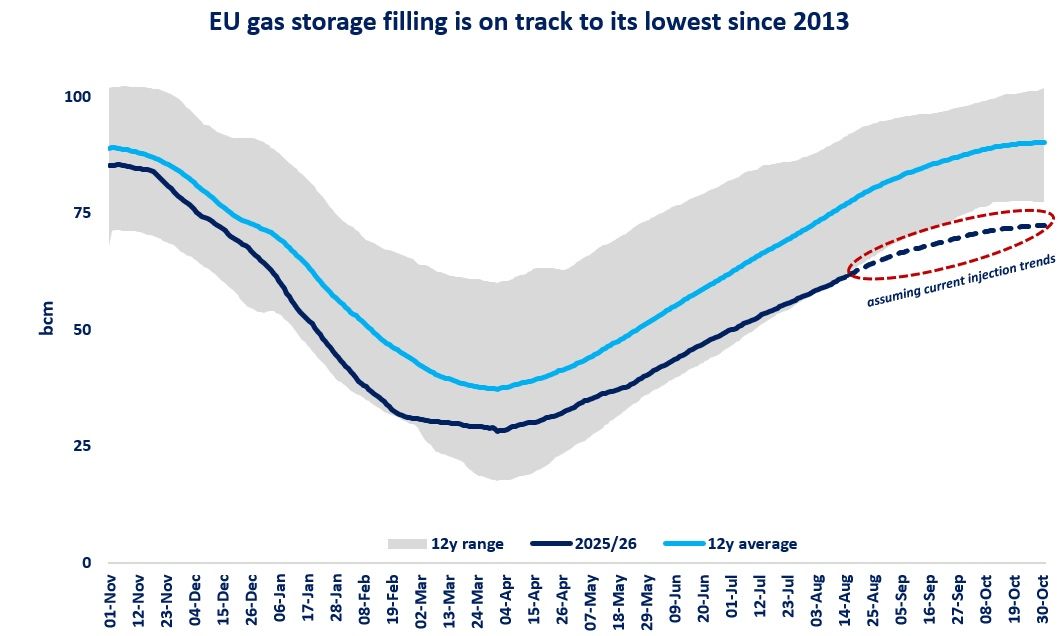
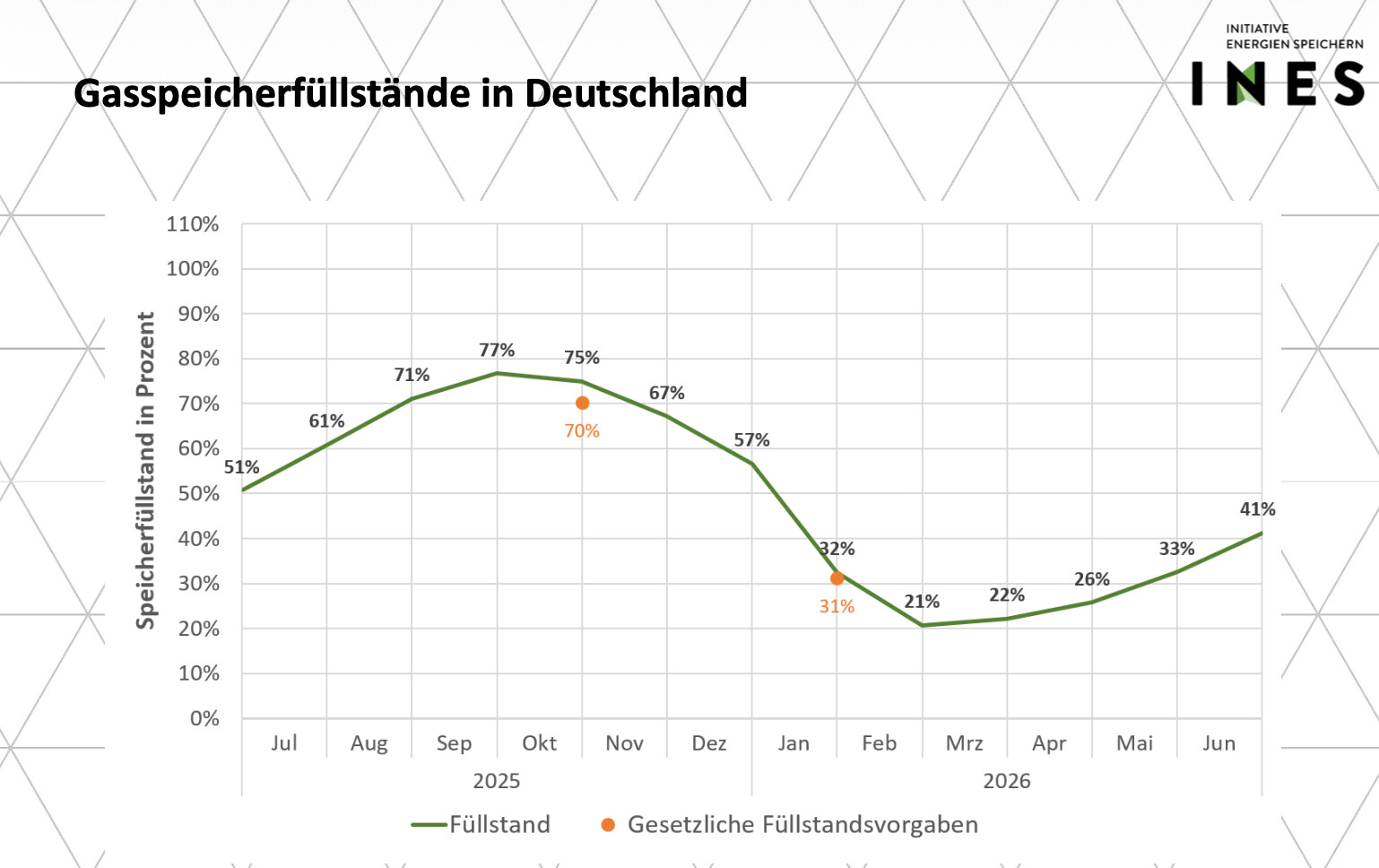
European gas storage levels dropped below 30% of their working capacity, standing 35% below their 5y average and at their lowest level since the 2022 gas crisis.
European gas storage draws totalled near 55 bcm since the beginning of November, up by 17% compared to their 5y average, amid colder weather and stronger gas burn in the power sector.
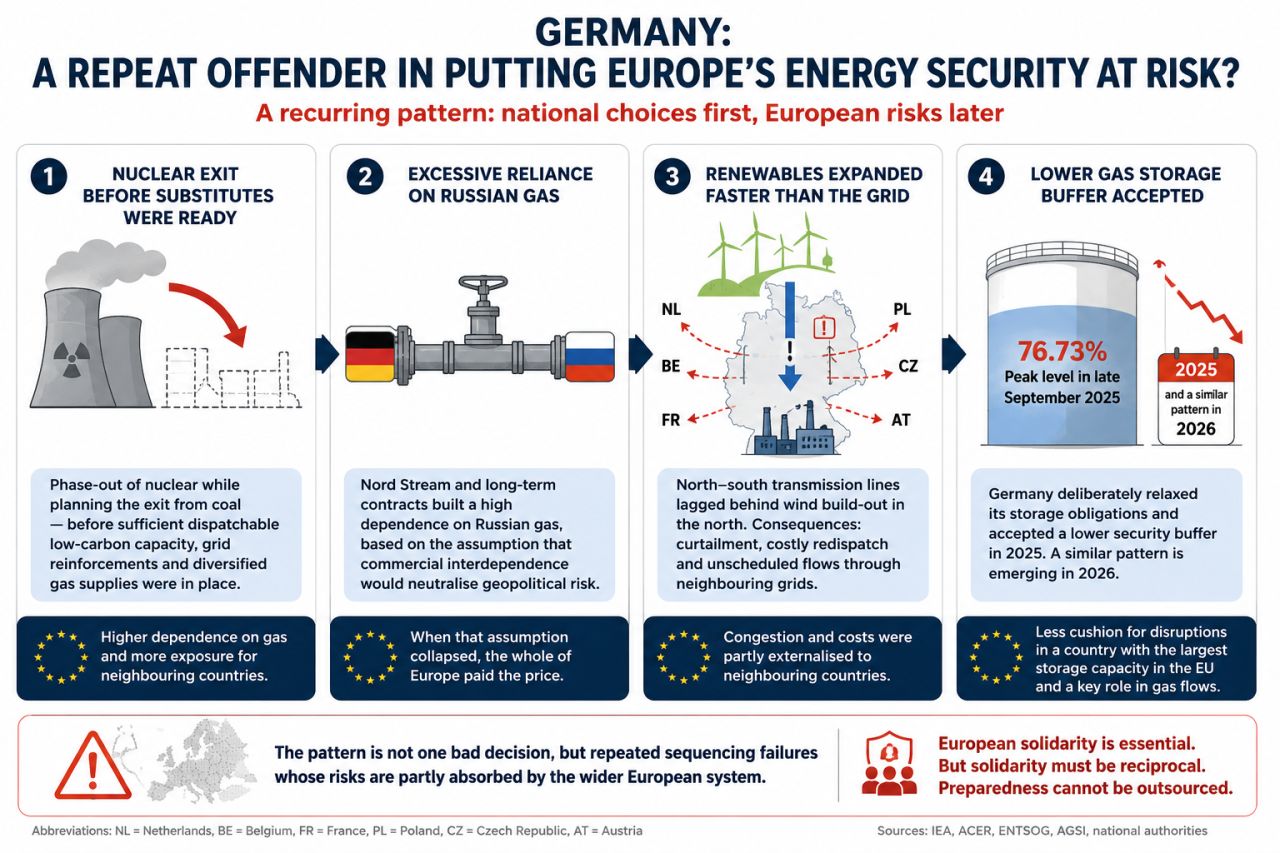
European gas storage levels are now standing below 30% of working capacity — a key threshold under which the deliverability rate of many storage sites starts to decline. Meanwhile in Northwest Europe, fill levels have now dropped below 20%, with Dutch inventories standing at a low of just 10%.
Looking ahead, if withdrawals continue at their 5y average, European gas storage could end the heating season at just 25%, meaning that around 60 bcm of injections would be needed to reach the lower range of European gas storage obligations — up by almost 30% compared with their 5y average.
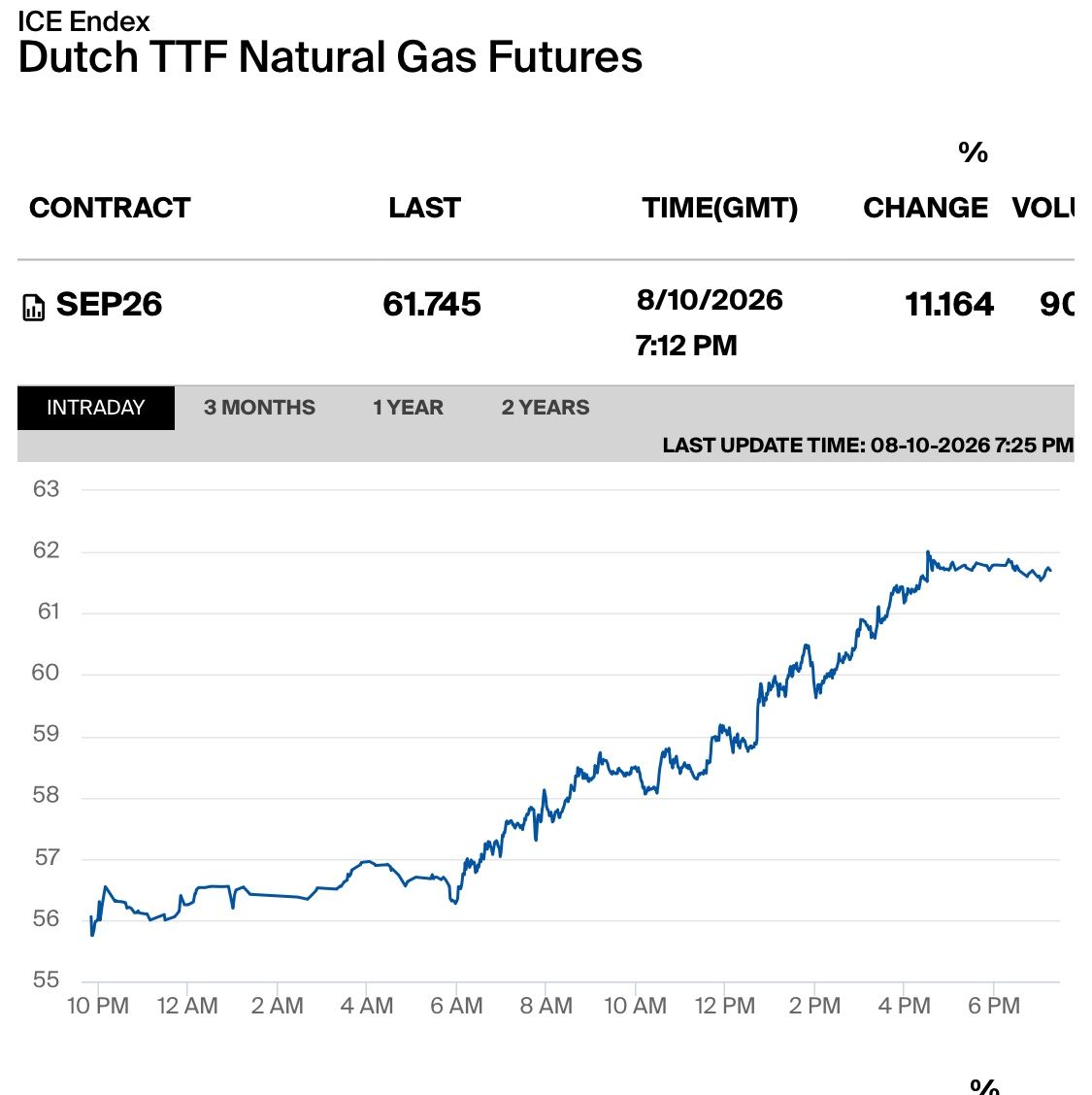
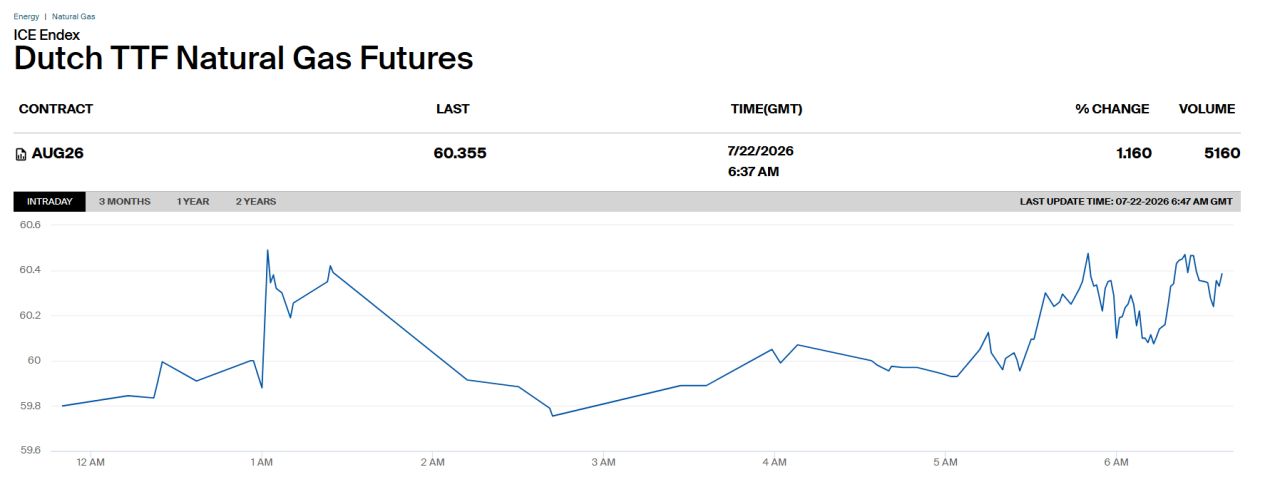
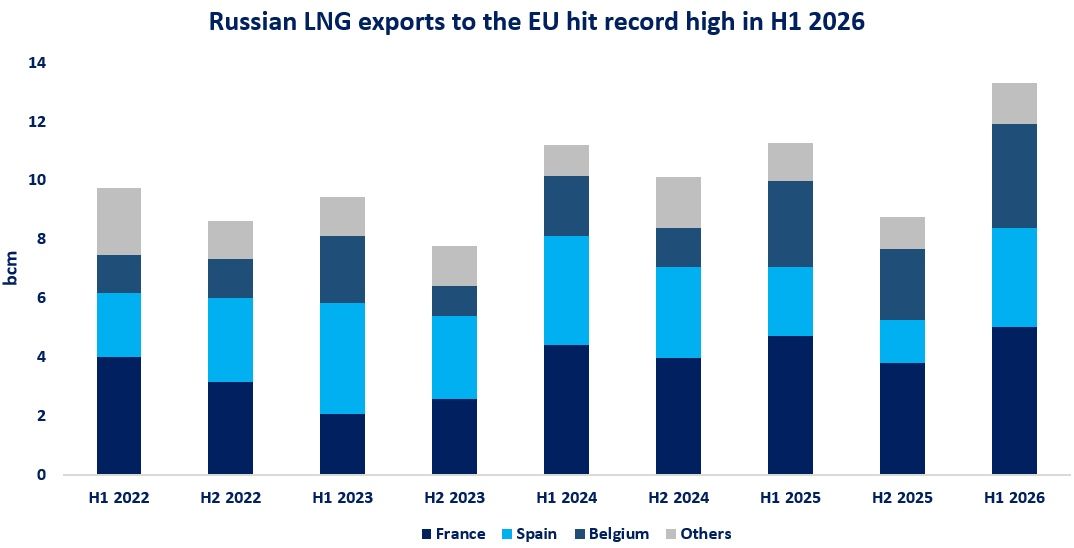
This strong injection cycle is set to drive European LNG imports to a new all-time high in 2026 and will certainly provide a floor to summer contracts.
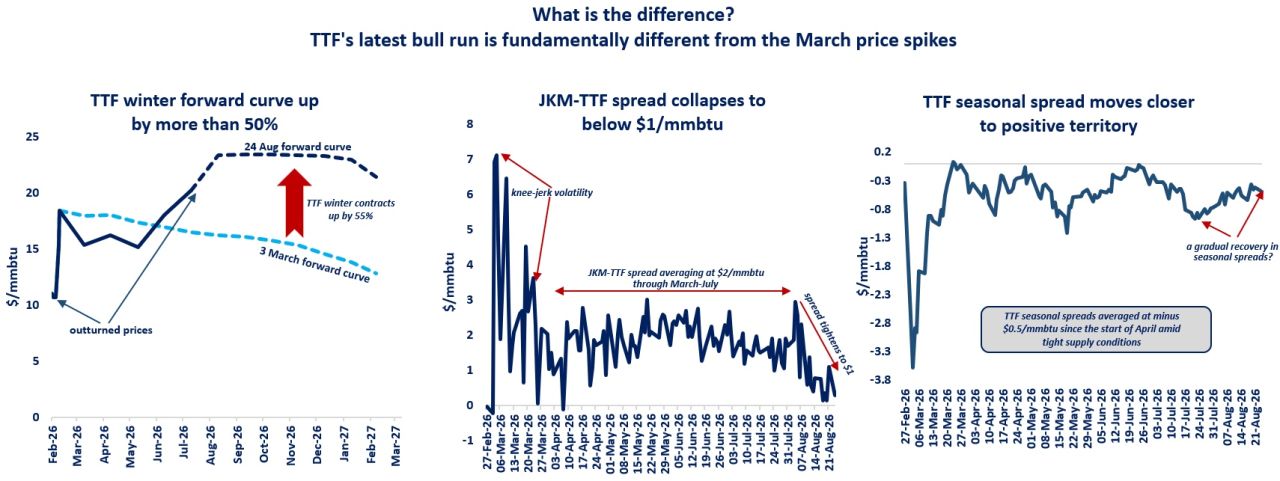
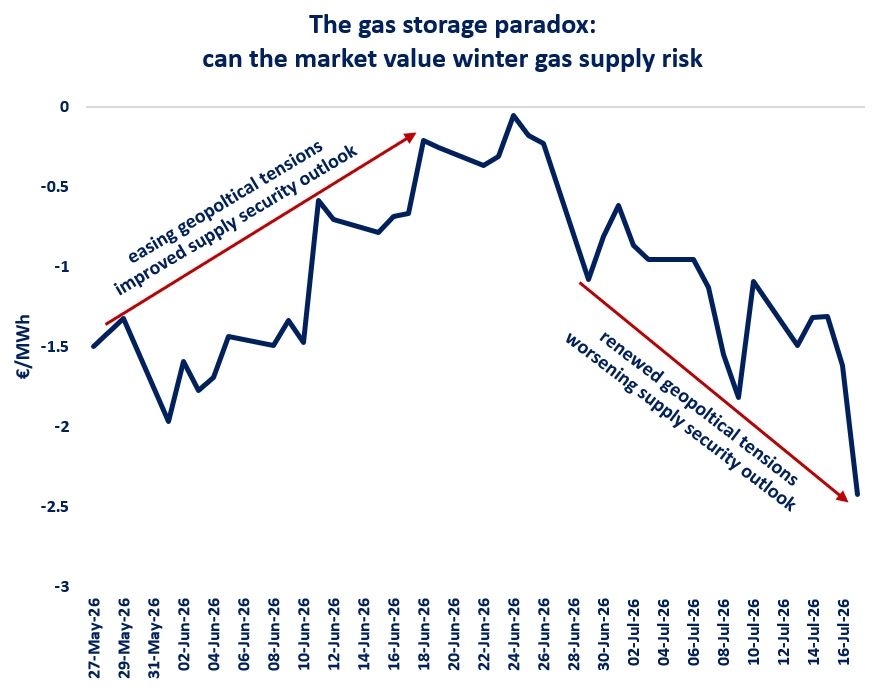
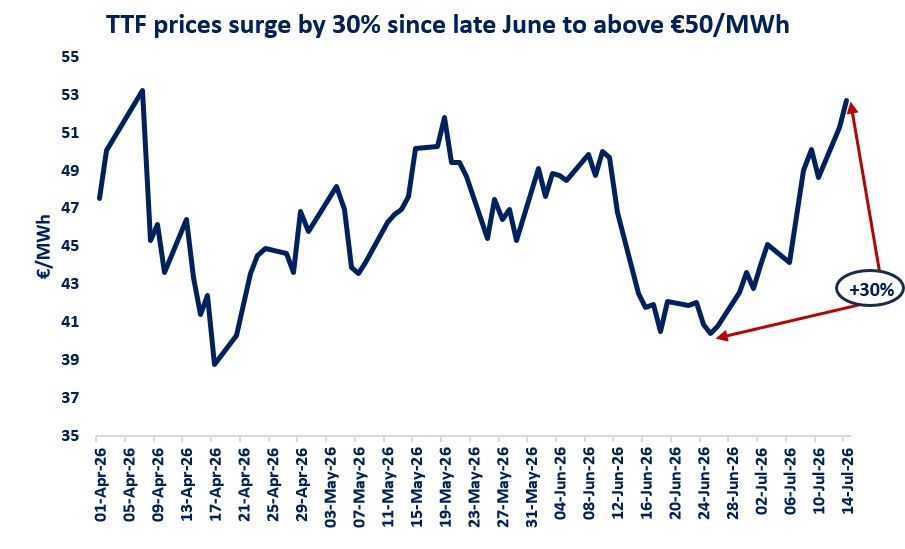
A key question is how storage spreads will evolve in this context. They would need to widen significantly to provide the necessary market incentive for filling.
What is your view? How will European gas storage end the heating season? How will the summer market play out? Who is ready to take a low rider? It can be a volatile ride…