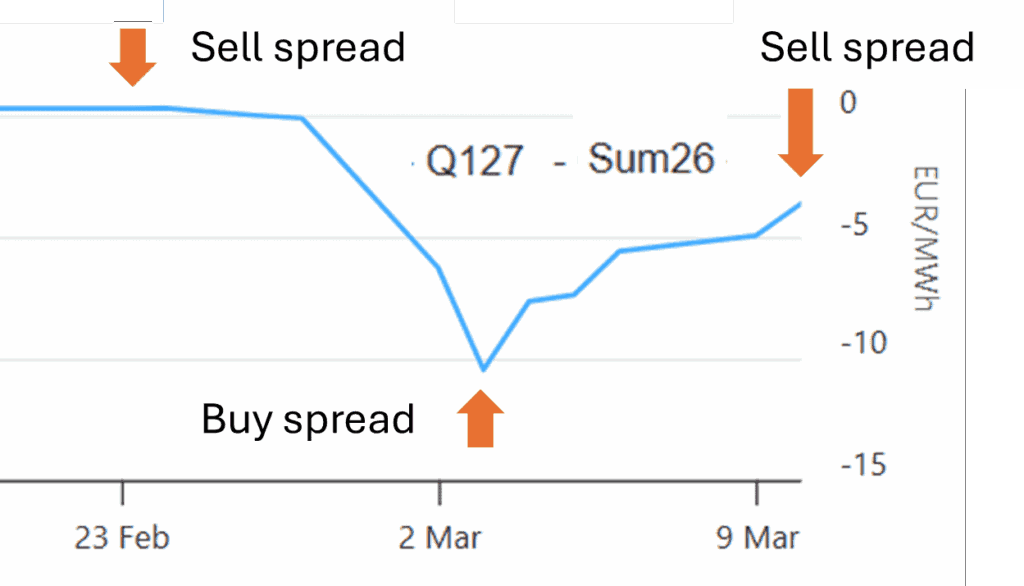
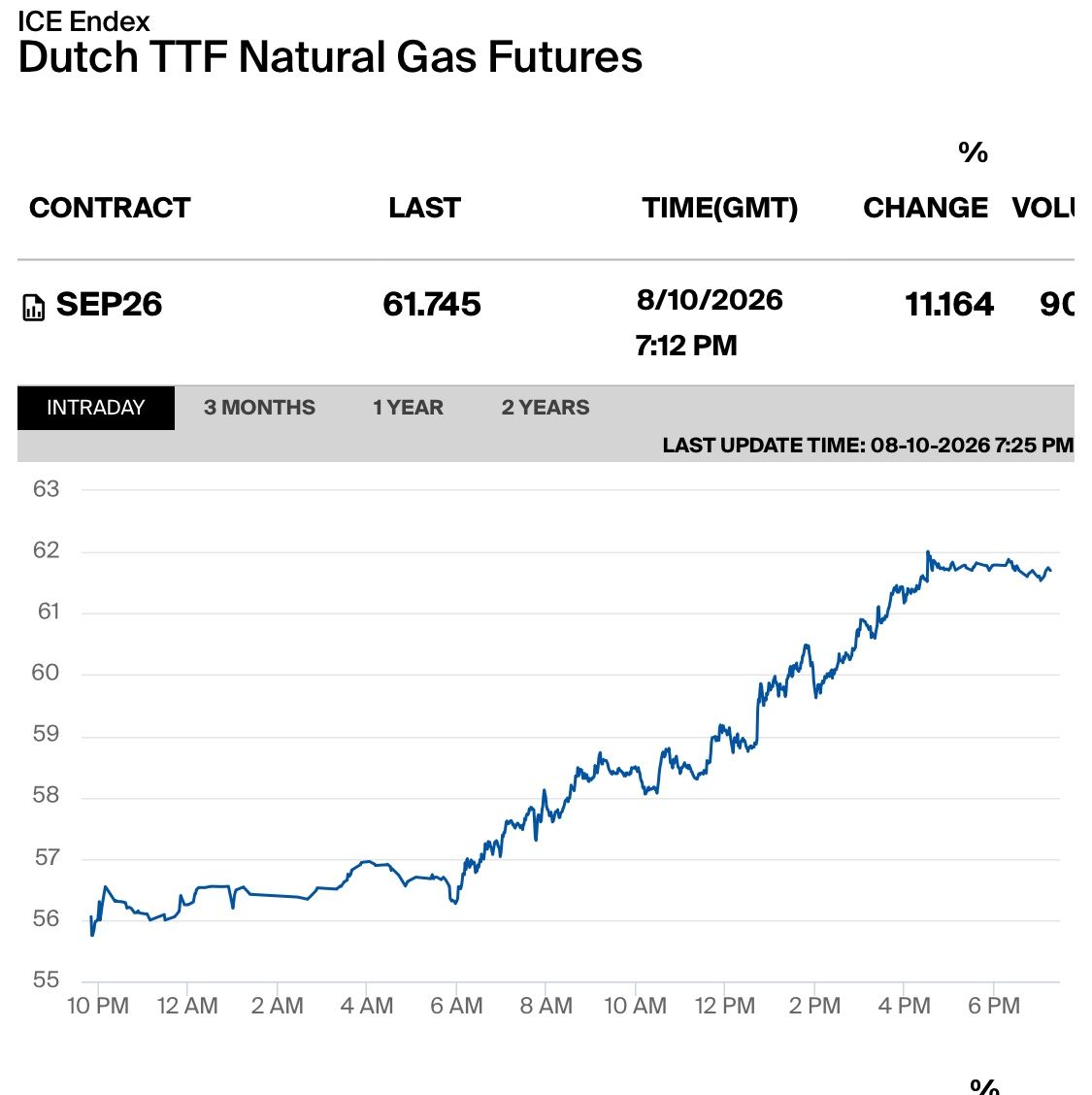
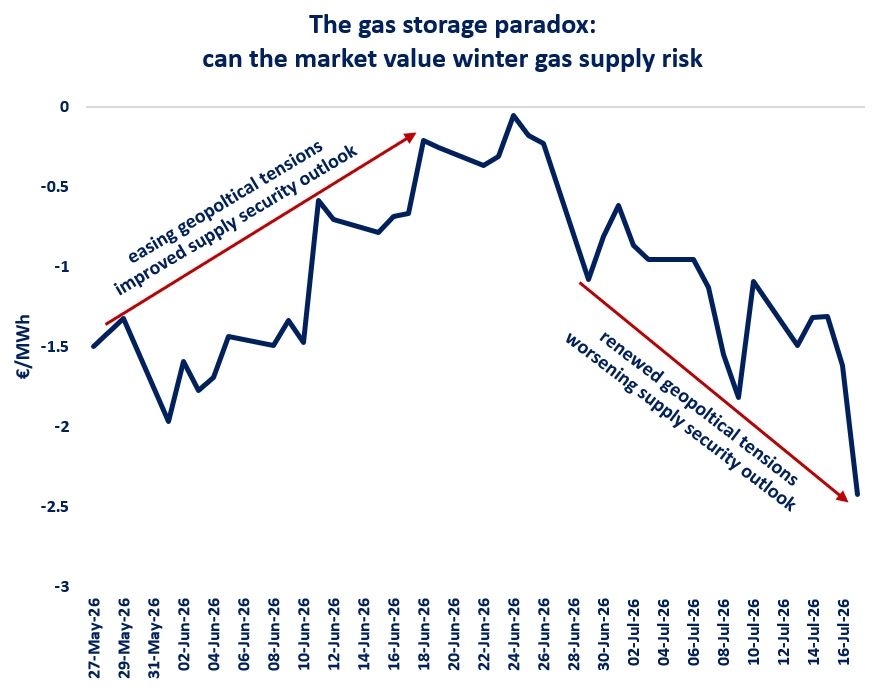
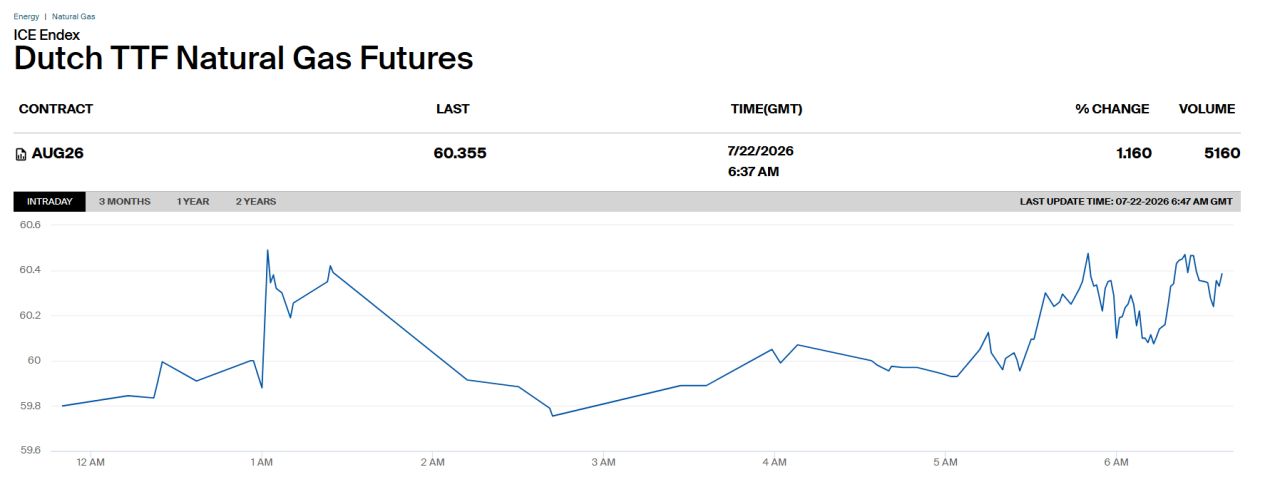
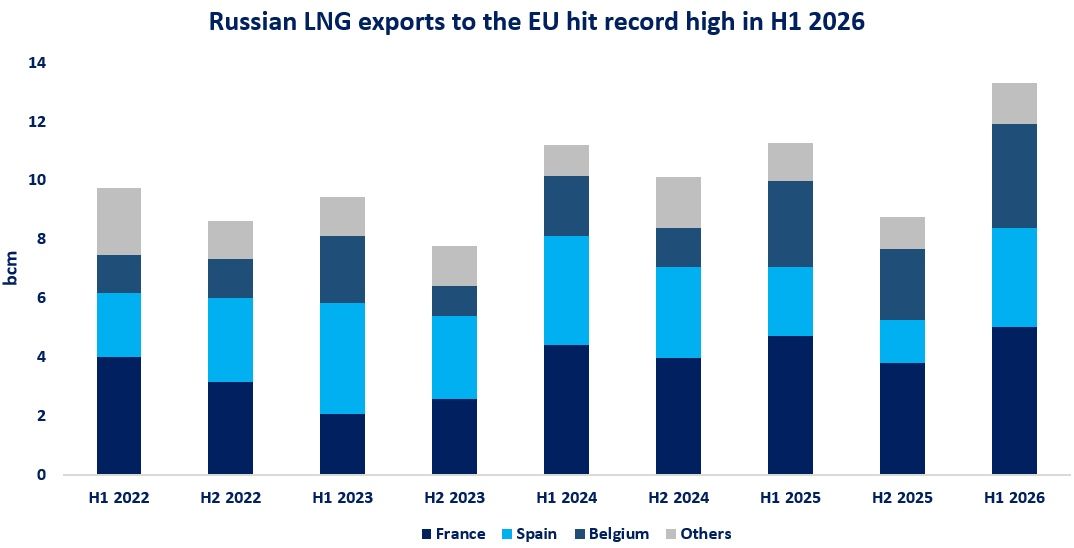
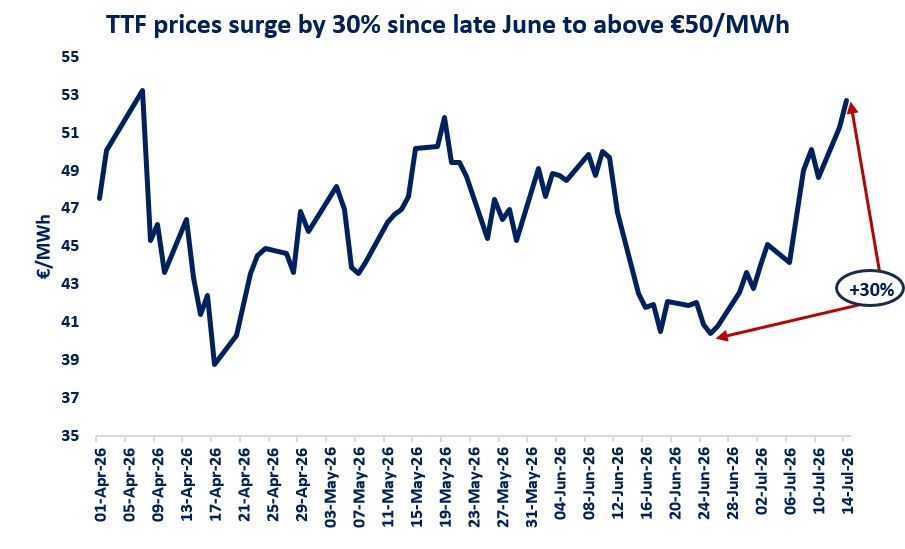
Gas storage has become a critical profit driver in today’s disrupted energy markets. The Iran crisis has reshaped pricing dynamics, flipping the traditional summer-winter spread into negative territory and creating new trading opportunities.
Instead of relying on predictable seasonal spreads, traders now benefit from volatility. Those using flexible, active strategies can capitalize on price swings by treating storage as an option rather than simply locking in forward sales.
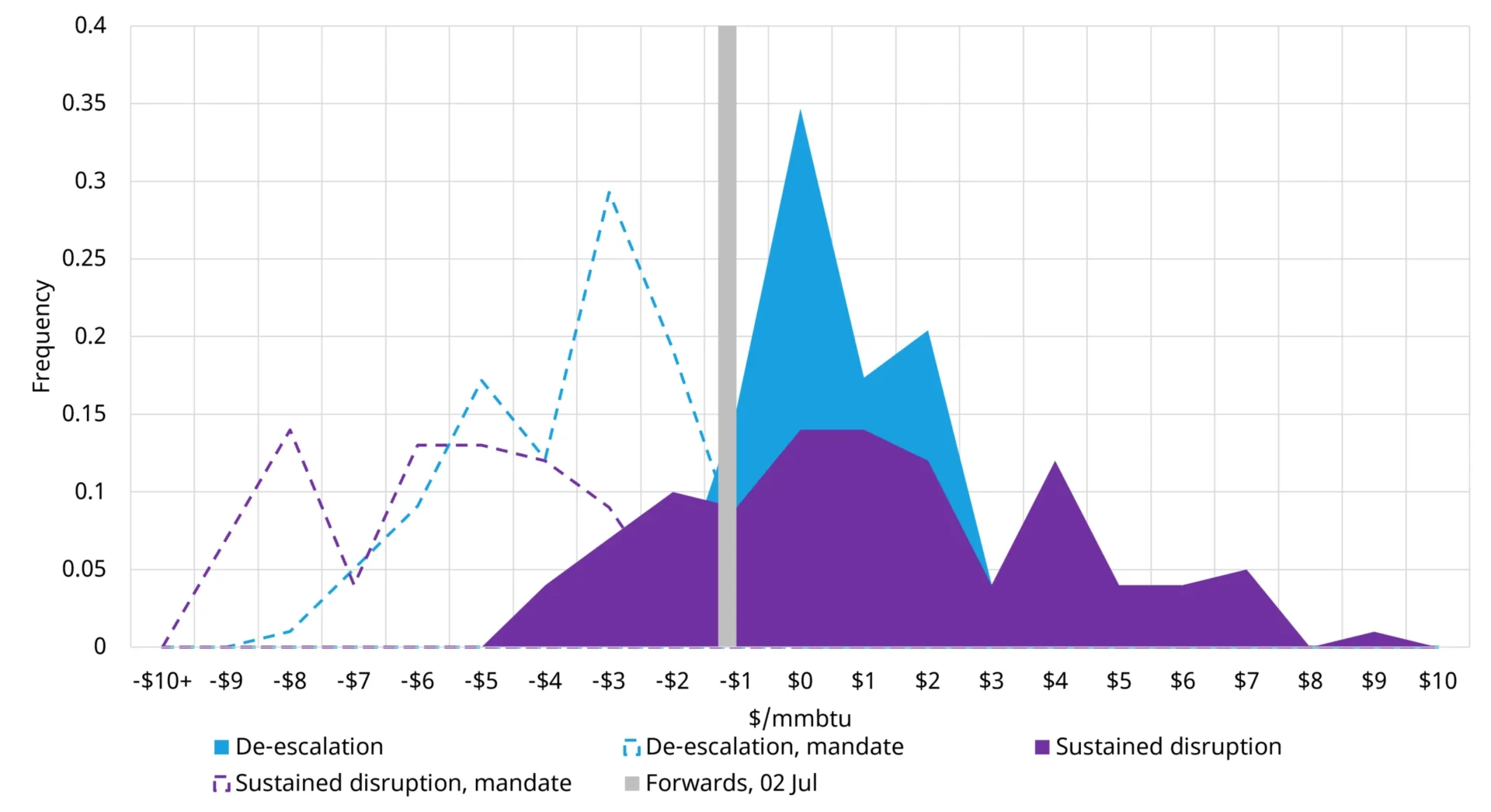
In markets like Great Britain and the Netherlands, where storage regulations are less restrictive, traders have greater freedom. They can hold inventory longer, respond quickly to market changes, and use hedging strategies to profit from shifting spreads. For example, when the spread moved from deeply negative to less negative, traders could capture short-term gains by adjusting positions.
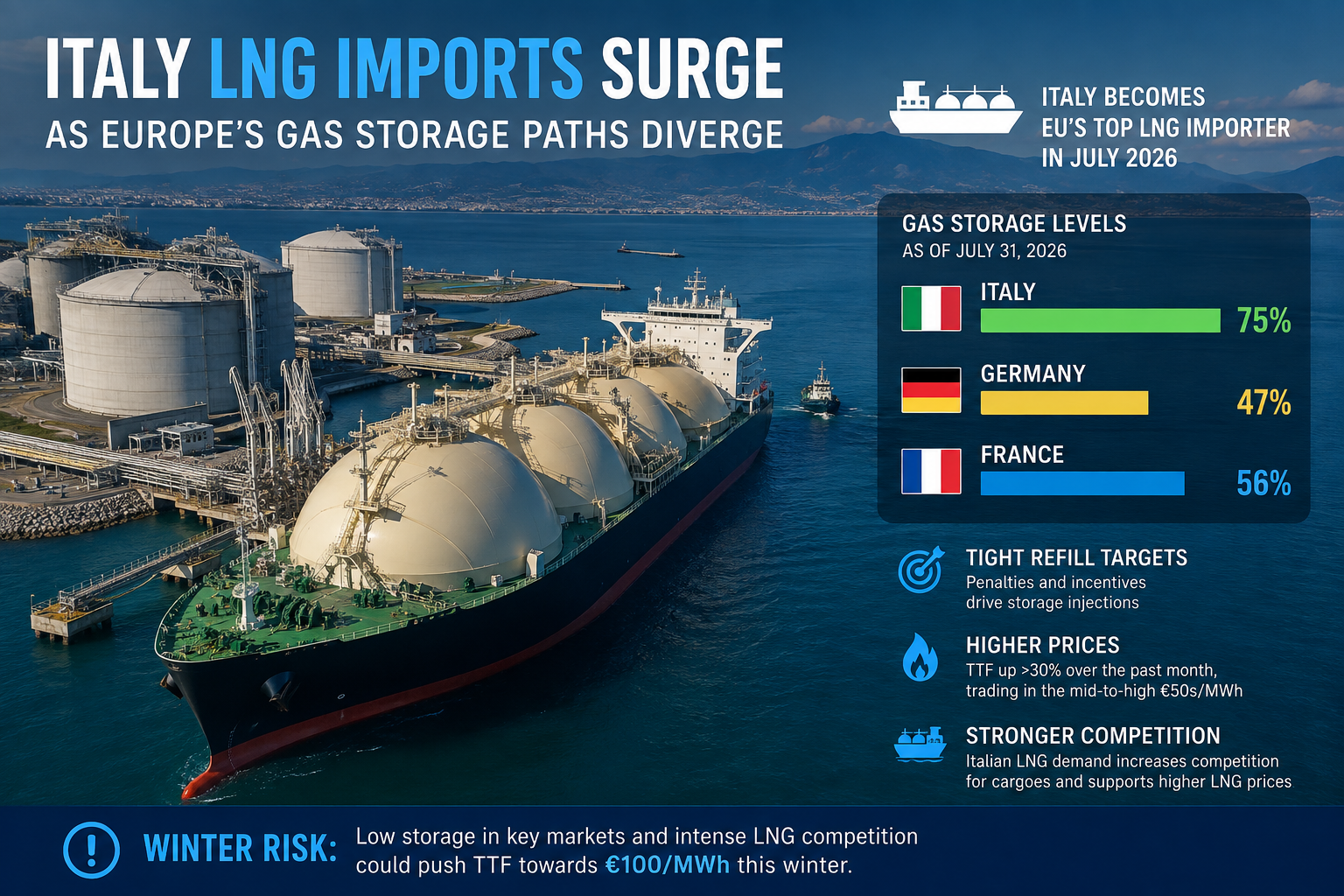
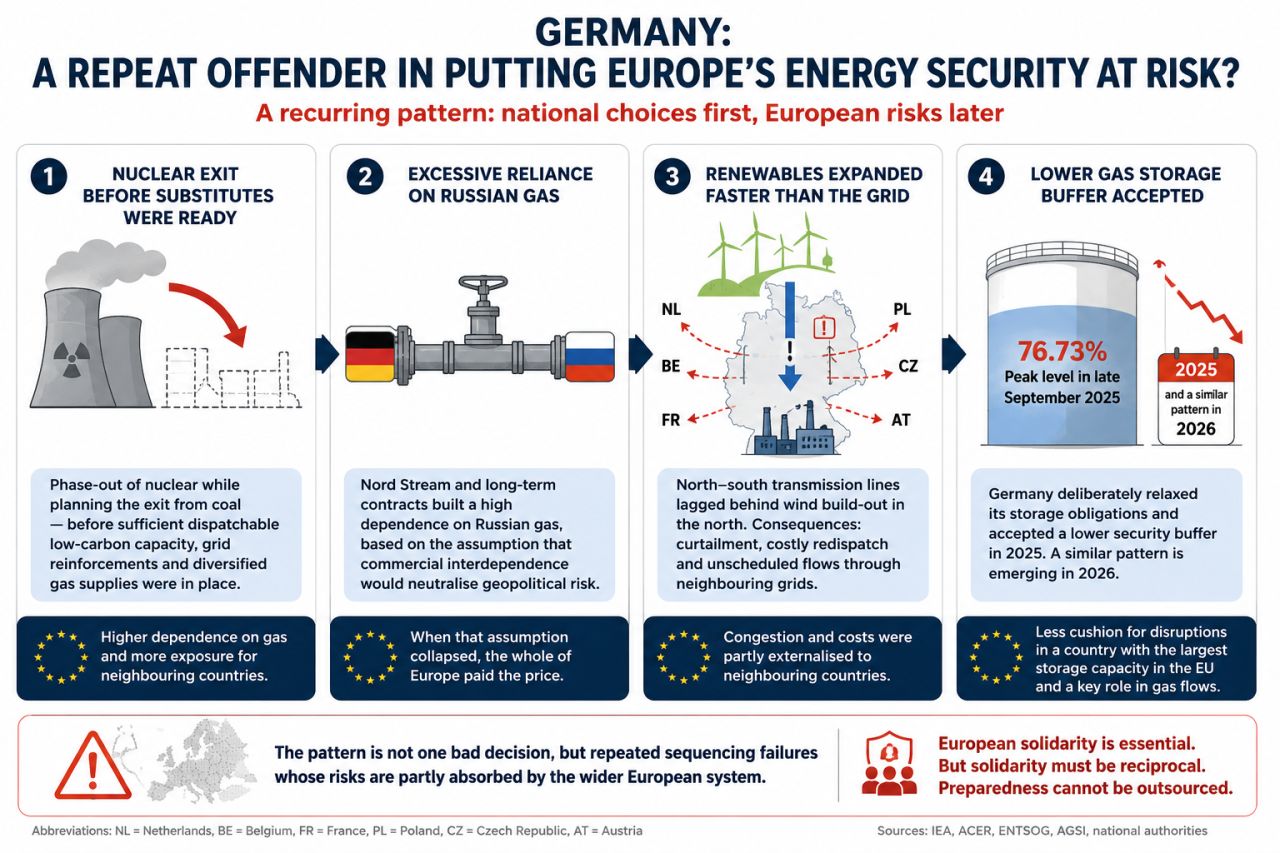
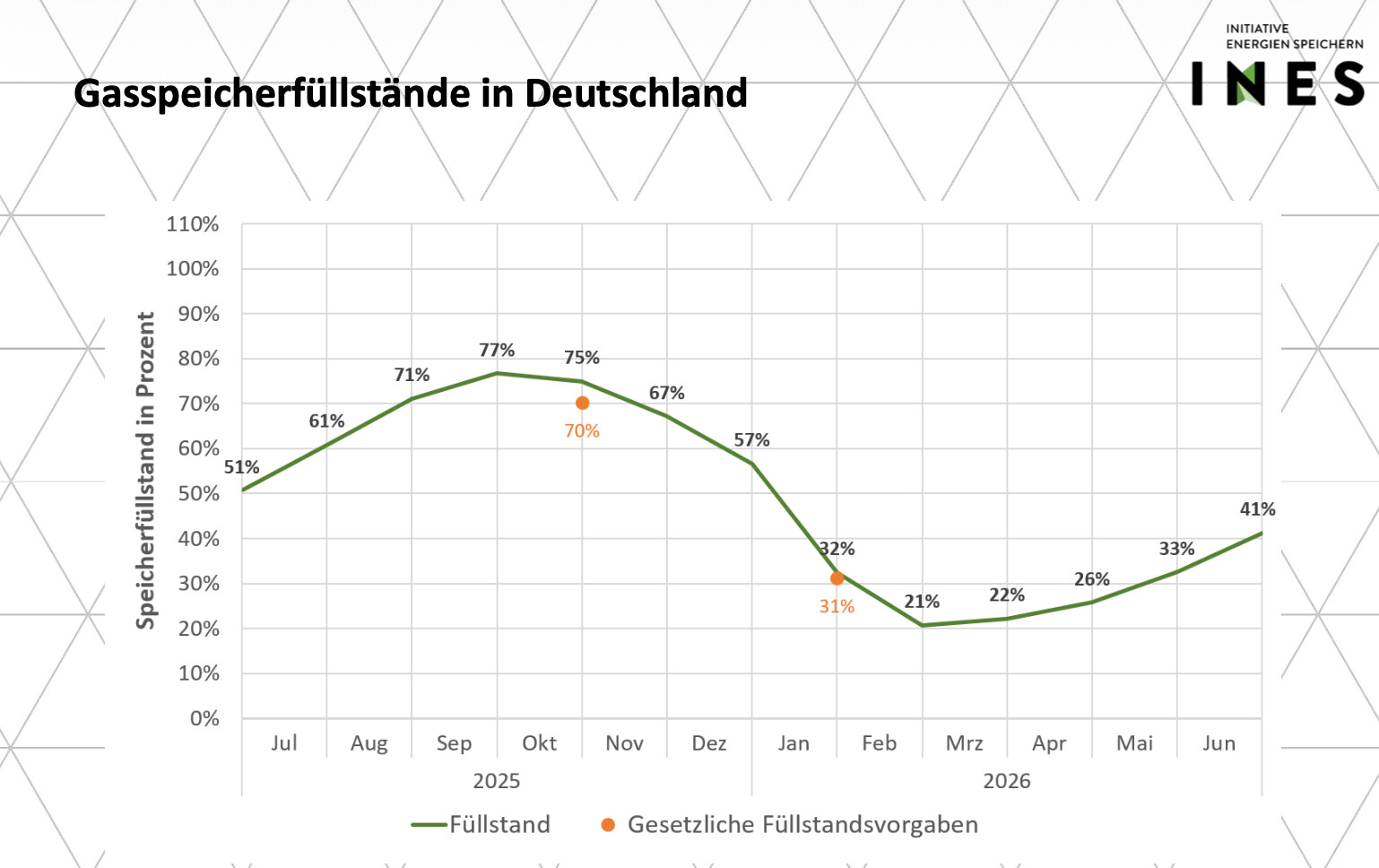
However, in countries such as Germany, France, and Italy, stricter storage requirements limit this flexibility. Mandatory fill levels force traders to maintain certain positions, reducing their ability to fully exploit market movements. While optimization still adds value, the upside is more constrained.
Overall, the key advantage lies in actively managing storage and leveraging its flexibility. Traders who adapt to volatility and use dynamic hedging strategies are better positioned to generate higher returns, even in uncertain market conditions.
We use cookies on our website to give you the most relevant experience by remembering your preferences and repeat visits. By clicking “Accept”, you consent to the use of ALL the cookies.
This website uses cookies to improve your experience while you navigate through the website. Out of these, the cookies that are categorized as necessary are stored on your browser as they are essential for the working of basic functionalities of the website. We also use third-party cookies that help us analyze and understand how you use this website. These cookies will be stored in your browser only with your consent. You also have the option to opt-out of these cookies. But opting out of some of these cookies may affect your browsing experience.
Necessary cookies are absolutely essential for the website to function properly. This category only includes cookies that ensures basic functionalities and security features of the website. These cookies do not store any personal information.
Any cookies that may not be particularly necessary for the website to function and is used specifically to collect user personal data via analytics, ads, other embedded contents are termed as non-necessary cookies. It is mandatory to procure user consent prior to running these cookies on your website.