Europe has taken a decisive step toward cutting economic ties with Moscow by moving to ban Russian gas, a shift that formalizes the direction of travel since 2022. The policy aims to phase out remaining dependence and deter new commercial exposure, while preserving short-term security of supply during the transition.
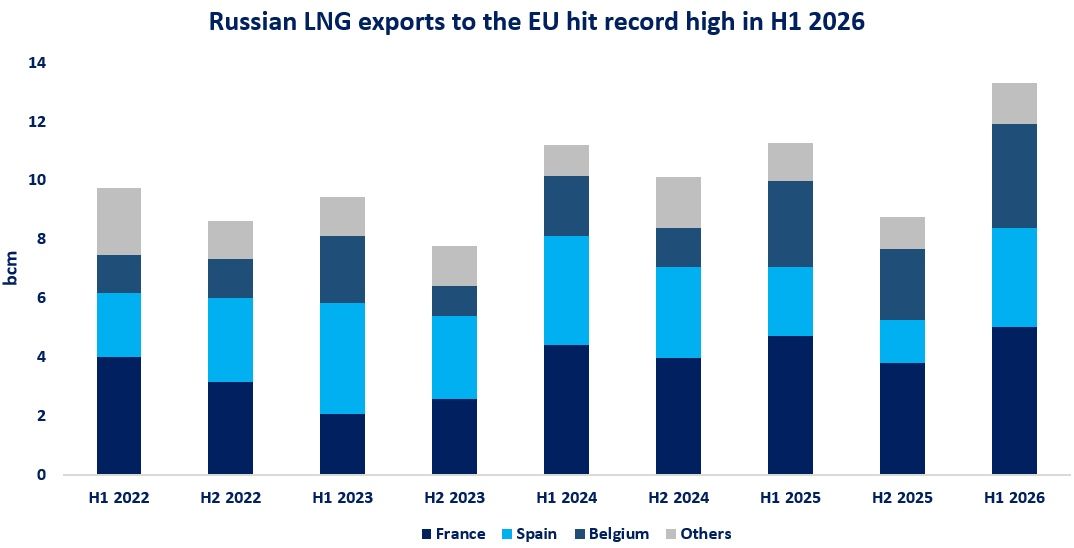
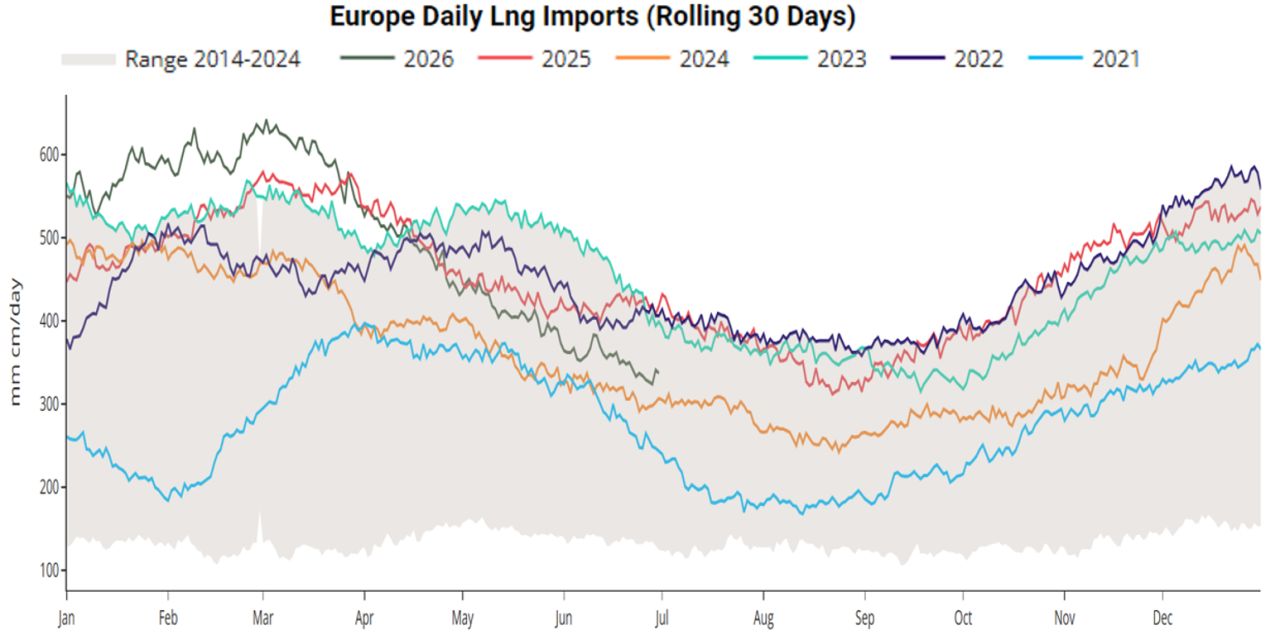
For market participants, three strands matter. First, the direction is clear: fewer contractual pathways for Russian molecules into Europe over time. That strengthens the case for continued LNG diversification and flexible portfolio contracting, especially around Atlantic Basin supply.
Second, several loopholes could dilute the impact unless they are closed in implementation. These include transshipments and swaps that allow Russian LNG to be re-routed through third countries; grandfathered long-term contracts that keep legacy volumes flowing until expiry; and product blending or re-export arrangements that obscure origin. Corporate structures and ownership stakes in infrastructure can also complicate enforcement if rules focus narrowly on origin declarations.
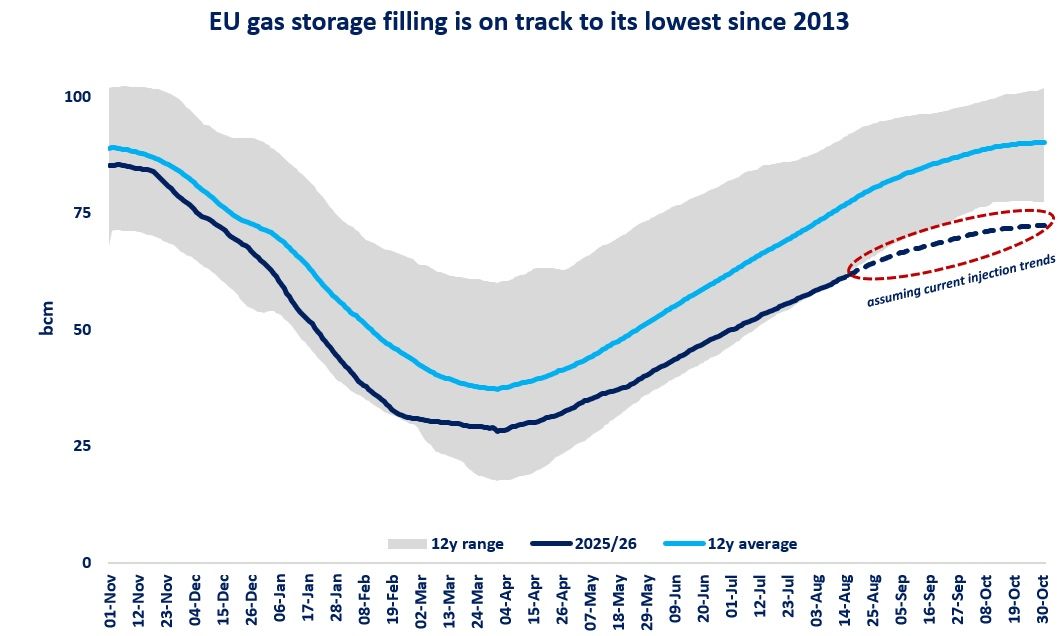
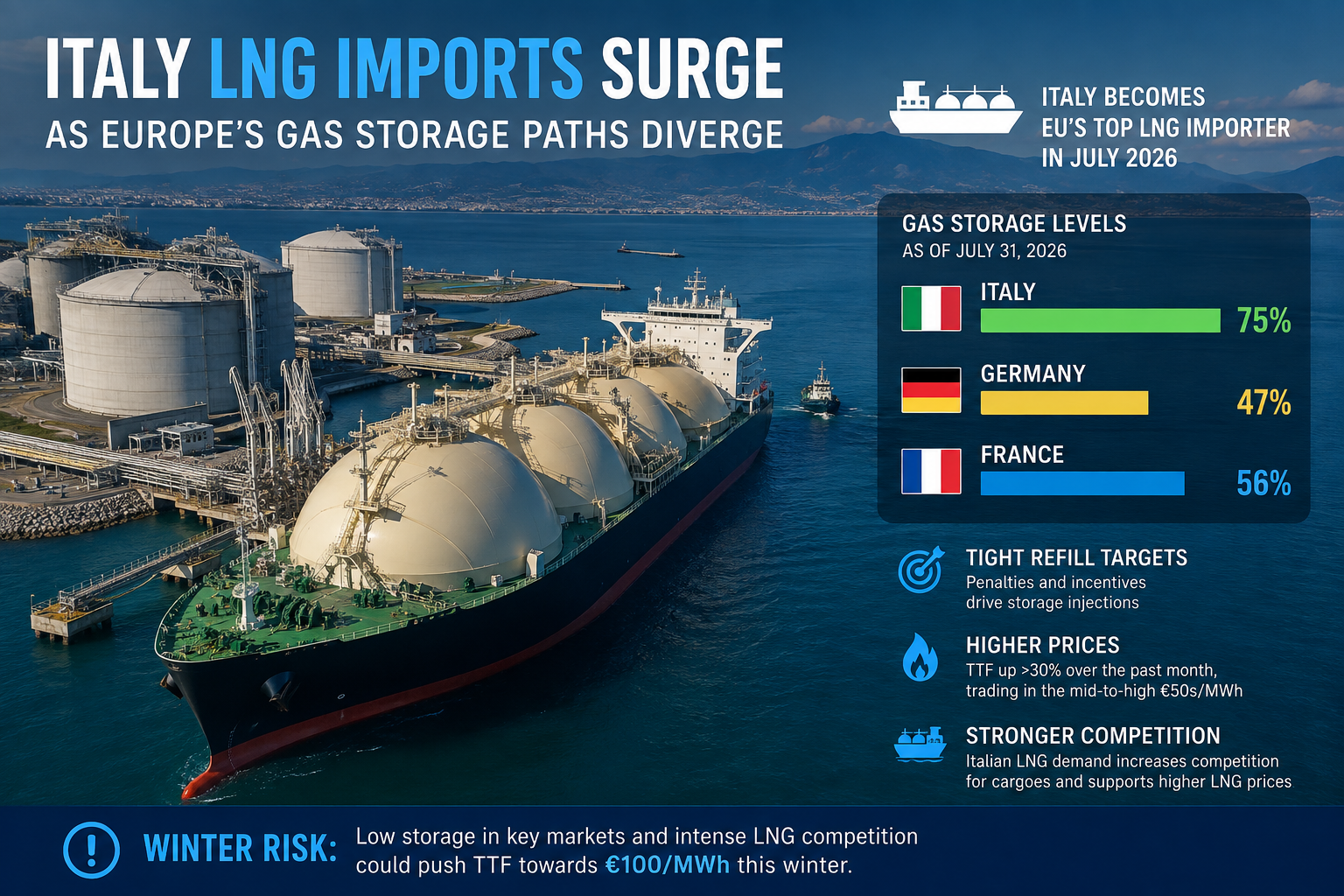
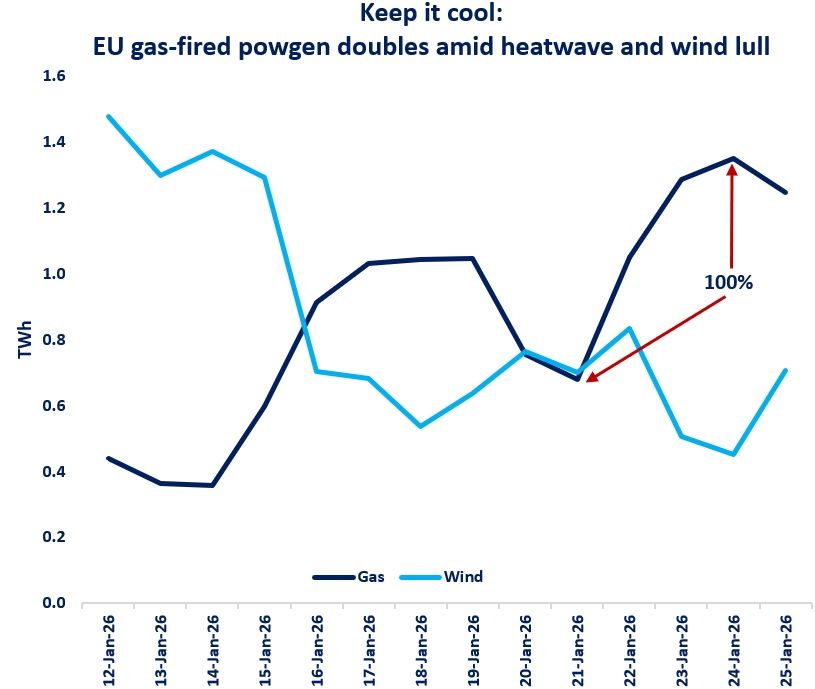
Third, regional asymmetries will persist. Countries with limited non-Russian pipeline access, or with specific industrial exposure, may rely more heavily on LNG and cross-border capacity to manage winter risk. That keeps a premium on storage strategy, interconnector availability and hub-to-hub price convergence—factors that can drive spreads even if aggregate EU demand continues to trend lower.
The policy raises the hurdle for Russian gas in Europe and aligns regulation with post-2022 market reality, but effectiveness will hinge on closing transshipment and contract-design gaps.
Traders, utilities and policymakers should plan for tighter compliance around origin tracking, while maintaining optionality through diversified LNG supply, flexible shipping, and storage optimization.
If loopholes narrow over time, residual Russian flows could fade faster than currently priced, reinforcing Europe’s shift toward a more diversified, LNG-centric supply mix.
Source: Aura Sabadus, Atlantic Council