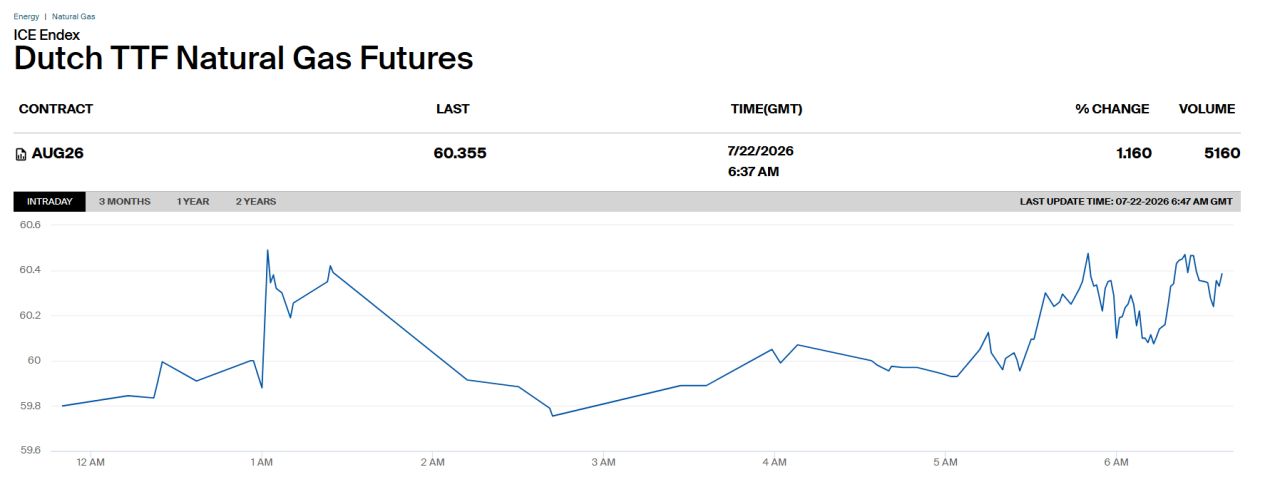
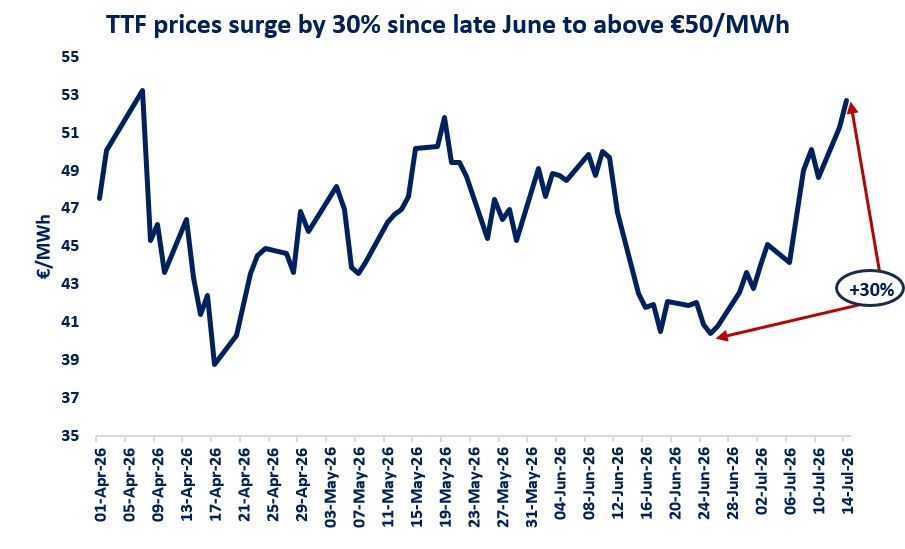
Asian and European gas prices dropped by near 40% since the start of the year and now trading well-below their last year’s levels. is structural market easing underway?
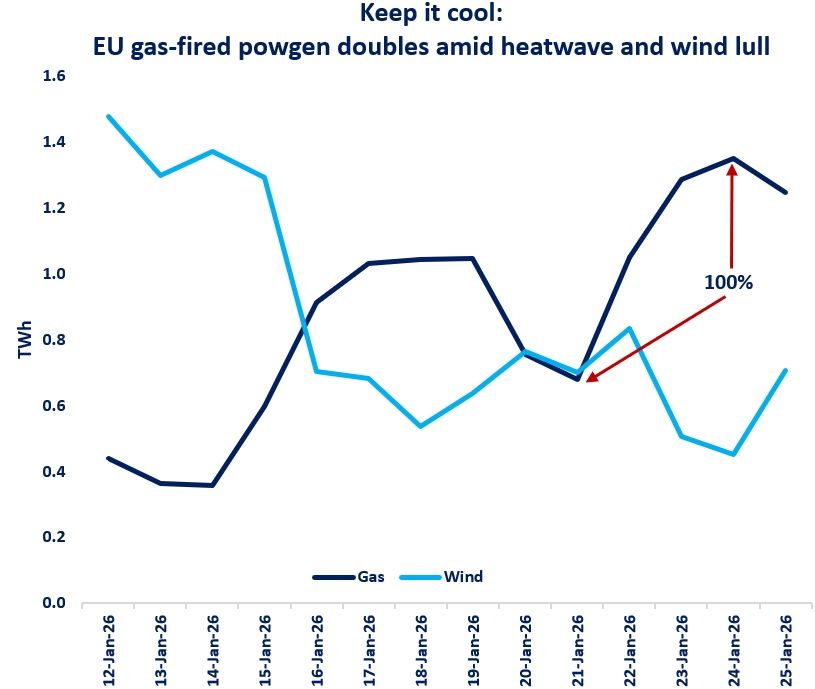
The Feb24-Feb25 period was characterised by tightening market fundamentals: LNG supply growth remained weak, while global gas demand was stronger than expected, partly due to adverse weather effects (including slow wind speeds) and partly driven by better marcoeconomic fundamentals.
Asian and European gas prices traded 30% and 40% above their last year’s levels in H1 2025.
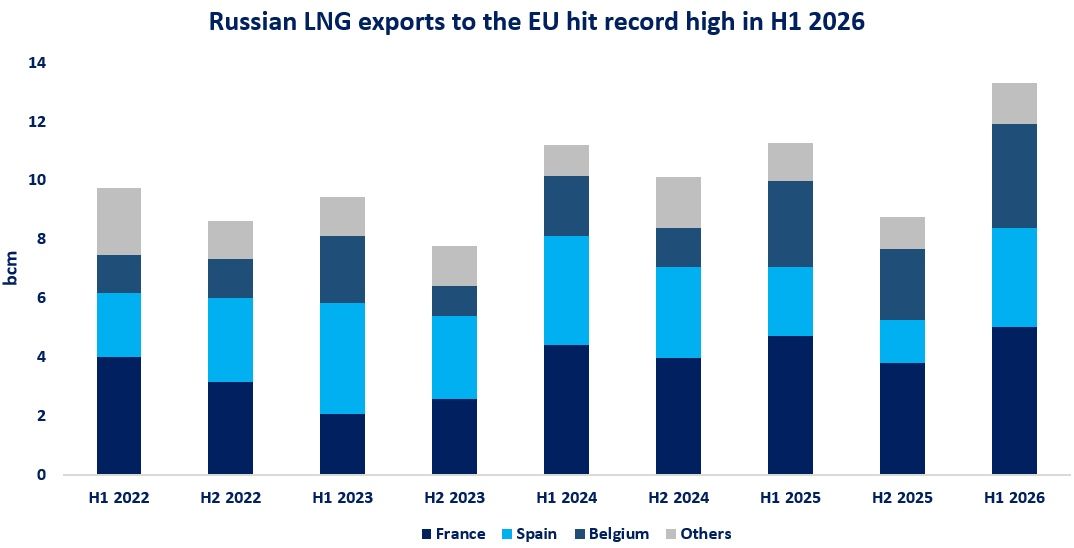
While LNG supply growth strengthened, this was partly offset by lower Russian piped gas deliveries to the European Union.
In addition, higher storage injections further tightened the summer market, while geopolitical tensions (Middle East crisis) fuelled more short-term price volatility.
The break in market trends started to unfold in Q3 2025, with gas prices falling below last year’s levels.
There are two key factors behind this trend:
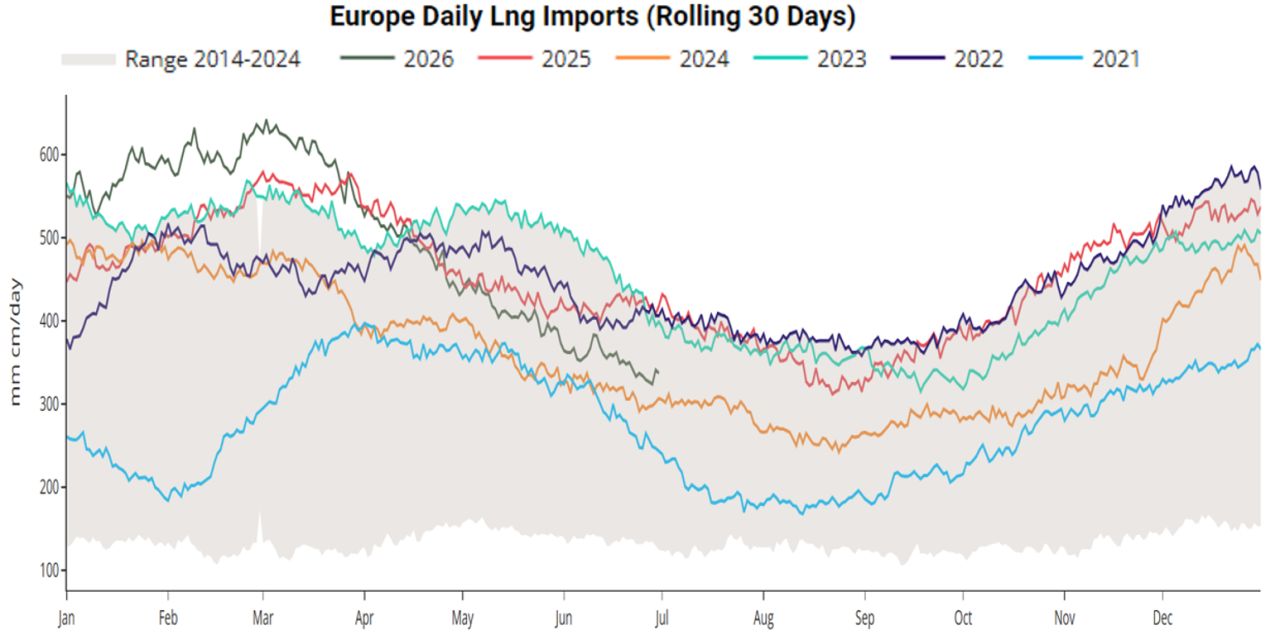
(1) Improving LNG supply availability: global LNG production grew by a staggering 9% yoy since July, largely driven by the US and Canada;
(2) Persistently weak Asian demand: the region’s gas demand growth turned negative in Q1-3 2025, partly due to weaker macroeconomics.
As the LNG wave continues to unfold, Asian and European gas prices could face more downward pressure…
So are we entering a phase of structural market easing? And at what price level could the market balance out once 300 bcm/of new liquefaction capacity will be added by 2030? What is your view?
Source: Greg MOLNAR