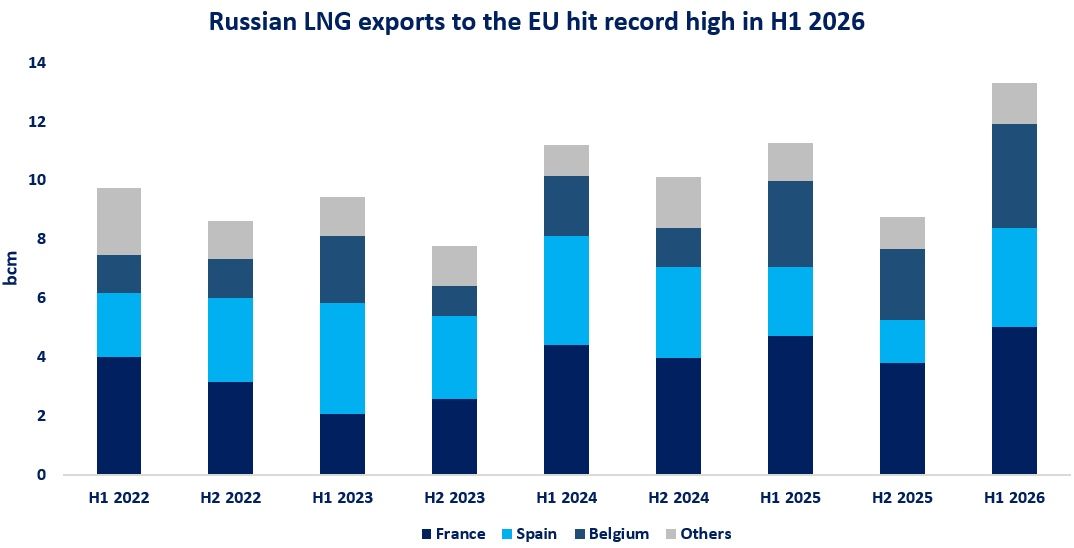
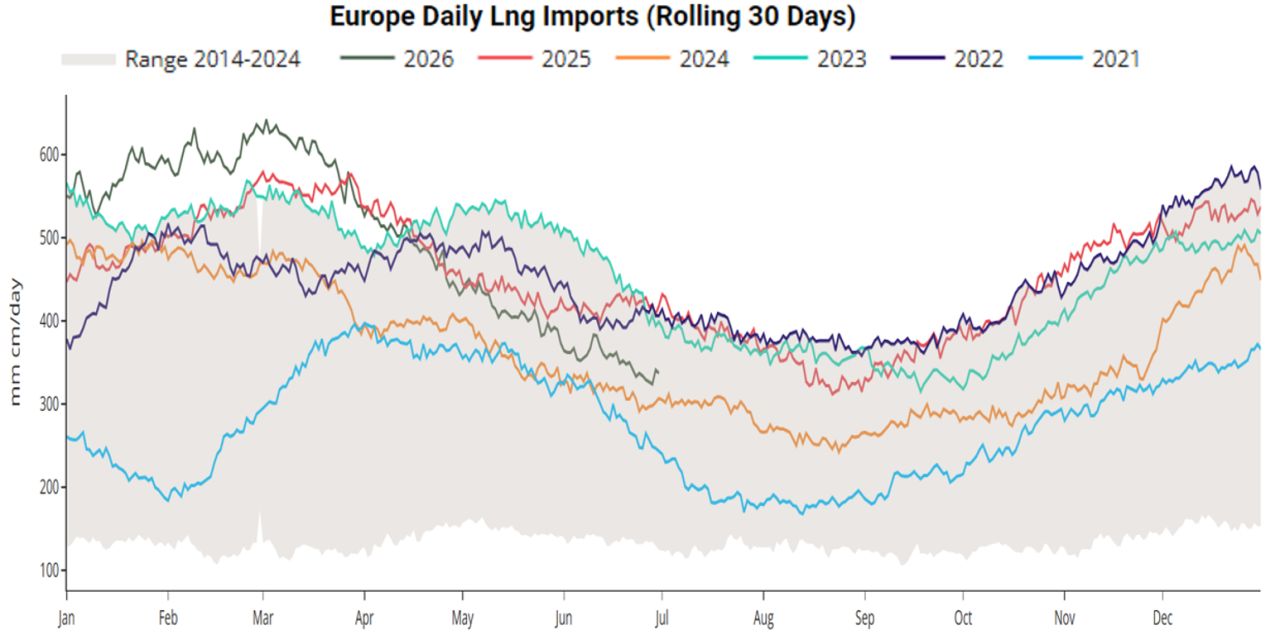
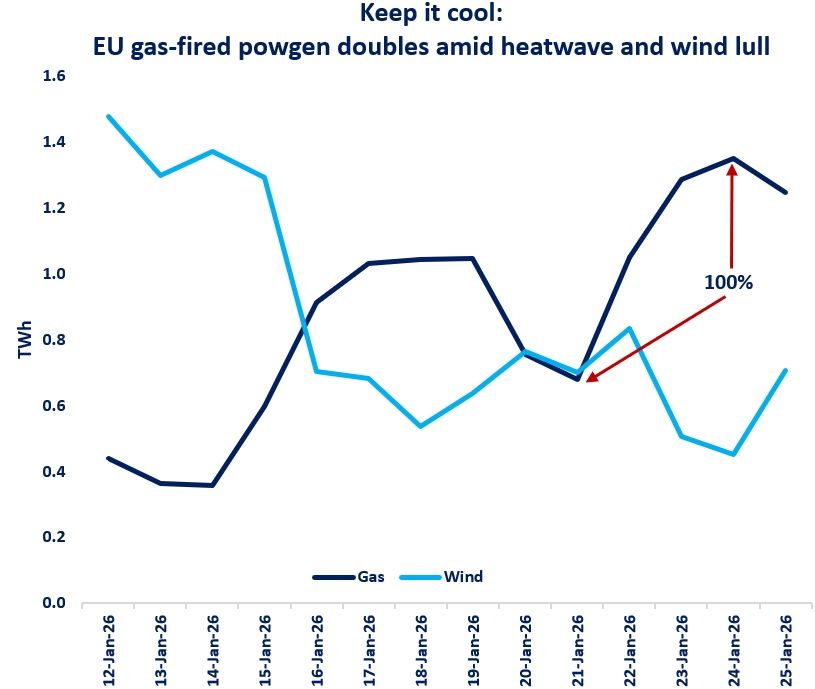
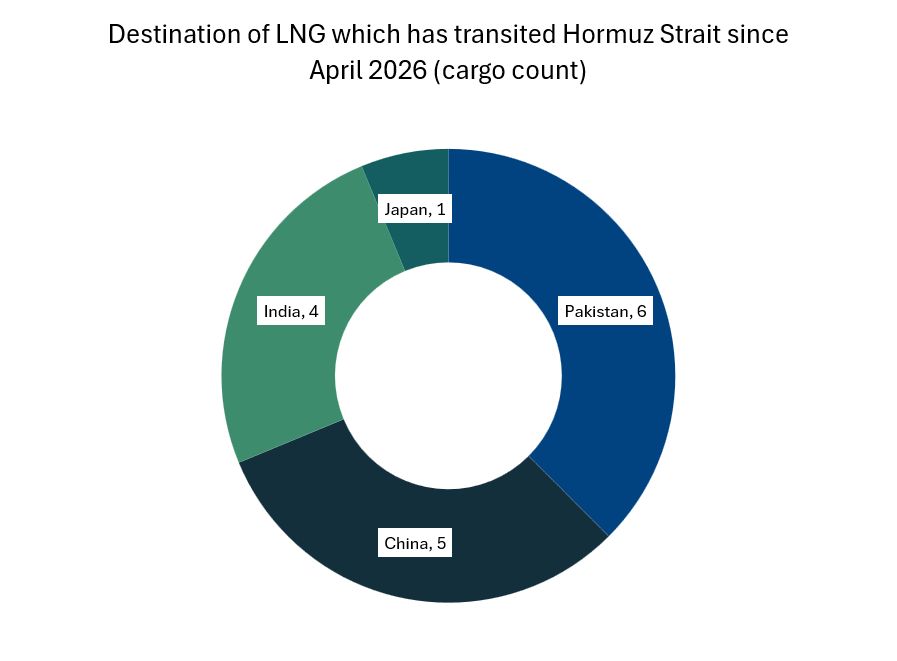
European gas infrastructure market is seeing renewed investor interest as volatility recedes and LNG plays a bigger role in the continent’s supply mix.
Yet beneath this return to normality lies a more complex picture: valuations are increasingly influenced by a new set of geopolitical and policy uncertainties. As Francesco Sassi and Giovanni Bettinelli note in their recent commentary, understanding these risks is becoming essential for anyone assessing the long-term outlook for gas assets in Europe.
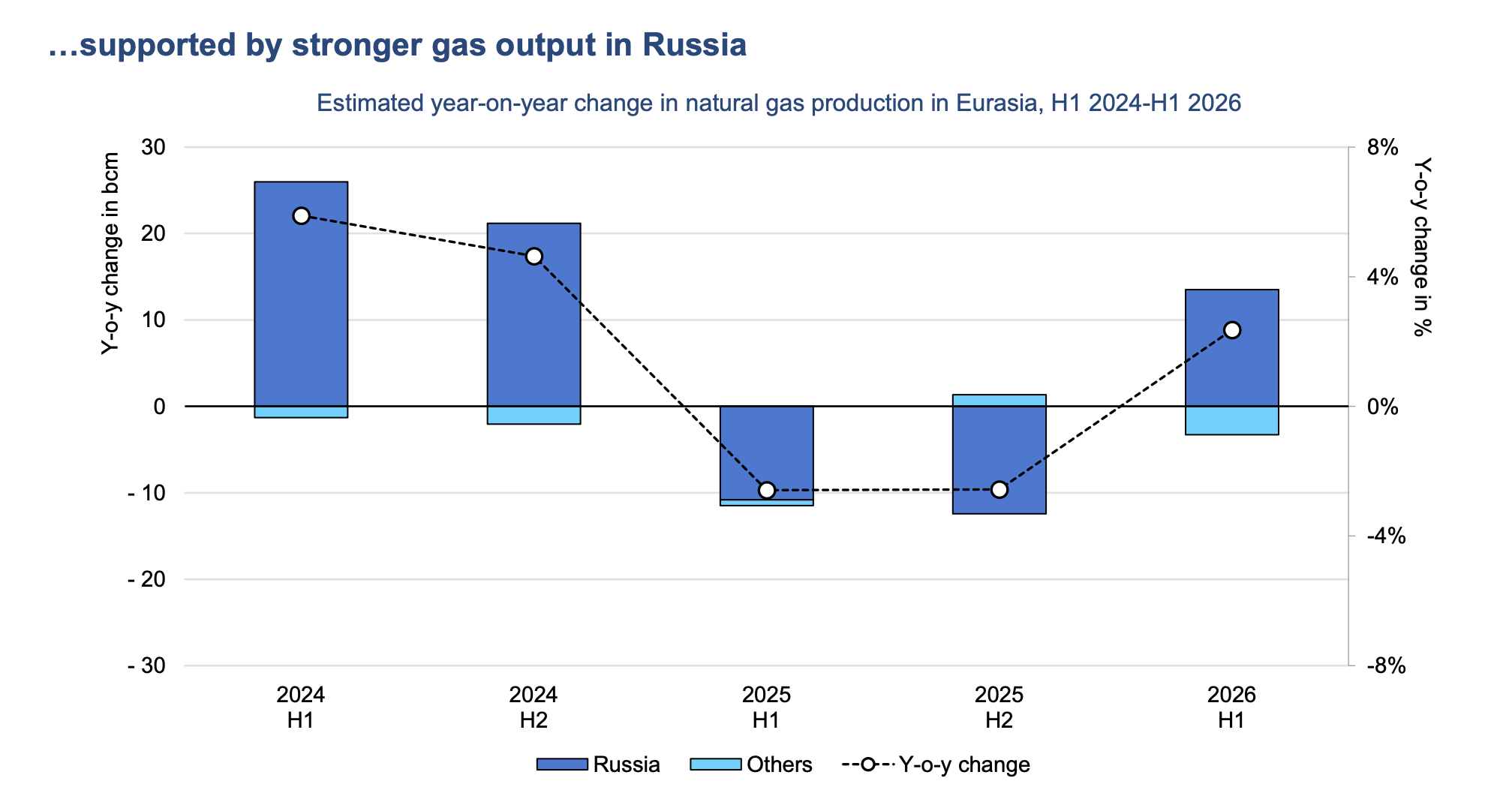
“There are two key sources of geopolitical uncertainty that need to be considered by investors when assessing the value of European gas infrastructure: the future of Russian pipeline exports to Europe, and the future evolution of EU energy policy.”
Key takeaways:
M&A interest is returning as the post-crisis environment stabilises and Europe leans more heavily on LNG.
Infrastructure valuations now reflect new flow patterns and the heightened importance of flexible access to hubs and import capacity.
Risk 1: Even a partial or delayed phase-out of Russian pipeline supply could quickly reshape utilisation rates and asset values.
Risk 2: A potential softening of EU decarbonisation policy — driven by politics, trade pressures and lower fossil prices — could materially alter long-term scenarios.
For investors, both factors introduce significant upside and downside risks that must be integrated into acquisition strategies and asset management plans.
The analysis underscores how the European gas infrastructure story remains fluid. Geopolitics, LNG market shifts and the evolution of EU policy will continue to shape valuations — making scenario planning critical for investors across the European gas value chain.
We use cookies on our website to give you the most relevant experience by remembering your preferences and repeat visits. By clicking “Accept”, you consent to the use of ALL the cookies.
This website uses cookies to improve your experience while you navigate through the website. Out of these, the cookies that are categorized as necessary are stored on your browser as they are essential for the working of basic functionalities of the website. We also use third-party cookies that help us analyze and understand how you use this website. These cookies will be stored in your browser only with your consent. You also have the option to opt-out of these cookies. But opting out of some of these cookies may affect your browsing experience.
Necessary cookies are absolutely essential for the website to function properly. This category only includes cookies that ensures basic functionalities and security features of the website. These cookies do not store any personal information.
Any cookies that may not be particularly necessary for the website to function and is used specifically to collect user personal data via analytics, ads, other embedded contents are termed as non-necessary cookies. It is mandatory to procure user consent prior to running these cookies on your website.