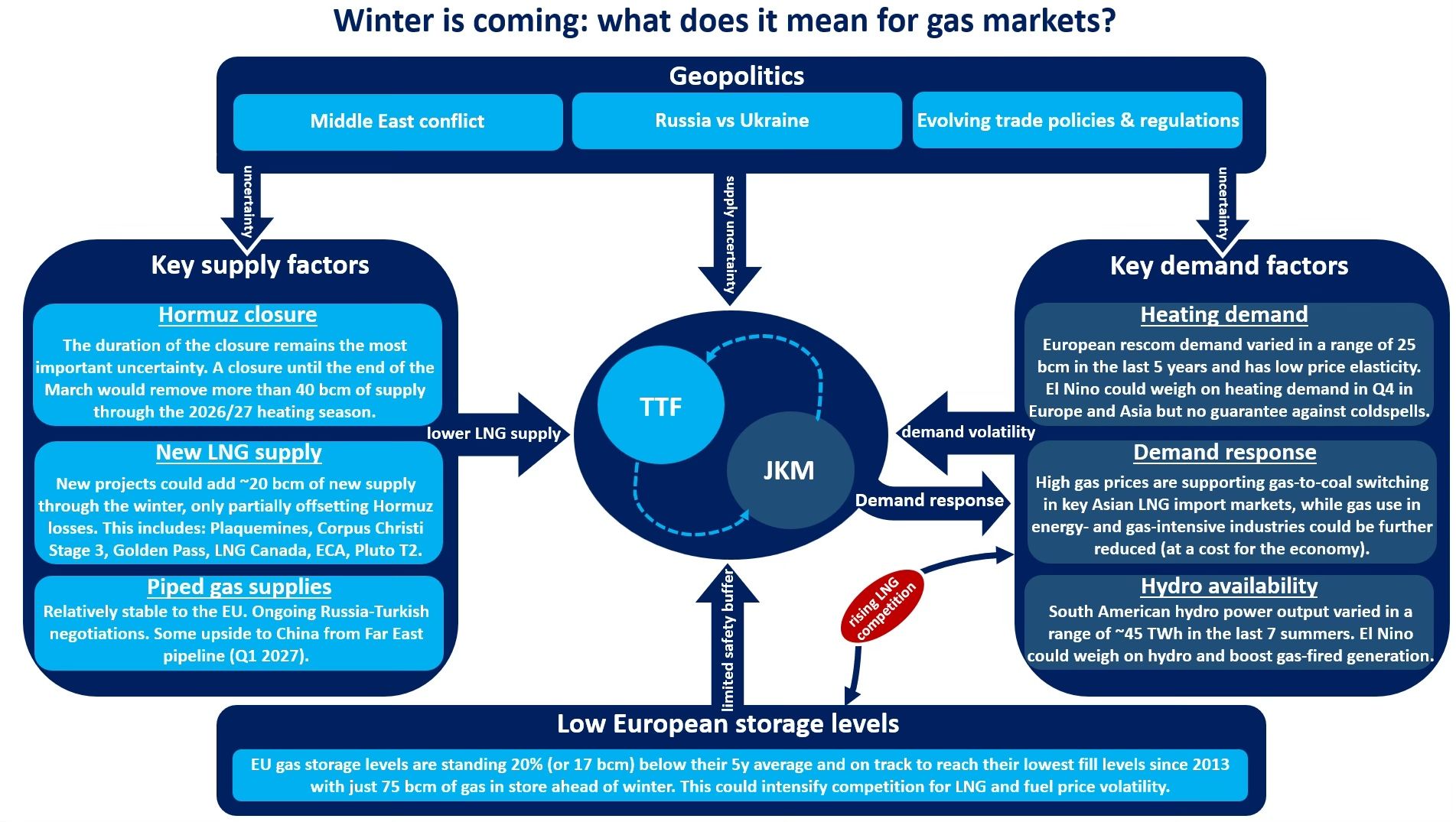
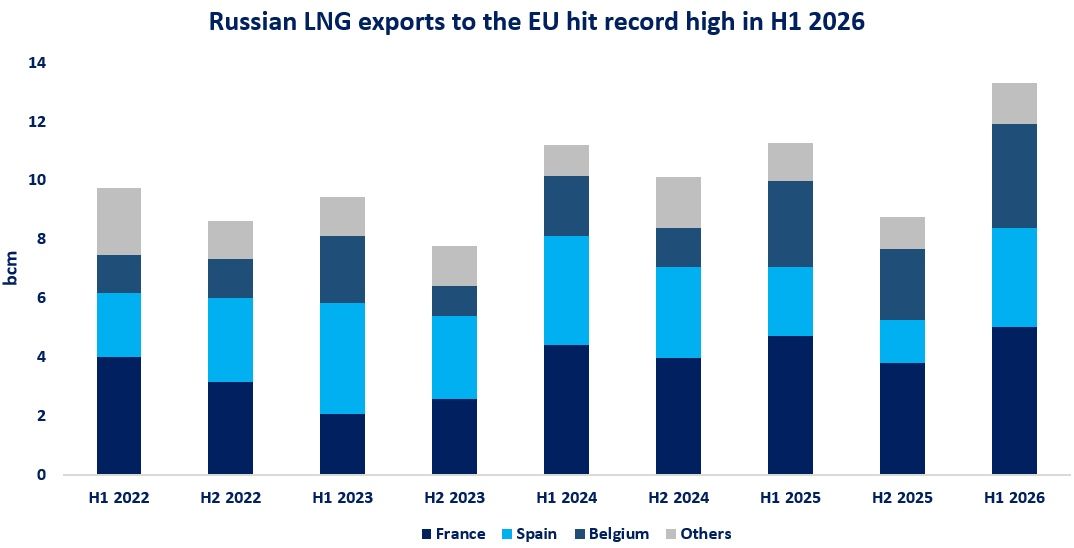
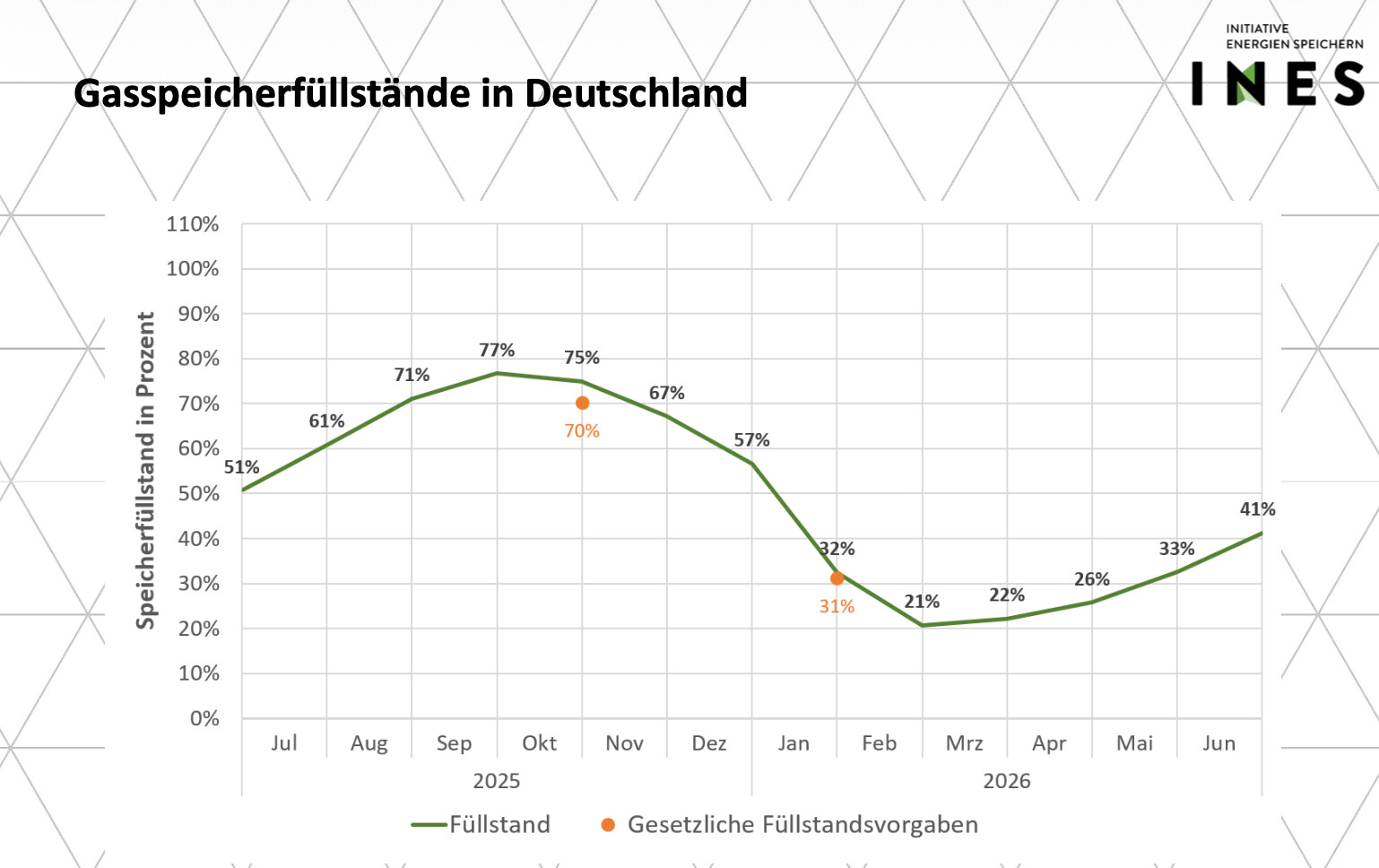
Gas demand destruction is becoming a key factor in balancing the market as high prices push industrial users to reduce consumption.
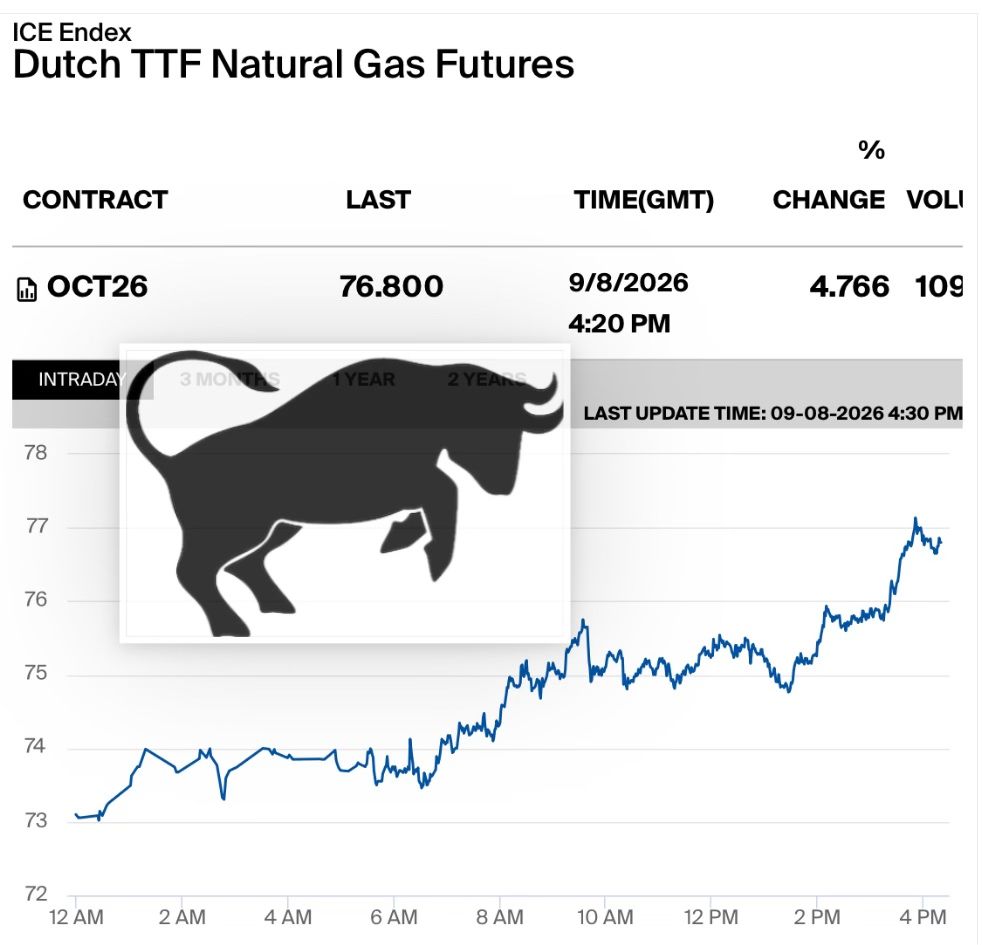
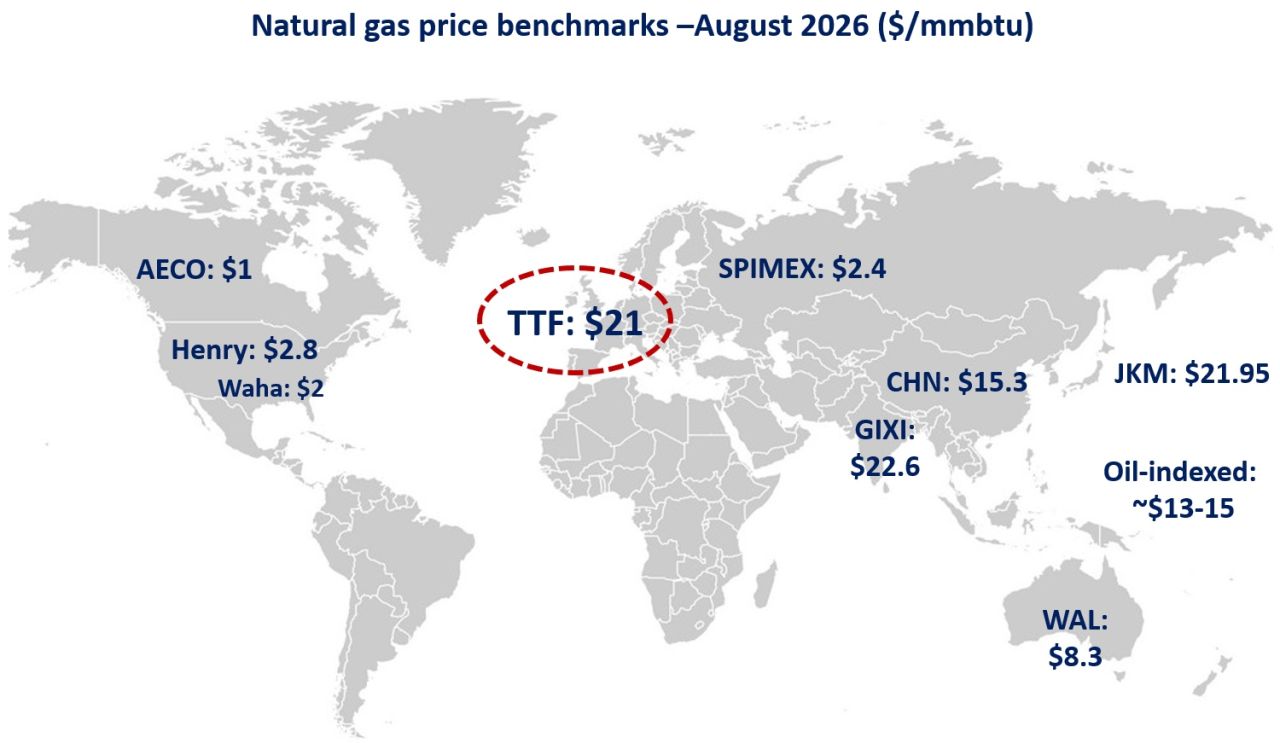
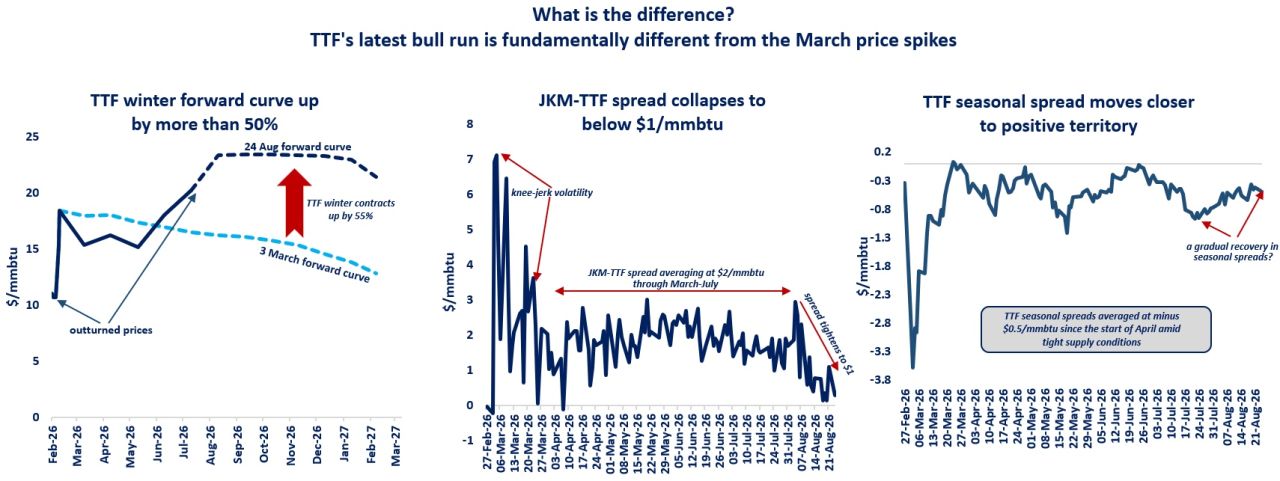
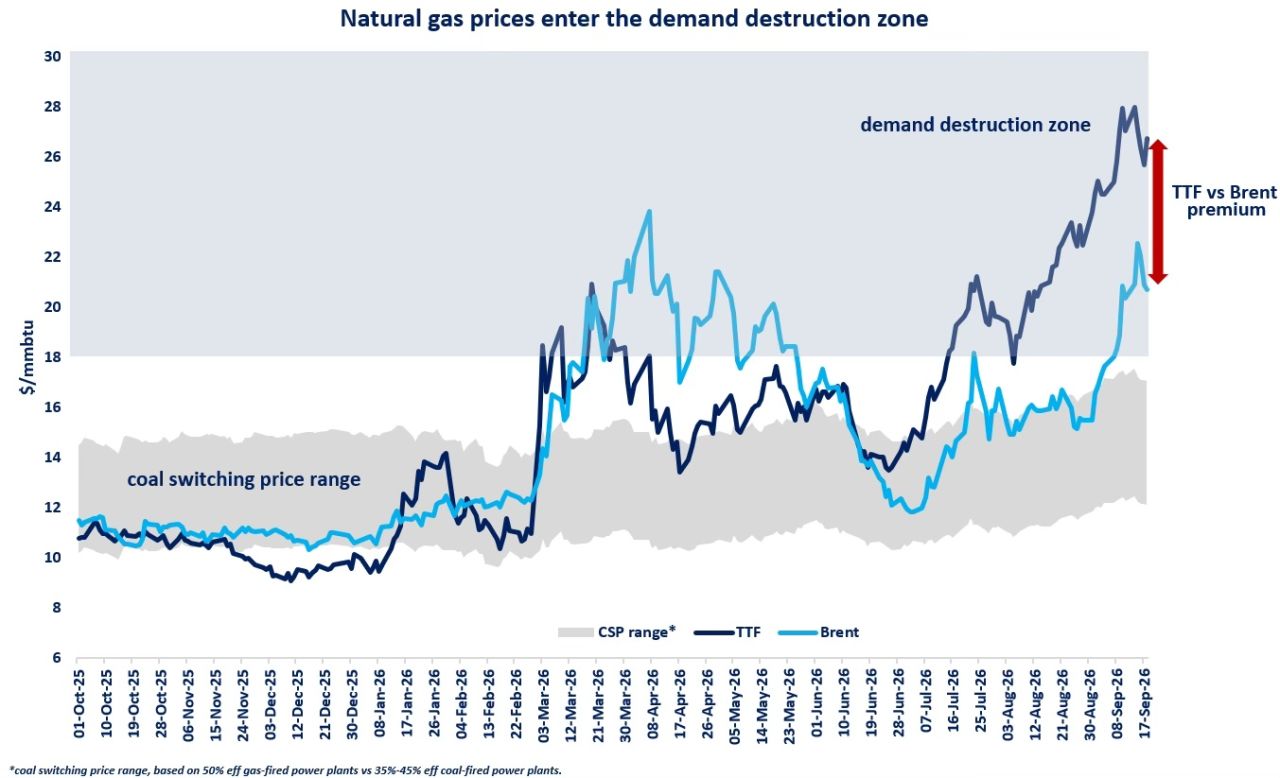
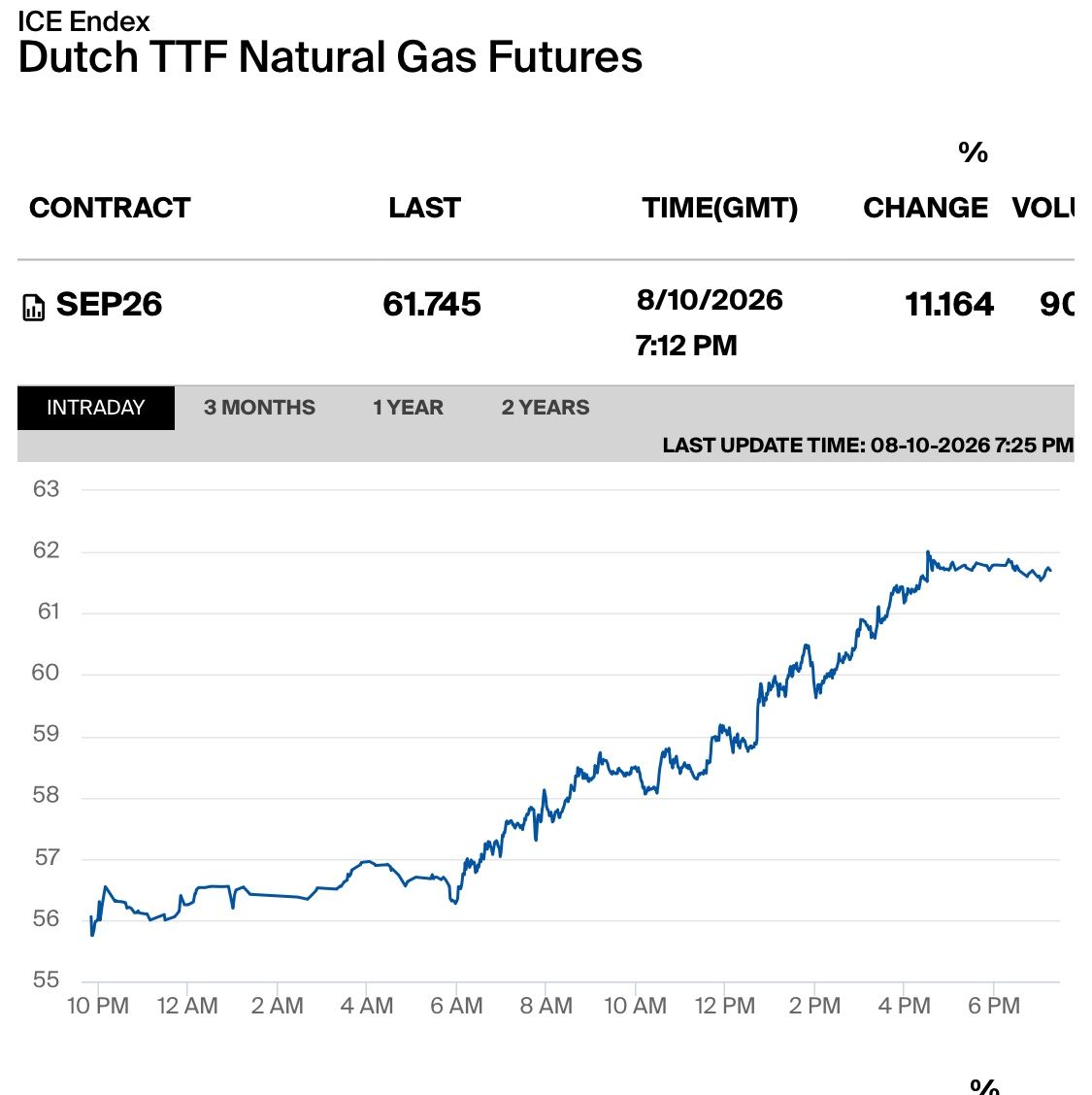
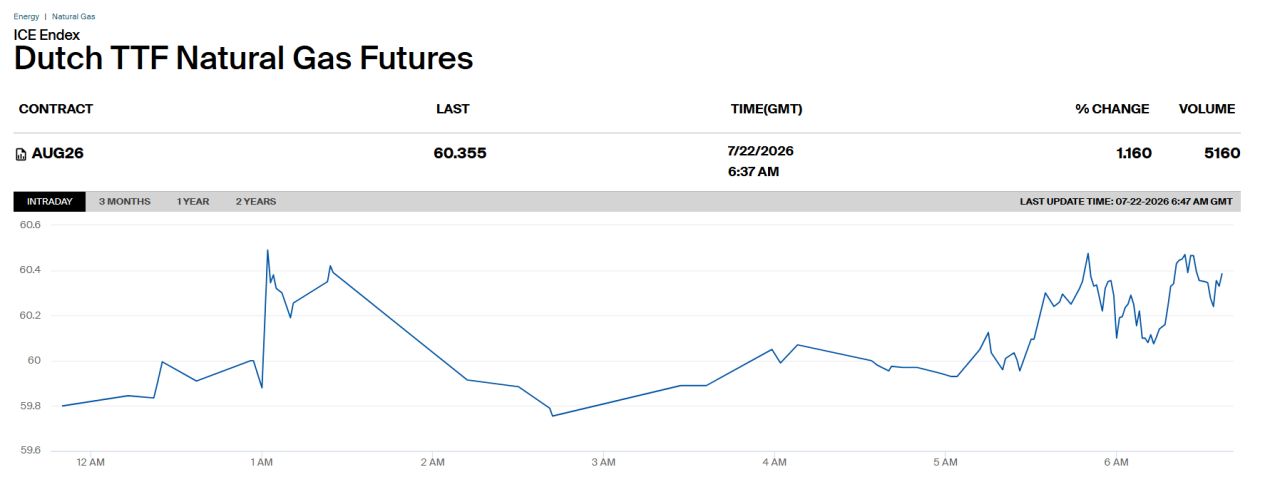
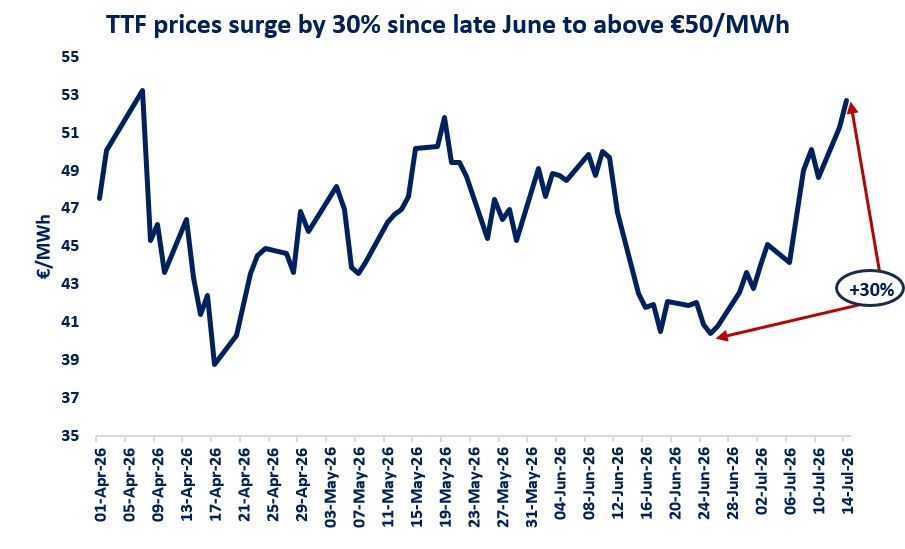
The danger zone: European and Asian gas prices surged by more than 50% since end of July, hovering now in the $25–30/mmbtu range — their highest level since December 2022.
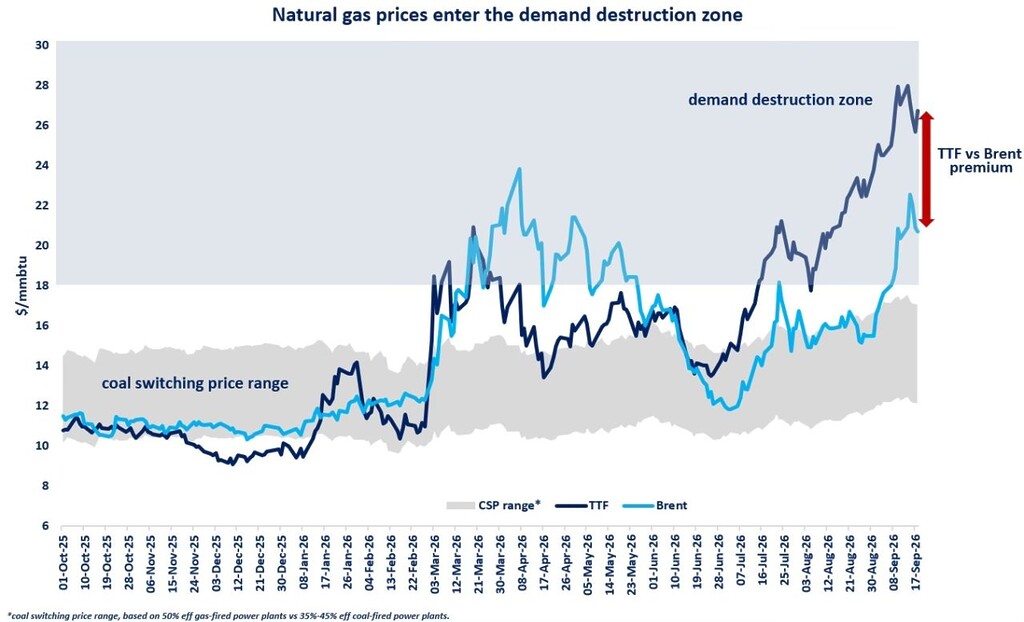
These price levels are now well above the coal-switching price range, indicating that balancing out the market will require more efforts than just to switch to coal in markets where it is possible.
Asian and European natural gas prices are now also trading well above oil prices. The TTF vs Brent premium increased from just around $0.5/mmbtu in June to around $8/mmbtu in recent weeks.
This shows that switching from natural gas to oil products in sectors where it is possible (such as refining) will also not be sufficient to balance out the gas market.
Current price levels indicate that we entered the industrial demand destruction zone: gas- and energy-intensive industries will need to optimise/ration their operating rates as surging gas prices are turning their profit margins into negative territory.
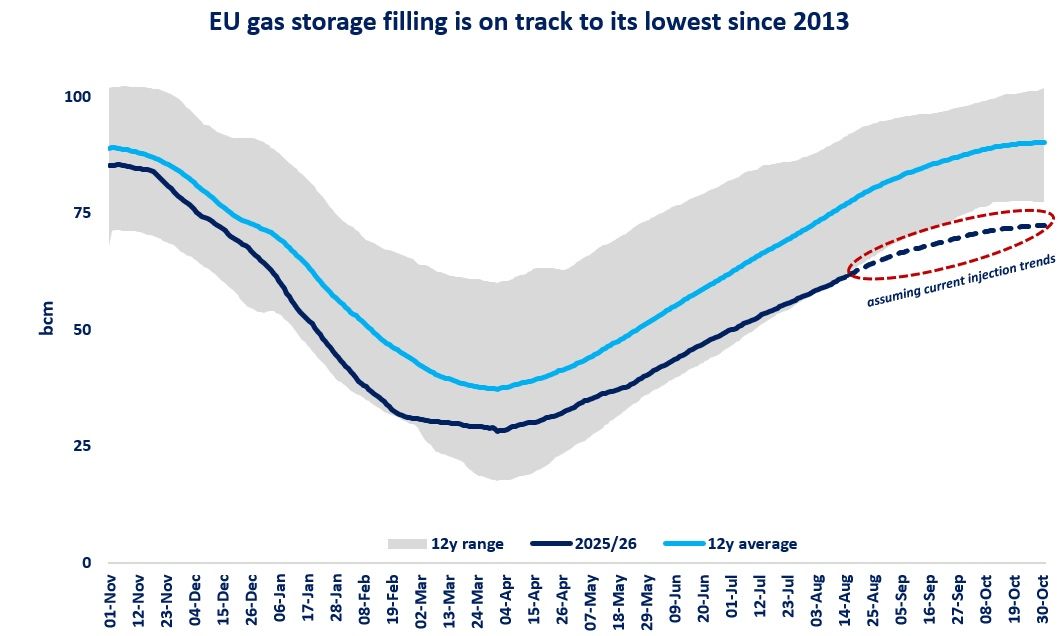
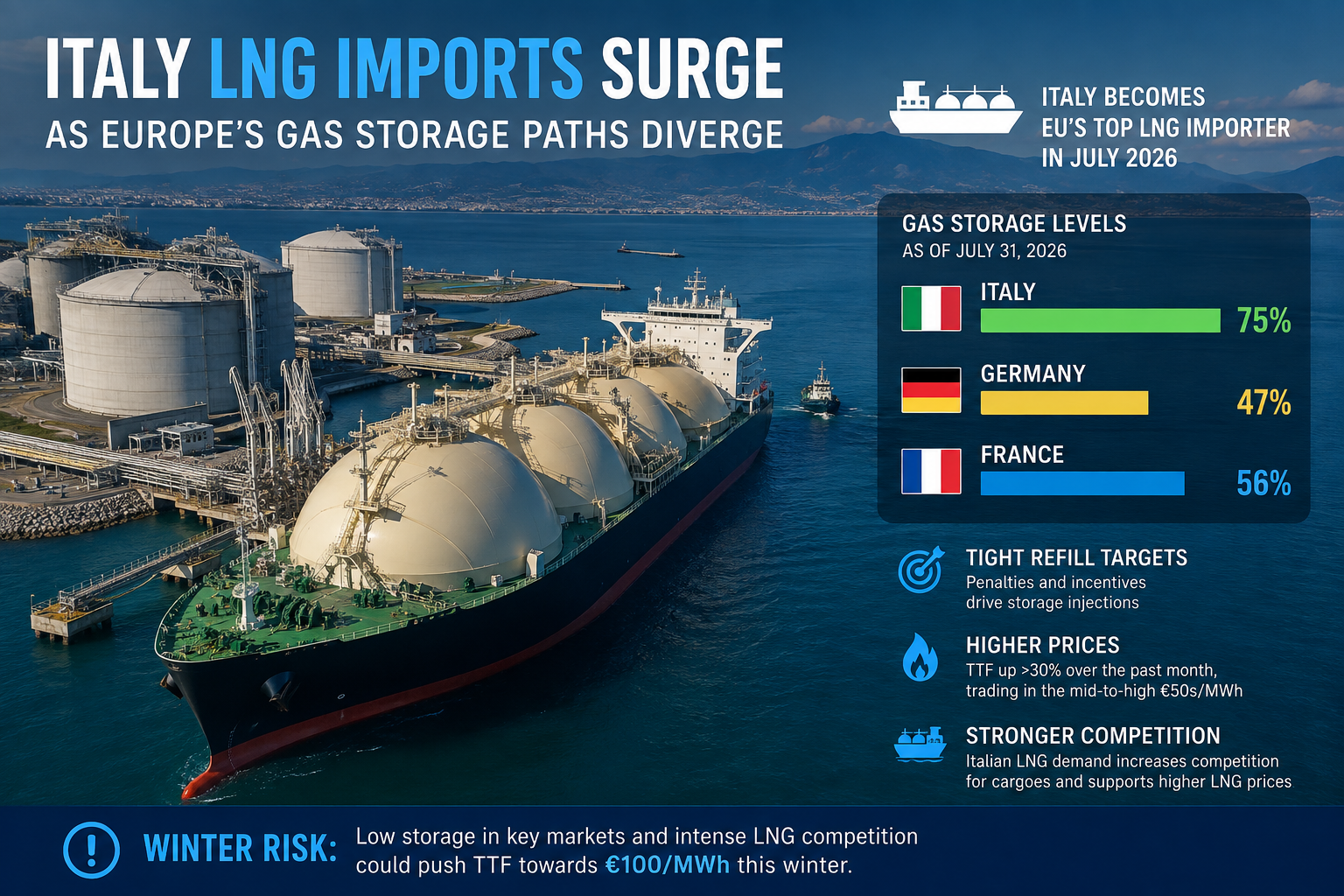
In Europe, preliminary data suggests that industrial gas demand already dropped by more than 5% yoy since May, while in more price-sensitive markets such as India, the decline in industrial gas use is over 10%. With current price levels, demand destruction is set to accelerate as we enter the heating season, which naturally means tighter market conditions.
It seems that, similarly to the 2022/23 crisis, industrial gas demand will be key to balancing out the global gas market. Of course, this comes at an important economic cost, can support inflationary pressures and, through reduced fertiliser production, can negatively impact food supply security.
What is your view? How will the gas market play out? What will be the impact on the economy? Are we in the danger zone?
Source: Greg Molnár (LinkedIn)