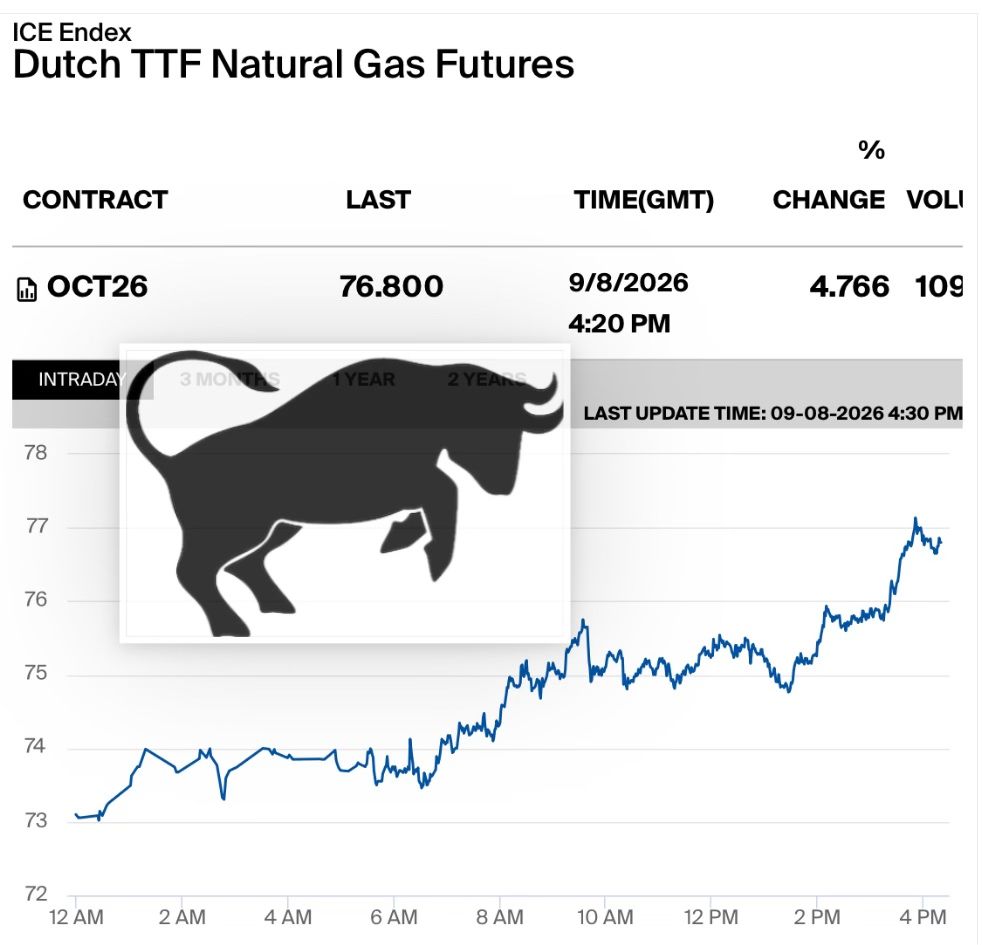
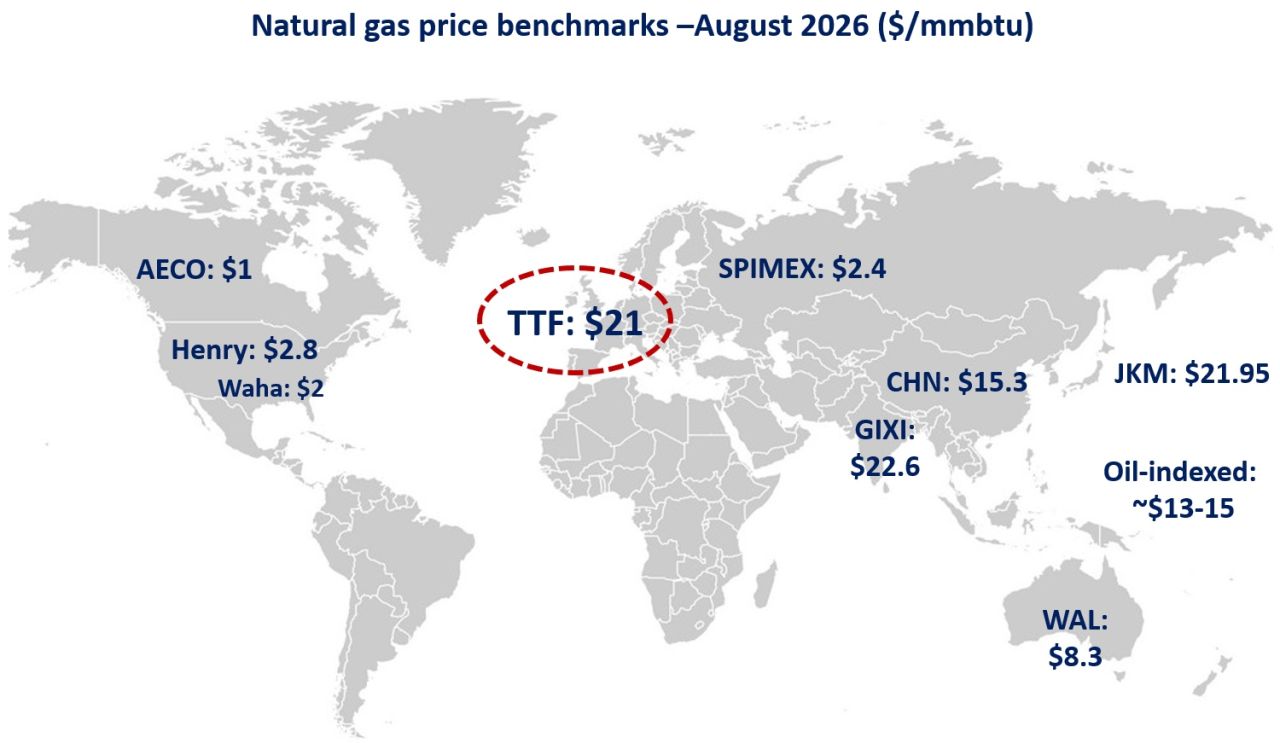
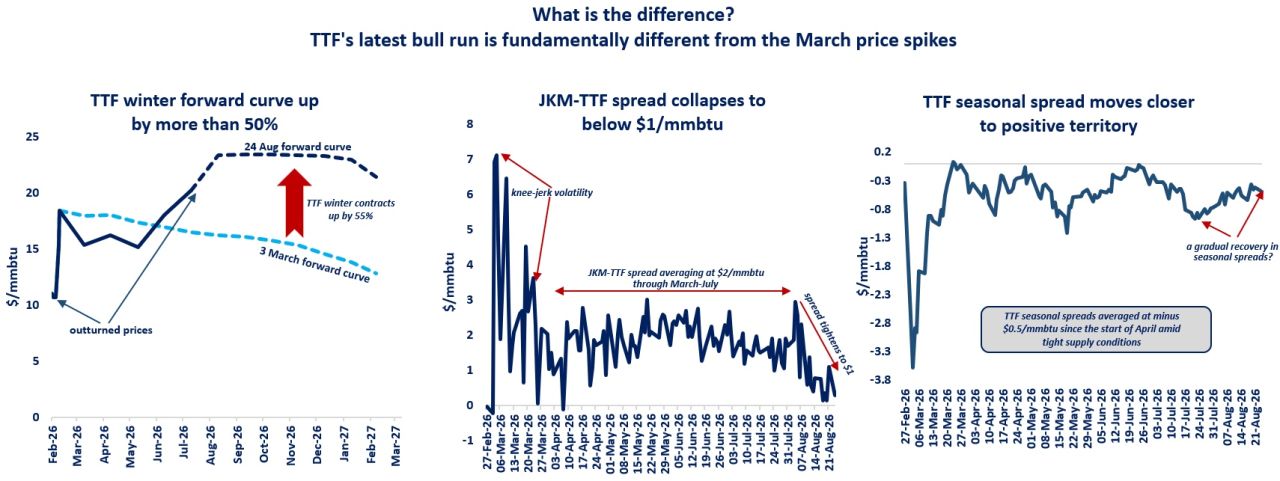
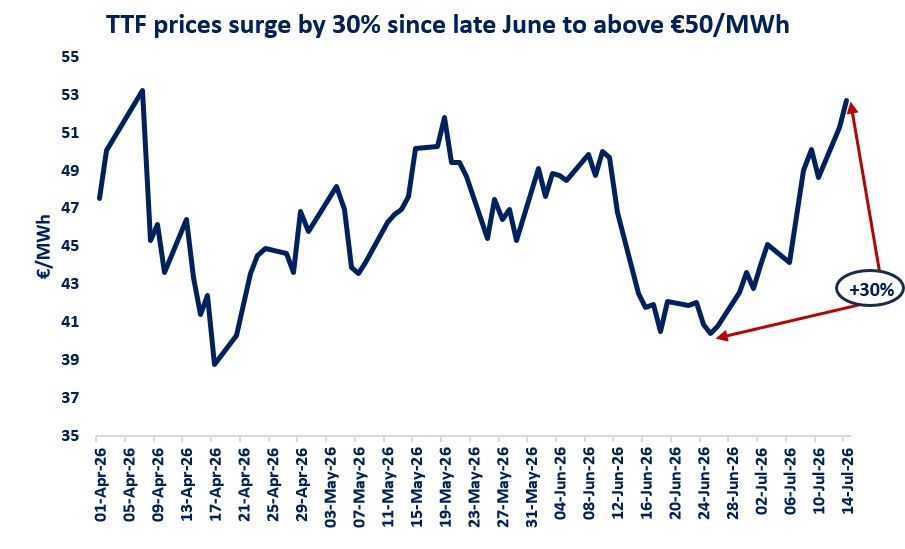
Winter gas markets are heading into the heating season with unprecedented uncertainty, as Hormuz remains largely closed while EU storage levels are at decade lows. What could go wrong?
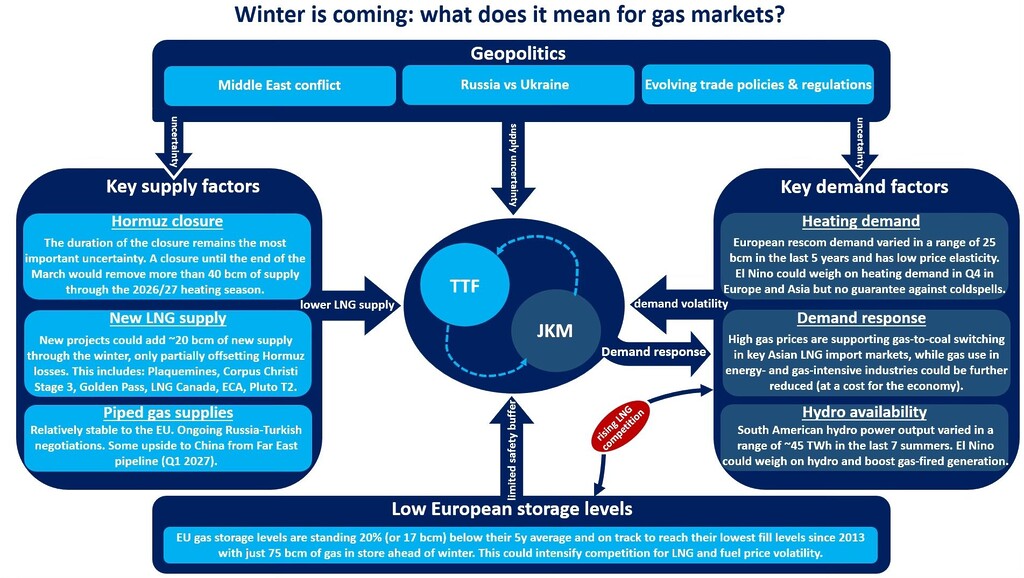
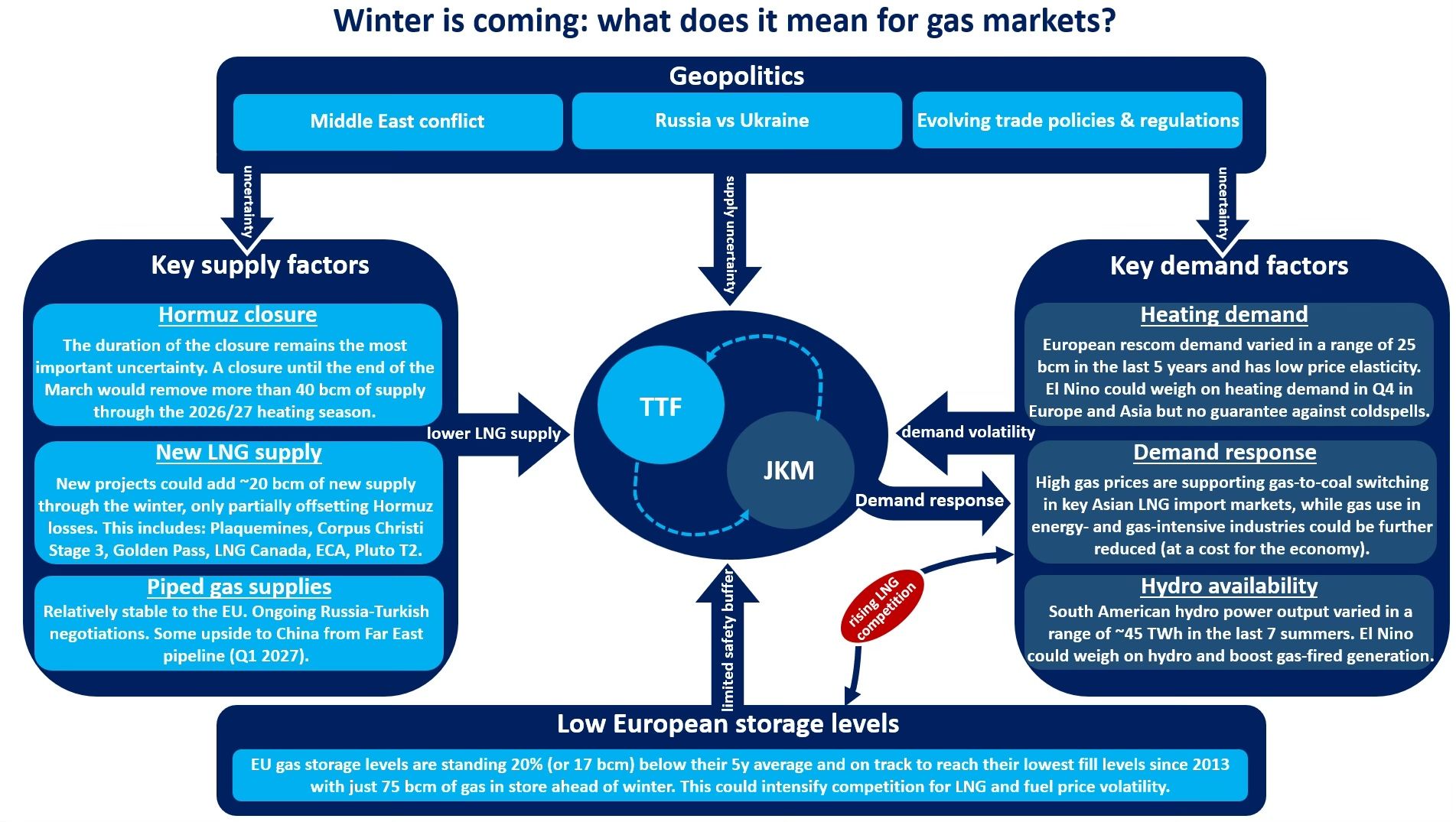
On the supply side, the single most important uncertainty remains the duration of the Hormuz closure. Assuming that the Strait is closed until the end of March, Qatari and Emirati supply would decline by more than 40 bcm through the heating season.
On the bright side, the start- and ramp-up of new LNG liquefaction facilities at least partially offsets this steep decline. This includes, Plaquemines LNG, Corpus Christi Stage 3, Golden Pass, ECA LNG, LNG Canada and Pluto T2. However, new volume additions are somewhat slowing down, with incremental LNG expected at 15-20 bcm.
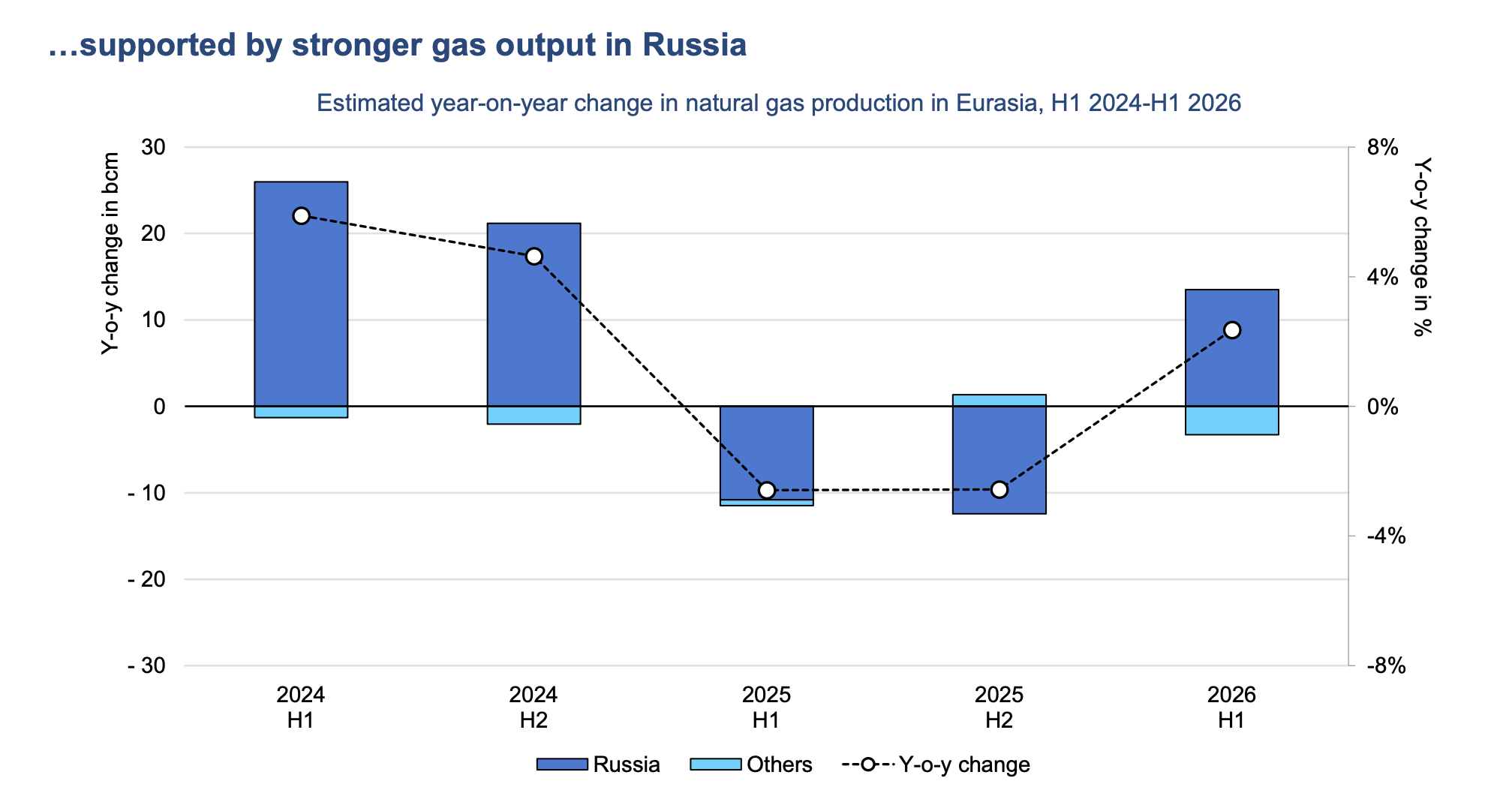
In terms of piped gas deliveries, the outlook is more stable. Flows to the EU are seen to be broadly flattish, although Norway’s deliveries could be somewhat lower due to the Ormen Lange outage (-1 bcm). And negotiations between Russia and Türkiye are still ongoing as the extended long-term contract expires at the end of the year. Russia’s piped gas deliveries to China could marginally increase in Q1 2027, after the start-up of the Far East pipeline.
Overall, global LNG supply could decline by more than 20 bcm this winter if Hormuz remains closed, while piped gas has limited upside flexibility.
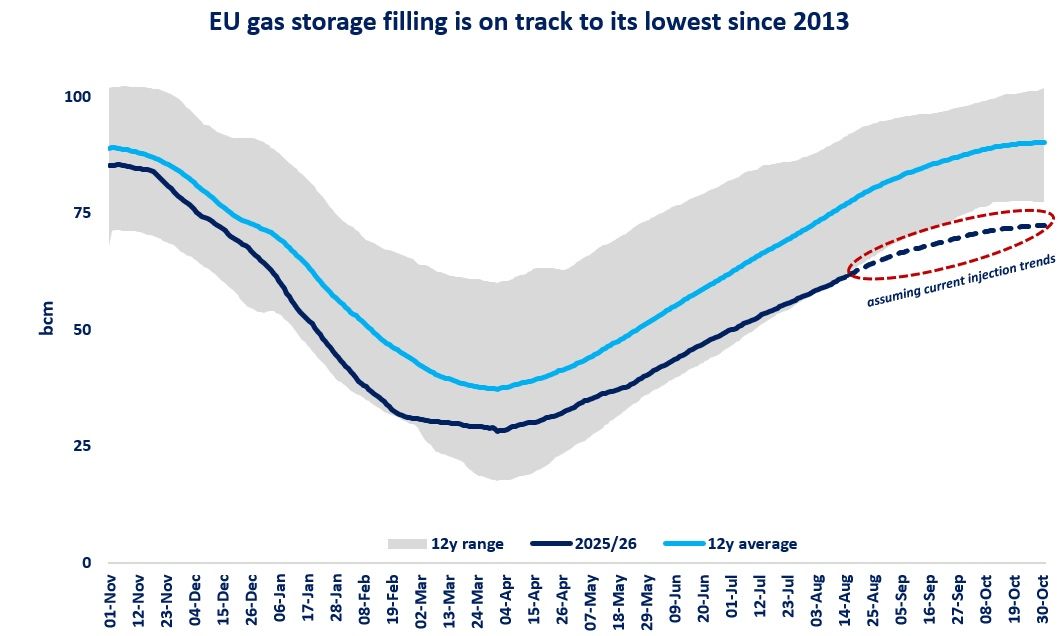
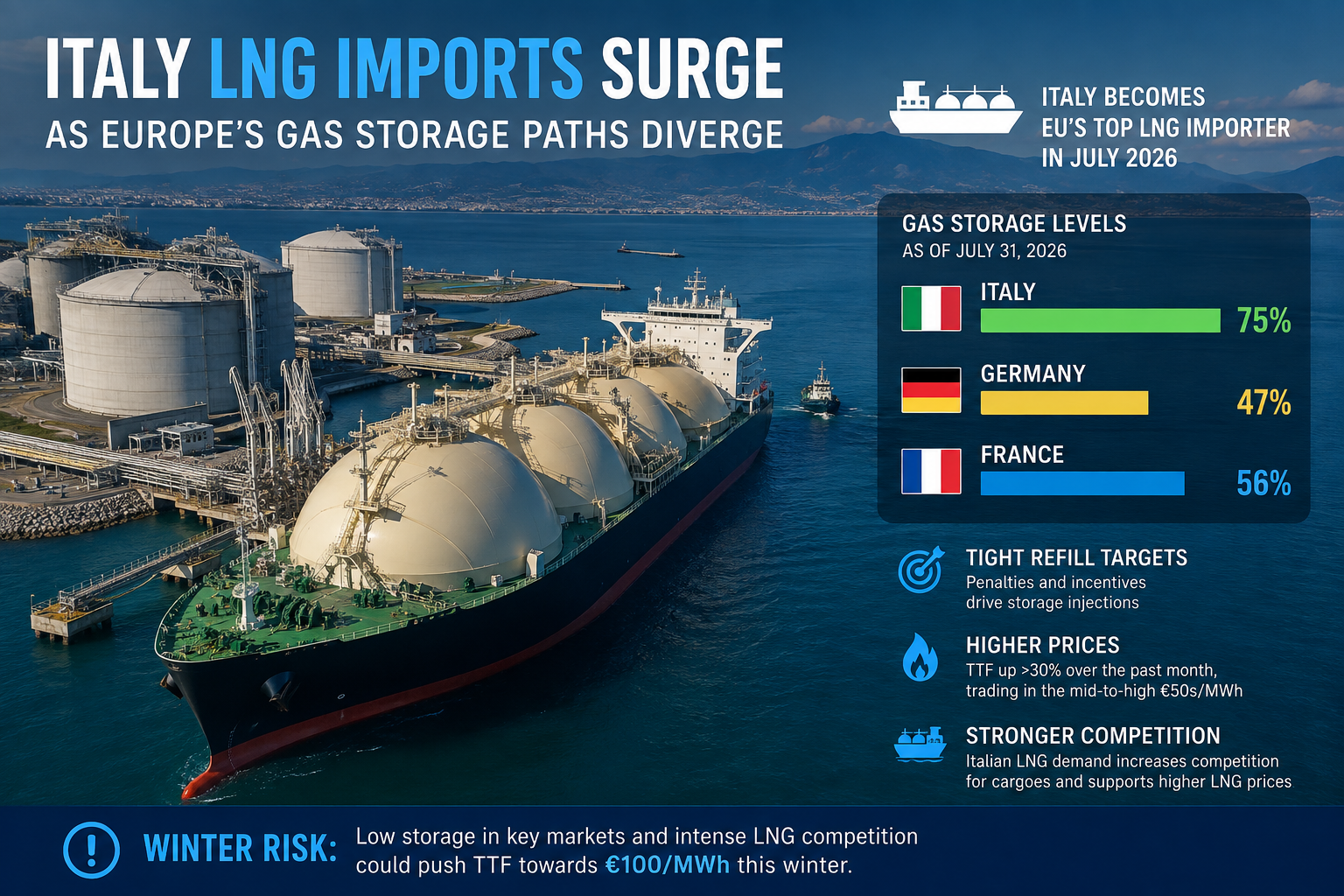
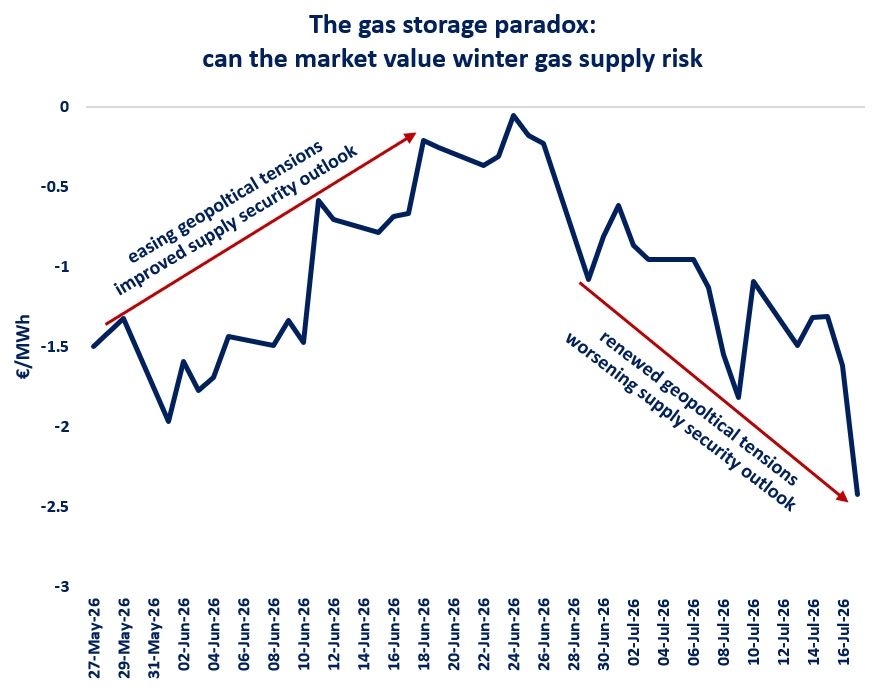
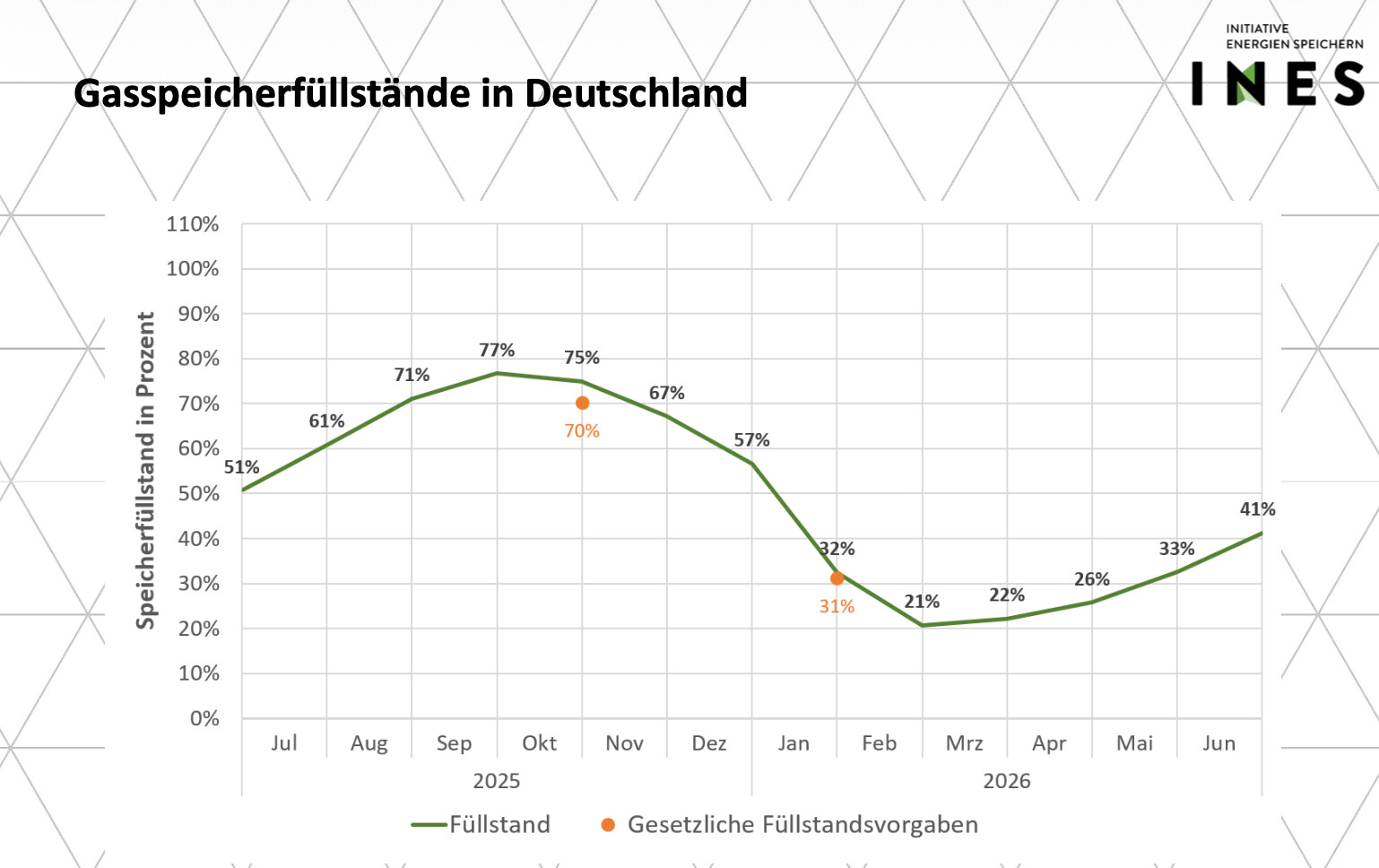
Adding to the tight supply fundamentals, EU storage levels are standing 20% (or almost 17 bcm) below their 5y average and are trending to their lowest fill levels since 2013. This more limited safety buffer could heat up competition for flexible LNG and could fuel winter price volatility.
On the demand side, the picture is even more uncertain. Europe’s rescom demand varied in a range of 25 bcm in the last five years and has very low price elasticity. Winter weather is not easy to predict, even though there are expectations that Q4 2026 could be milder and wetter as El Niño unfolds… but Q1 2027 could be a different story.
A key question this winter will be the demand response, especially from price sensitive Asian markets and the ones with gas-to-coal switching options in the power sector. The trends we have seen over the summer in Japan, Korea and China are likely to continue over the winter, but this alone might not be sufficient to balance out the market. A more painful demand response, through rationed gas use in industry, might needed if the market tightens further.
And last but not least, El Niño could weigh on hydro availability in South America and increase the call on gas-based power generation. This could further intensify the competition for flexible LNG, especially the one from the US, which is perfectly placed to serve both the European and South American markets.
Source: Greg Molnar